

There’s a specific kind of frustration that comes with running an event venue that no productivity guru has really captured: you’re not disorganized. Your calendar is in one place, your contracts are in another, your staff schedule is in a third, your inventory tracked in a spreadsheet, and your invoices live in QuickBooks. Everything is “somewhere.” The problem is that “somewhere” is five different places, and nobody can see the whole picture at once.
This is the norm in venue operations. And it’s costing venues more than they realize.
Why Event Venues Use Multiple Tools
It rarely starts as chaos. It starts as solving a problem. You needed to take online bookings, so you added a booking plugin. Then you needed contracts, so you added DocuSign. Then your accountant said you needed QuickBooks. Then a client asked for online ticketing, so you added Eventbrite.
Each tool made sense individually. Together, they’ve created a system where:
- A booking in your calendar doesn’t automatically notify your team
- A signed contract in DocuSign doesn’t automatically update your availability
- A payment in QuickBooks has no connection to the event it was for
- When something falls through the cracks, you’re not sure which tool missed it
This isn’t a technology failure. It’s an integration failure, and the venue operator is the one manually bridging the gaps.
The Hidden Cost of Scattered Event Management Software: Time and Errors
The visible cost of scattered tools is time. The invisible cost is errors.
Time first: most venue operators spend 8-12 hours a week on administrative coordination, entering the same booking details into multiple systems, reconciling who’s scheduled for what. That’s a full working day every week.
Now the errors: double-bookings that could have been prevented if availability was centralized, A/V equipment promised to two events on the same day because nobody had a cross-event inventory view. A client invoiced the wrong amount because that contract and the billing system weren’t connected. Each of these errors is recoverable, but each one costs you reputation, time, and sometimes money to fix.
Why the Industry Has Been Slow to Consolidate
The enterprise players (Momentus, Cvent) mitigated this problem for large convention centers and hotel chains, but their platforms cost $20,000 - $100,000 per year, require months of implementation, and are build for teams of 20+, not teams of five.
The SMB tools (Planning Pod, Honeybook) are affordable but were built for event planners, not venue operators. The distinction matters: a venue owner manages a portfolio of simultaneous events across shared physical infrastructure, while a planner organizes event-by-event. The operational logic is completely different.
So the mid-market venue (the independent conference center, the multi-purpose creative space, the community venue that hosts 15 events a month) has been stuck between tools that are too big and tools that aren’t quite right.
What All-In-One Event Venue Software Actually Changes
When the calendar, workforce scheduling, inventory, ticketing, and billing all live in one place, a few things happen immediately:
- Conflicts surface before they become crises. The system sees that your projector is booked for a Friday conference and your Friday reception simultaneously. You see it on Monday, not on Friday morning.
- Your data becomes useful. When everything is connected, you can ask questions like: which event types generate the most revenue per hour? Which clients rebook? Which rooms sit idle on Thursdays? Disconnected tools can’t answer these questions.
- Your team has a single source of truth. Everyone (your operations coordinator, setup crew, and admin) sees the same picture. The version control problem disappears.
The Non-Traditional Venue Case
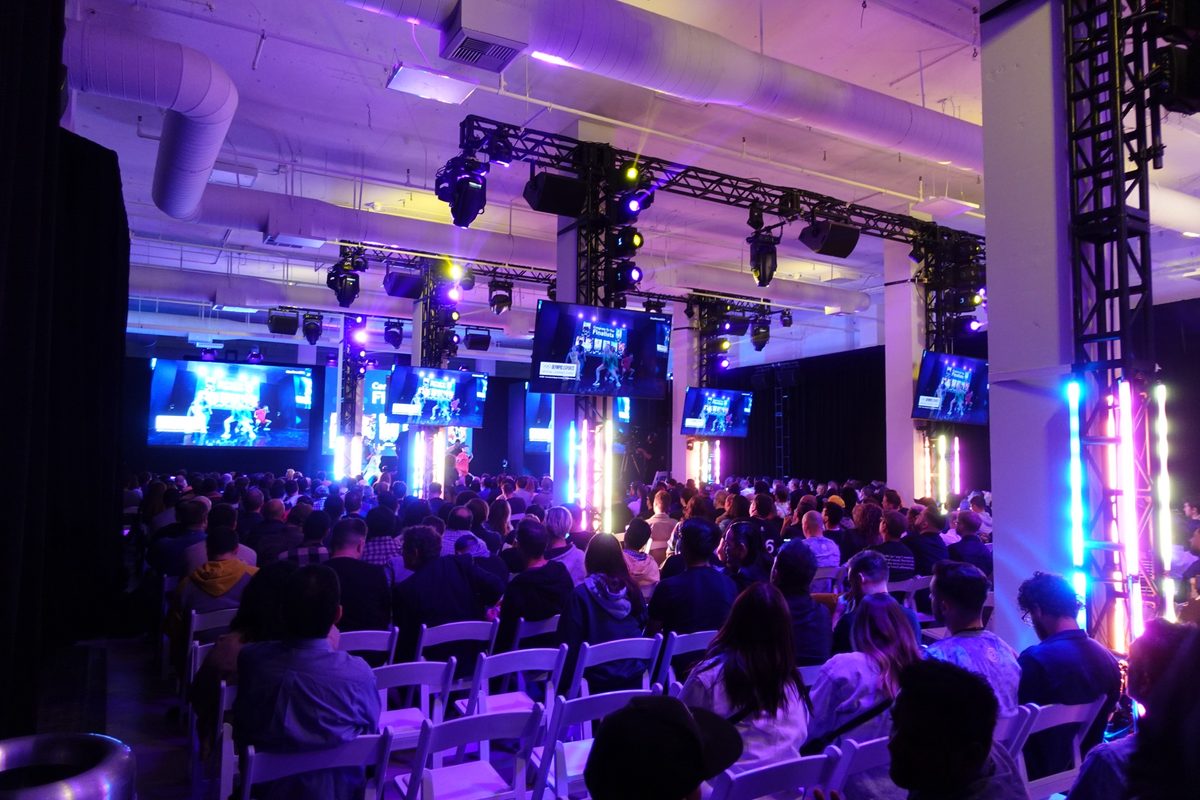
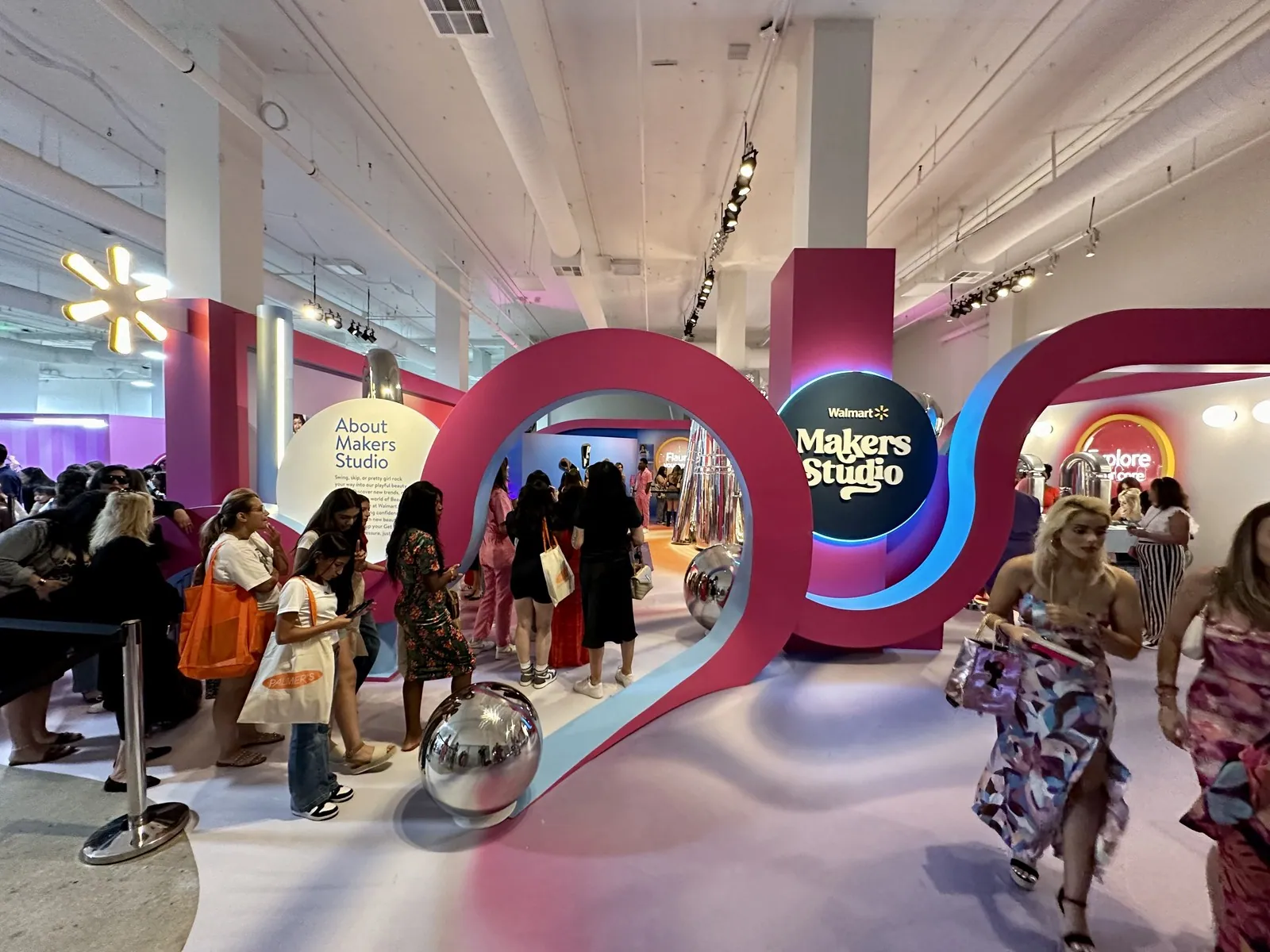
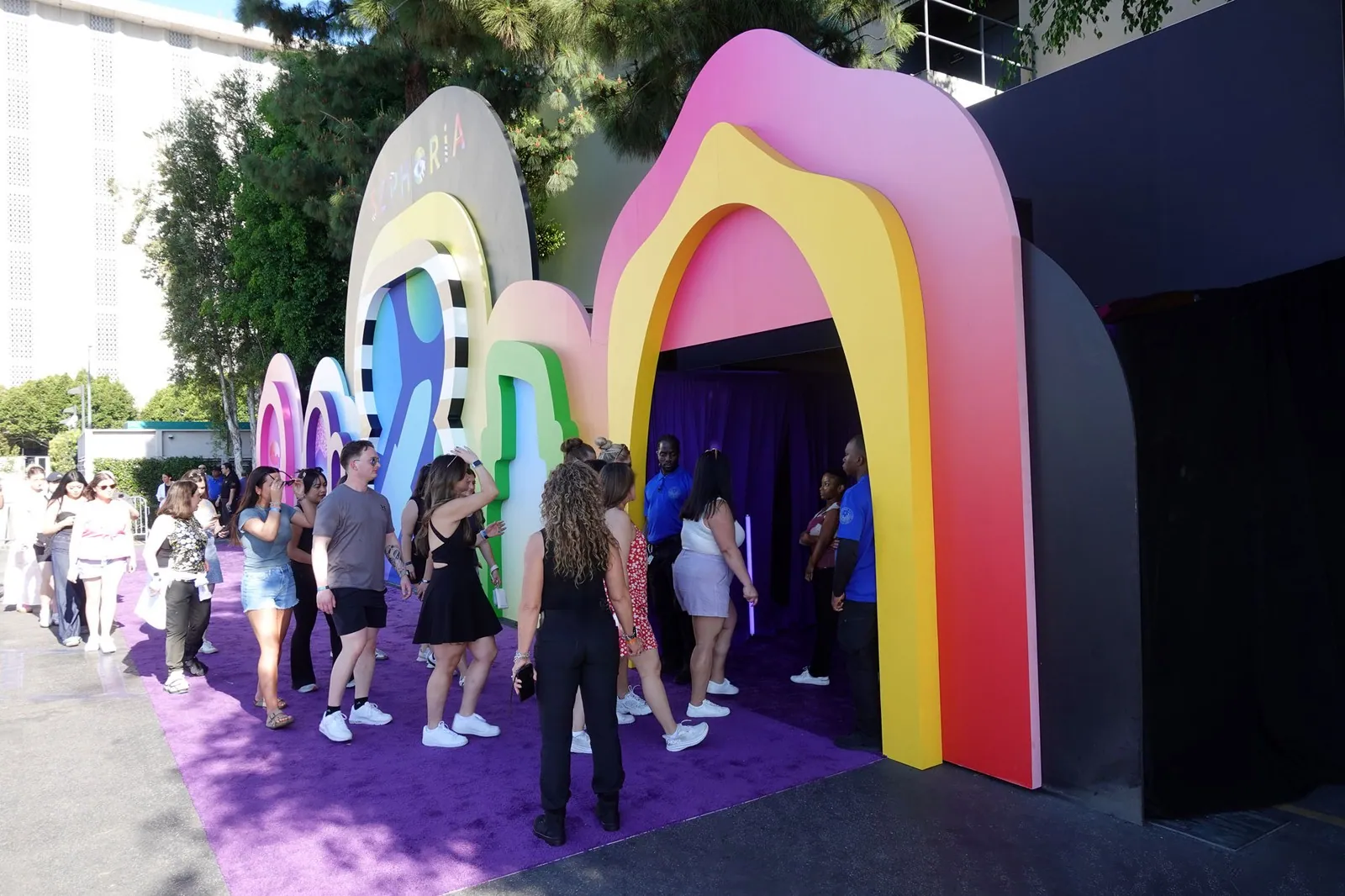
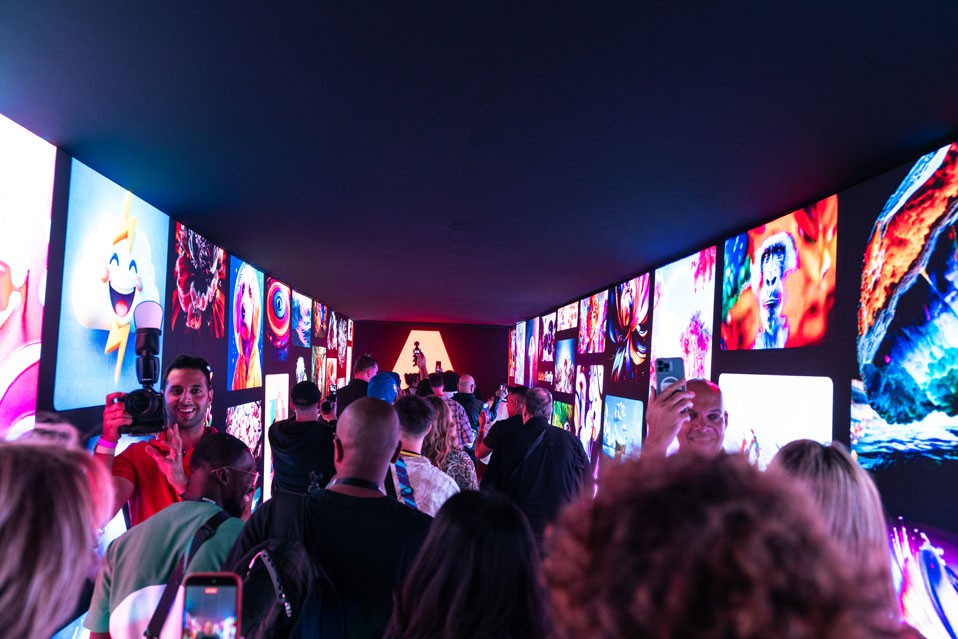
This problem looks slightly different if you’re running a creative venue (a warehouse space, a rooftop, an art gallery, a converted industrial building). You may have fewer administrative staff, which means the tool sprawl lands entirely on one or two people. You also tend to host a more varied mix of event types, which makes a generic booking tool even less fit-for-purpose.
The creative venue owner who’s also managing their own Instagram, building client relationships, and physically setting up for events doesn’t have eight hours a week to spend on administrative overhead. Consolidation isn’t a nice-to-have; it’s essential.