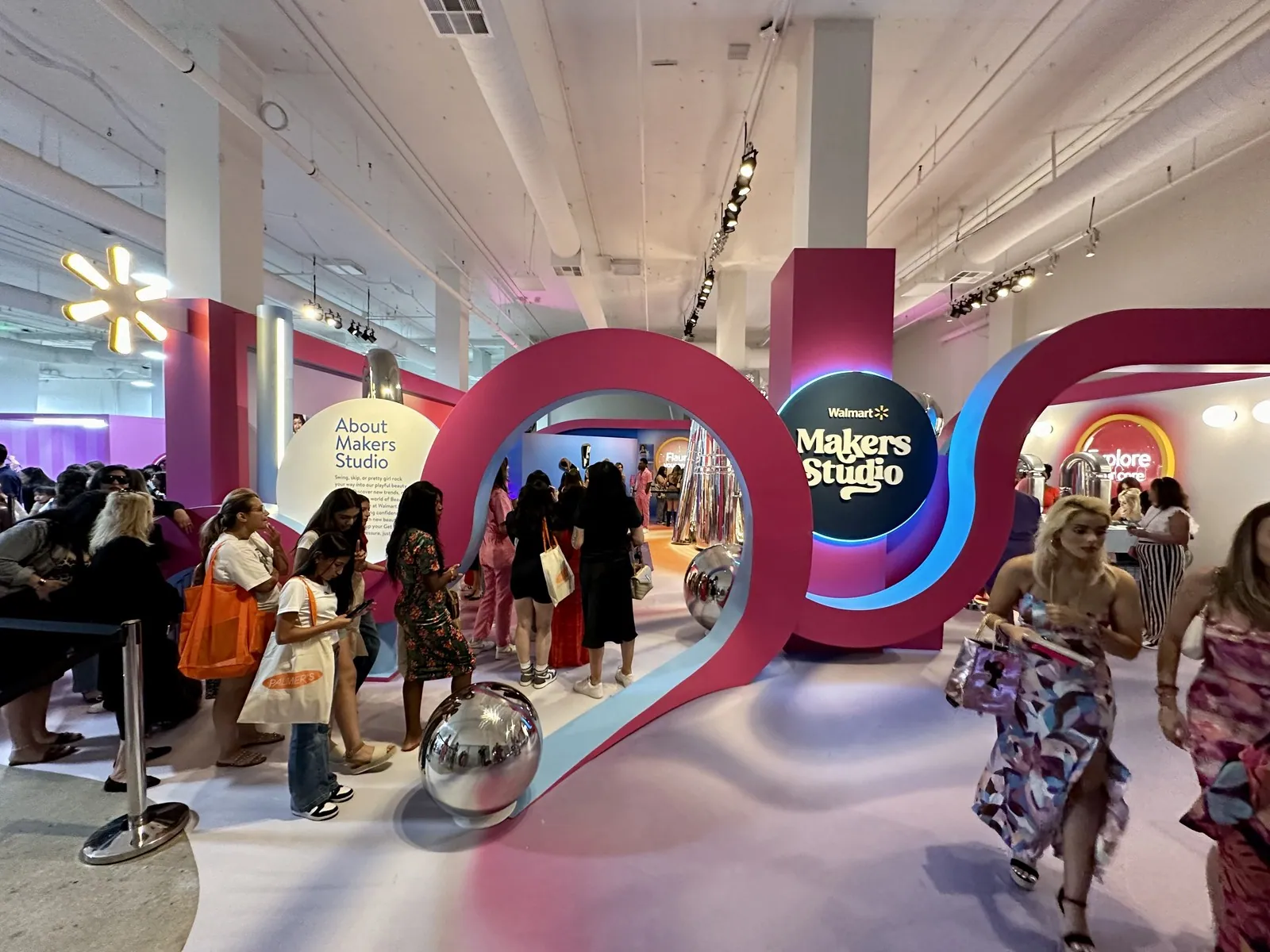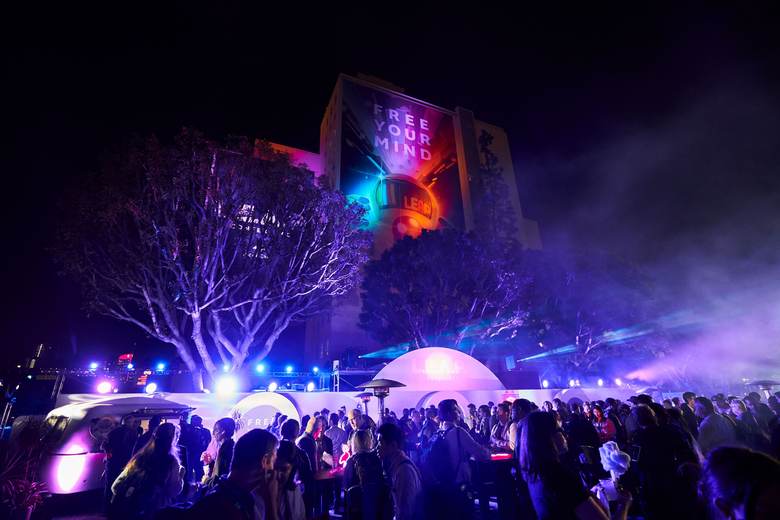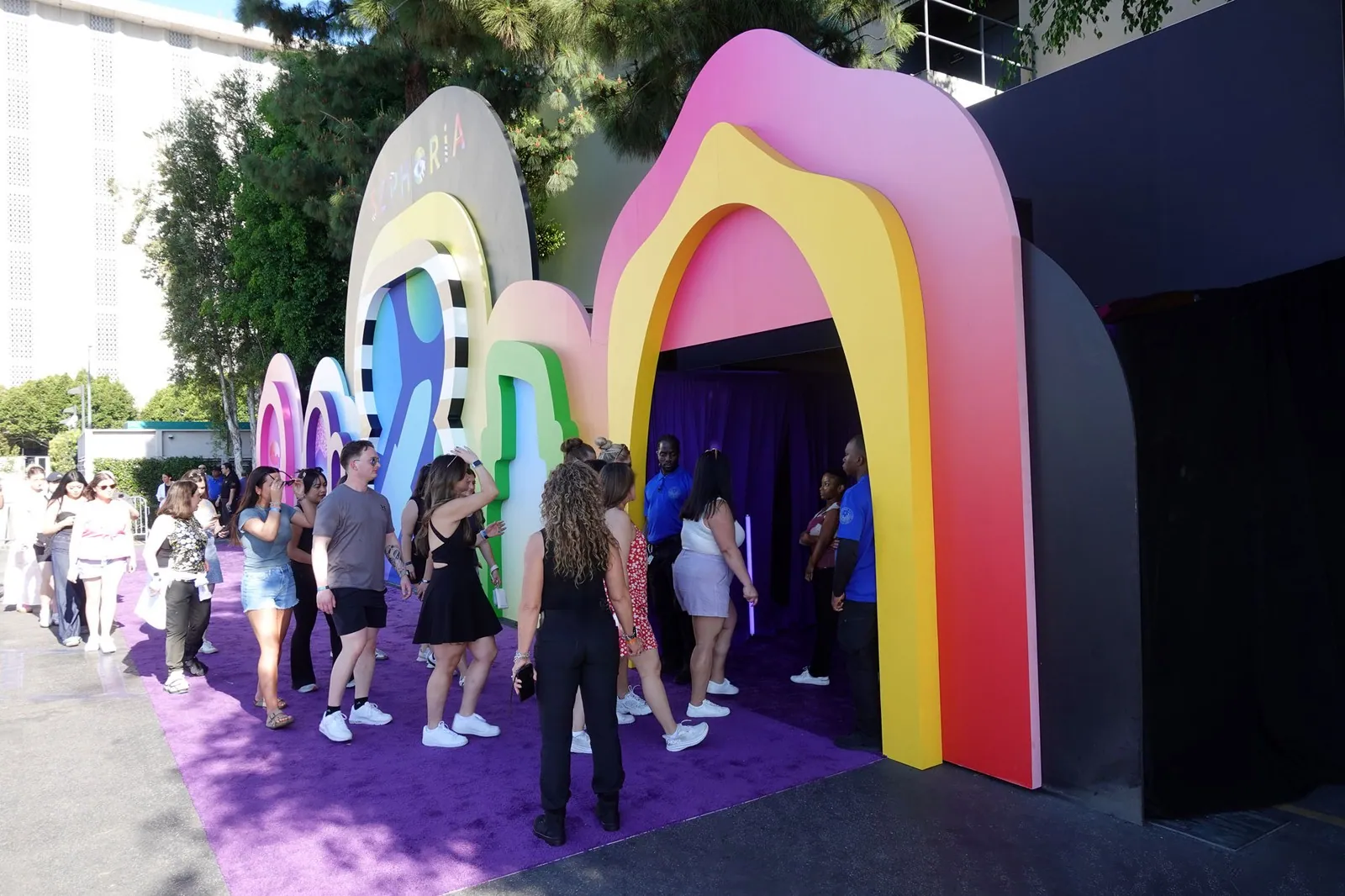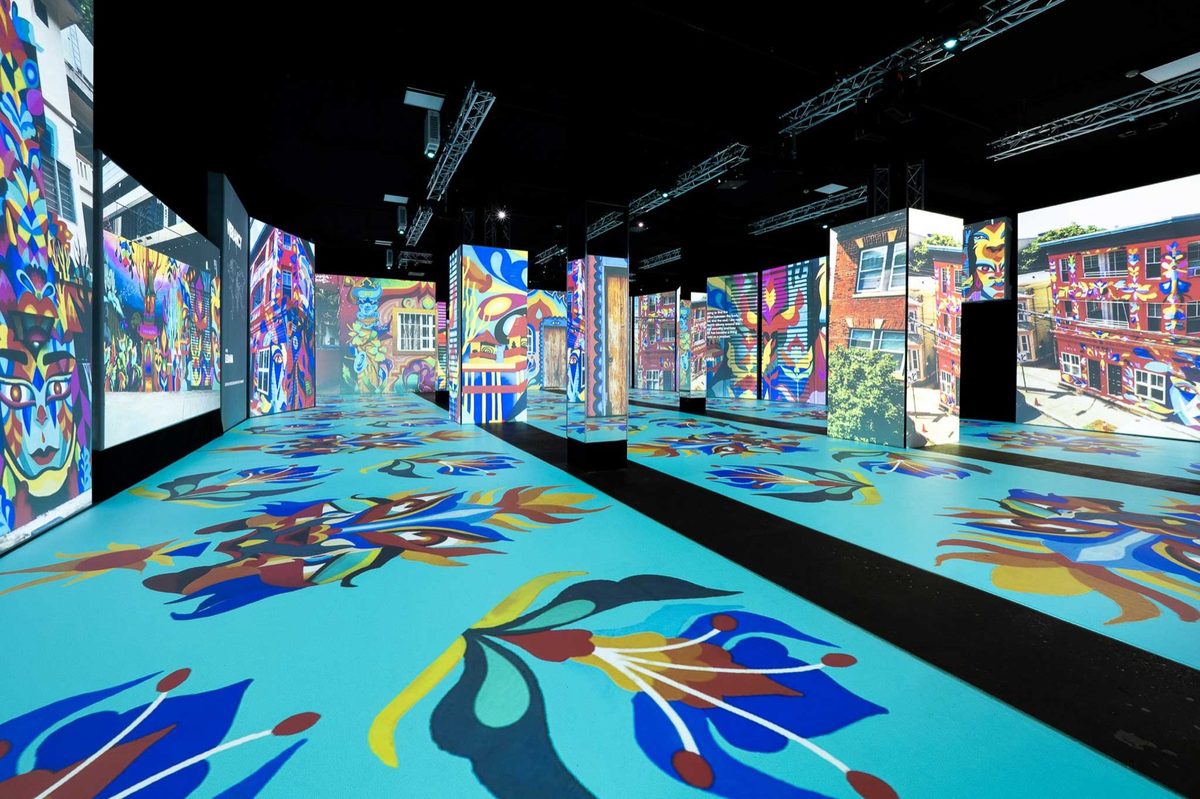

The assumption in venue economics is that more square footage means more revenue. However, this assumption is not relevant to many independent venue owners, who build their businesses on something different: distinctiveness, flexibility, and a client experience that a hotel ballroom can’t replicate.
The good news is that the revenue levers available to smaller creative venues are genuinely different from those available to large convention centers. The challenge is that most independent owners don’t know how to systematically pull them.
Your Real Competitive Advantage
Independent venues win on three things: aesthetics, flexibility, and access. You can say yes to things a hotel can’t: a 2am breakdown time, a completely custom room configuration, a client who wants to bring their own caterer. That flexibility is worth money. Most independent venues don’t charge enough for it.
The venues that monetize flexibility best are the ones who’ve formalized it. “Yes, but here’s the rate for extended access” is a revenue conversation. “Sure, no problem” is a margin giveaway.
Revenue Streams Independent Venues Often Leave Untapped
Production buyouts and exclusive vendor arrangements
If you’re sending clients to find their own caterers, florists, photographers, and A/V companies, you’re missing a revenue layer. Preferred vendor programs, where you vet a short list of vendors and take a referral fee or a commission on bookings, can add 5-15% to your effective revenue per event with no additional infrastructure.
This works because clients actually want curation. They don’t want to vet five catering companies. When you say “we have three caterers we trust and can recommend,” you’re solving a problem for them. The commission is the venue’s return on the vetting work it already did.
Tiered access and priority booking
Independent venues that host repeat clients, production companies or law firms or photographers who book monthly, can formalize that relationship into a membership or priority tier. A $500/monthly membership that gives a photographer 8 hours of studio time plus priority booking access costs you almost nothing in marginal operations and creates predictable recurring revenue.
Recurring revenue is the thing that makes independent venue economics stable. A single large event can make a month. A portfolio of reliable recurring clients makes a business.
Ticketed events as a direct revenue channel
Independent venues increasingly host their own programming rather than only renting to clients. A curated dinner series, a monthly networking event, a workshop program, these create a direct-to-consumer revenue channel that doesn’t depend on landing a large rental booking every week.
The economics are better than they look. If your venue seats 80 people and you run a ticketed event at $45 per ticket, your gross on a 60% sellout is $2,160 from a venue that might rent for $1,200 on the same night. The operational complexity is higher, but so is the margin when it works.
Content and photography days
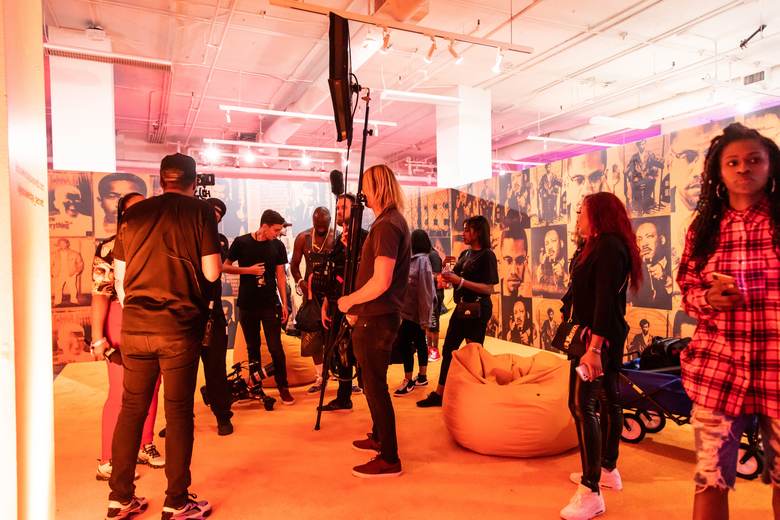
Distinctive spaces (exposed brick, industrial ceilings, natural light, unconventional architecture) have value to content creators beyond event hosting. Hourly and half-day bookings for photoshoots, video production, and brand content creation are a growing revenue channel for independent venues, particularly in urban markets.
The client profile is different: smaller groups, less operational overhead, faster turnarounds, and often repeat bookings on a monthly basis. Pricing for content production should be structured different from event rental, by the hour, with a clear rate card, and without the event minimums that may not apply.
The Operational Side: What Has to Work at Scale
Growing revenue as an independent venue owner has one consistent constraint: you’re often also the person who sets up the room, greets the client, and locks up at the end of the night. Adding revenue streams means adding volume, which means your systems have to absorb more without breaking.
The venues that successfully scale independent operations typically share a few characteristics:
- Self-service booking that doesn’t require your personal involvement for every inquiry
- Clear pricing documentation so clients know what they’re getting and what costs extra, before they sign
- Automated confirmation and client communication so follow-up doesn’t fall through when you’re busy with another event
- A simple inventory system so you’re never promising equipment you don’t have
None of these require a large team. They require the right tools and a few hours of setup time that pays dividends for years.
Pricing: Stop Undercharging for the Experience
For independent venue owners, the instinct to price below comparable hotel or conference center rates is understandable; you’re newer, smaller, or haven’t yet built the brand they have.
But clients who choose an independent venue aren’t choosing on price. They’re choosing on experience, distinctiveness, and fit. Pricing 30% below a hotel ballroom doesn’t make you more attractive to clients who value what you offer, it just makes you less profitable to serve them.
Benchmark your pricing against similar independent venues in your market, and you will almost always find that you have room to raise rates without losing the clients you actually want.