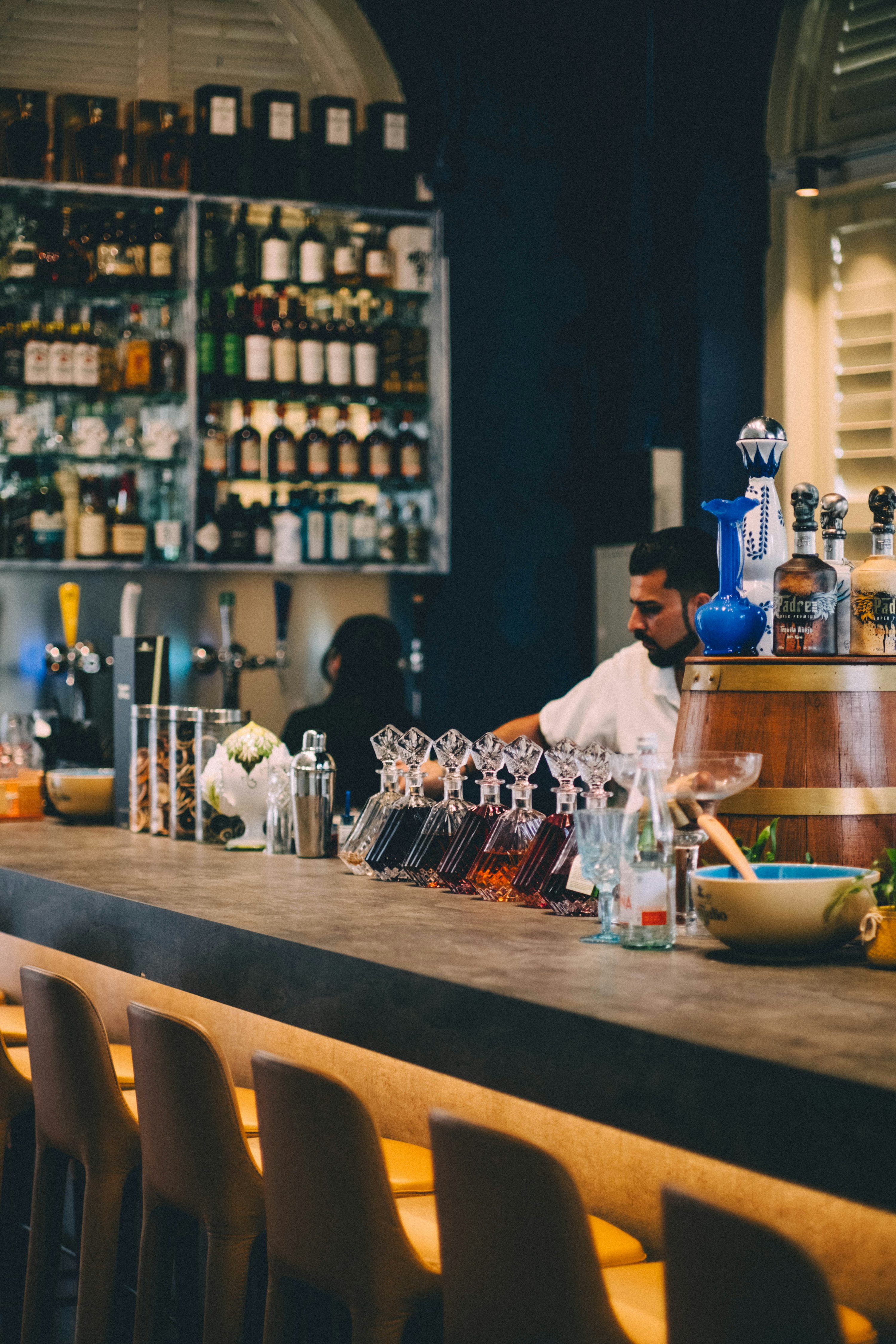
The venue tour playbook: how to turn site visits into signed contracts
A practical guide to running the site visit as a structured consult, not a passive walkthrough.
Lena Tavitian
Operations

The venue tour playbook: how to turn site visits into signed contracts
A serious client who walks your space is most of the way to a yes. By the time someone agrees to drive across town and stand in your venue with you, they have shortlisted you. The decision is no longer whether to book somewhere, it is whether to book here.
That makes the site visit the highest-leverage conversion moment an independent venue has. It is also the moment most operators leave the most money on the table. The typical tour is a generic walkthrough: open the doors, point at the room, recite the capacity, hand over a brochure. A client who has toured four venues that week will not remember which one was yours by Friday.
Run the tour as a structured consult and the close rate moves materially.
Why Does the Site Visit Decide the Booking?
A well-run site visit decides the booking because it converts at 50 to 75 percent for independent venues, far higher than any other touchpoint in the funnel. Sub-30 percent tour-to-close rates are almost always a process problem rather than a pricing or product one.
The reason the tour is so decisive is that a venue is an emotional purchase wrapped in an operational one. The client is trying to imagine their guests in the room, their speakers on the stage, their cocktail hour spilling onto the terrace. A well-run tour helps them see it. A passive walkthrough leaves them to do that work alone, and most clients will not.
There is also a competitive dynamic. The client touring your venue is almost certainly touring two or three others, and the one that wins is usually the venue that felt the most prepared, the most attentive, and the most credible about delivering the event the client described in the inquiry.
Before the Tour: Ten Minutes of Prep That Change Everything
The single highest-ROI use of time in the entire booking funnel is the ten minutes before the client pulls into the parking lot. Most operators skip this step. The ones who do it consistently see double-digit lifts in tour-to-close.
A simple pre-tour checklist:
Re-read the inquiry. The event type, headcount, date, budget, and any context the client volunteered.
Pull up two or three past events in your calendar that resembled what they described, ideally with photos.
Pick two configuration options for the room that fit their event. Be ready to physically walk them through both.
Check the calendar for date conflicts on their preferred date and the two surrounding weekends.
Confirm who else is touring the building that afternoon, so you are not double-booked at the door.
This is also the moment to glance at any structured client data you have on file. ShoSoft customers tend to do this in one screen: the inquiry, the calendar, past comparable events, and a notes field all live together, so the prep takes minutes instead of half an hour of digging.
Walk the room before the client arrives. Lights on, music on if appropriate, no lingering vendor clutter from last night's event. A room that looks ready costs nothing and signals everything.
During the Tour: Questions That Change the Proposal
The walkthrough itself should feel like a conversation, not a presentation. Talk less than you think you should. Ask more than you think you need to. The goal is to leave the tour with enough information that the proposal practically writes itself.
Three questions earn their keep on every tour:
What does success look like for this event? This is the single most useful question in venue sales. The answers vary widely, more revenue, a wow moment for VIPs, a stress-free experience for the host, and they tell you exactly how to position the proposal.
Who else is involved in the decision? If the person standing in front of you is not the sole decision maker, you need to know now. About half the time, the real signer is a spouse, a CFO, or a committee. Offering to host a second short visit for the rest of the group is a high-converting move most operators never make.
What is firm about your plans, and what is flexible? Date flexibility, headcount range, and budget bands are all worth probing gently. A client who can move from a Saturday in October to a Friday in November may unlock a 20 to 30 percent rate the venue would otherwise have left on the calendar.
Operator insight: the best tour guides spend more time with their feet planted than walking. Stop in three or four spots. Let the client picture the event in each one. Movement breaks the imagination loop.
While you walk, narrate what changes for them, not what is true about the building. "Your registration table works best right here, so guests aren't bunched at the door." "Your AV vendor will load in through that side entrance, which keeps the front clean for arrivals." Specifics tied to their event are what stick, while generic facts about the venue wash out by the time they reach the parking lot.
After the Tour: The Same-Day Follow-Up
The tour is not over when the client leaves the parking lot. The same-day follow-up is part of the tour, and it closes deals at meaningfully higher rates than next-day or two-day follow-ups.
A useful structure for the post-tour note, sent within four hours:
A short thank-you that references something specific from the conversation. ("Loved the idea of opening the program with a champagne toast on the terrace.")
One or two photos that match the configuration you walked through, not generic marketing shots.
A clear next step and timeline. "Sending the full proposal by Thursday morning. It will include the two package options we discussed and a hold on October 18."
A soft date hold if the client expressed strong interest, with a clear expiration. A 7-day courtesy hold is industry standard.
If the proposal is going to take longer than 48 hours to assemble, say so explicitly in the follow-up. Silence after a tour is the most common reason a hot lead cools off and books elsewhere.
This is the other point in the funnel where the right tooling earns its keep. A platform like ShoSoft lets the same-day note, the courtesy hold, and the proposal draft start from the same source data, so nothing gets retyped and nothing falls through the cracks.
What to Measure
Treat the tour as its own stage in the funnel and measure it like one. Three numbers tell you almost everything:
Tour-to-proposal rate. This should be near 100 percent. Anything lower means tours are happening with clients who were not actually qualified, which is usually an inquiry-screening problem upstream.
Tour-to-close rate. The benchmark for a well-run process is 50 to 75 percent. Under 30 percent is a tour-quality problem. Between 30 and 50 percent is usually a proposal or follow-up problem.
Average days from tour to signed contract. Tight cycles are a leading indicator of momentum. If the median is creeping past 14 days, something in the post-tour cadence is leaking.
Pull these once a quarter, broken out by who ran the tour. Most multi-person venue teams discover that one person closes at noticeably higher rates than the rest. That person is doing something specific the others are not. Find it, write it down, and make it the house standard.
Closing Thought
Treat the venue tour as the proposal itself, not as a step between the inquiry and the proposal. By the time the client gets back to their car, they have made most of the decision. Everything that arrives in their inbox afterward either confirms what they already feel or fails to.
Ready to try it yourself?
ShoSoft pulls inquiry context, calendar holds, and follow-up templates into one place, so every tour gets the same prep and every tour gets a same-day note. Book a demo at shosoft.ai.
Operations
Share