
A couple asks if they can bring the wine from their family's vineyard. A nonprofit wants to serve donated beer at its fundraiser. A company already bought cases of champagne for its holiday toast. Each request sounds reasonable, and each one puts your venue's license, insurance and reputation in play.
A written BYOB policy lets you answer these requests the same way every time. This guide covers what to check, what to require and how to word it.
Should a Venue Allow BYOB?
A venue can allow BYOB only if its license, local laws and insurance permit it, and if it does, it should require licensed and insured bartenders, set clear limits on what alcohol can come in, charge a corkage or service fee and put liability terms in the contract. Many venues allow BYOB for private events with conditions, and many others prohibit it entirely because their liquor license or insurer requires it.
The answer depends on where you are and what license you hold. Start there before you write a single line of policy.
Check the Licensing Questions First
Alcohol rules vary by state, county and city, and the answers change depending on whether your venue holds a liquor license. Ask your state liquor authority, and an attorney if needed, about each of these.
- Whether outside alcohol can be served on your premises at all
- Whether a BYOB event needs a special or temporary permit
- Whether servers need a state or local server certification
- What rules apply to hours, sales or admission fees
- What your insurer requires for outside alcohol
Licensed venues are often limited in what outside alcohol they can allow, and some can only permit specific exceptions such as wine with corkage. Unlicensed venues may face separate rules, and charging guests for drinks or admission at a BYOB event can change the legal picture. Get the answers in writing.
Require Licensed and Insured Bartenders
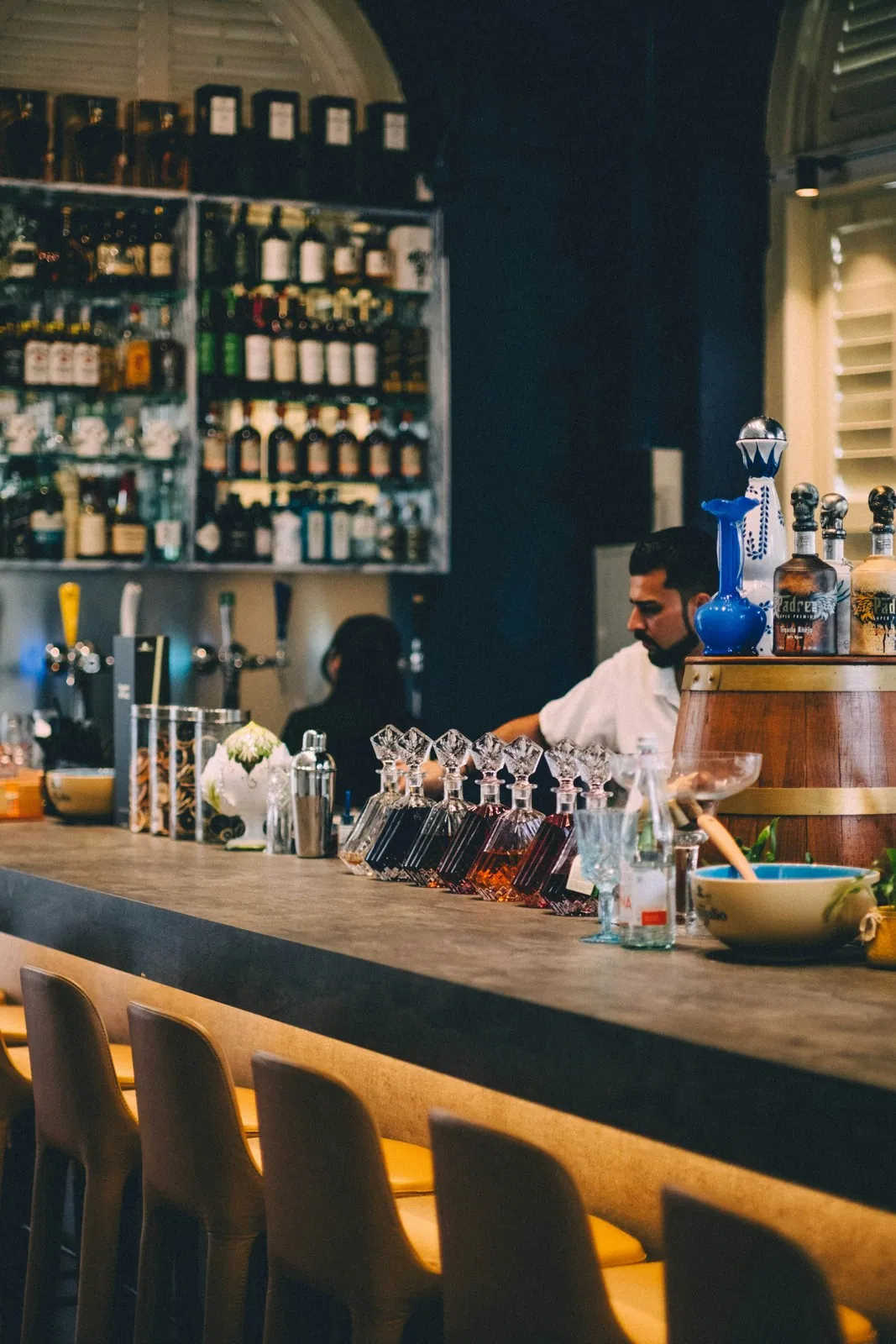
The single most important rule in any BYOB policy is that guests never serve themselves. Require that all alcohol be served by bartenders from a licensed, insured bartending company, or by your own trained staff.
The bartending company should carry liquor liability insurance and name your venue as an additional insured. Collect its certificate before the event, and confirm that its bartenders hold any server certification your area requires. Bartenders should check ID and have the authority to refuse service.
If you run your own bar program, consider offering BYOB clients a service-only package from your own staff. You control training and standards, the client gets a bartender who knows the building and the service fee stays with your venue.
Corkage and Service Fees
Corkage covers the venue's cost and risk of handling alcohol it did not sell. It is usually charged per bottle of wine or champagne opened, and some venues charge a flat bar service fee for beer and spirits.
Whatever you charge, list it on the quote and explain what it covers, such as glassware, ice, bar setup, staff time and cleanup. A fee that appears on the first quote with a short explanation rarely gets pushback.
Liability and Insurance Language
Alcohol creates real liability, and the contract should spell out who carries it. Rules on host liquor liability and dram shop claims vary widely by state, so have an attorney review your wording.
Most BYOB clauses require the client to carry event liability insurance that includes host liquor liability, name the venue as additional insured and agree to indemnify the venue for claims arising from alcohol the client provided. They also let the venue stop alcohol service at any time.
A Sample BYOB Policy
Adapt this outline to your local rules and have it reviewed before use.
Clients may bring beer and wine for private events with written approval at least 14 days before the event. Spirits are not permitted. All alcohol must be delivered on the event day during the load-in window and listed on an inventory form.
- Service only by approved licensed and insured bartenders
- Client provides host liquor liability insurance naming the venue
- Corkage or bar service fee applies per the event quote
- No service to anyone under 21 or visibly intoxicated
- Alcohol service ends 30 minutes before the event end time
Unopened alcohol leaves with the client at the end of the event. The venue may stop alcohol service at any time for safety reasons, and violations may result in forfeiture of the security deposit.
Review Your Policy Before Holiday Season
Holiday parties bring the most BYOB requests of the year. Pull your current contract and check whether it addresses outside alcohol at all. If it does not, call your liquor authority and insurer this week, write a one-page policy and add it to every proposal for the season.
A clear answer on the first call keeps the conversation about the party.
Frequently Asked Questions
Is BYOB legal at an event venue?
It depends on your state and local laws and on whether your venue holds a liquor license. Some places allow BYOB at private events with conditions, some require special permits and some restrict outside alcohol on licensed premises. Check with your state liquor authority before allowing it.
Do you need a bartender for a BYOB event?
Most venues require one, and many local rules and insurers do too. A licensed, insured bartending company controls service, checks ID and refuses service when needed. Self-service alcohol at a private event increases risk for the venue and the client.
How much should a venue charge for BYOB?
Venues usually charge a corkage fee per bottle opened, a flat bar service fee or both. The amount depends on your market, what the fee covers and how your in-house bar prices compare. Set the fee to cover glassware, ice, staff time, cleanup and the added risk.
What insurance is needed for a BYOB event?
Most venues require the client to carry event liability insurance that includes host liquor liability, with the venue named as additional insured. The bartending company should carry its own liquor liability coverage. Your insurer can tell you the limits you should require.