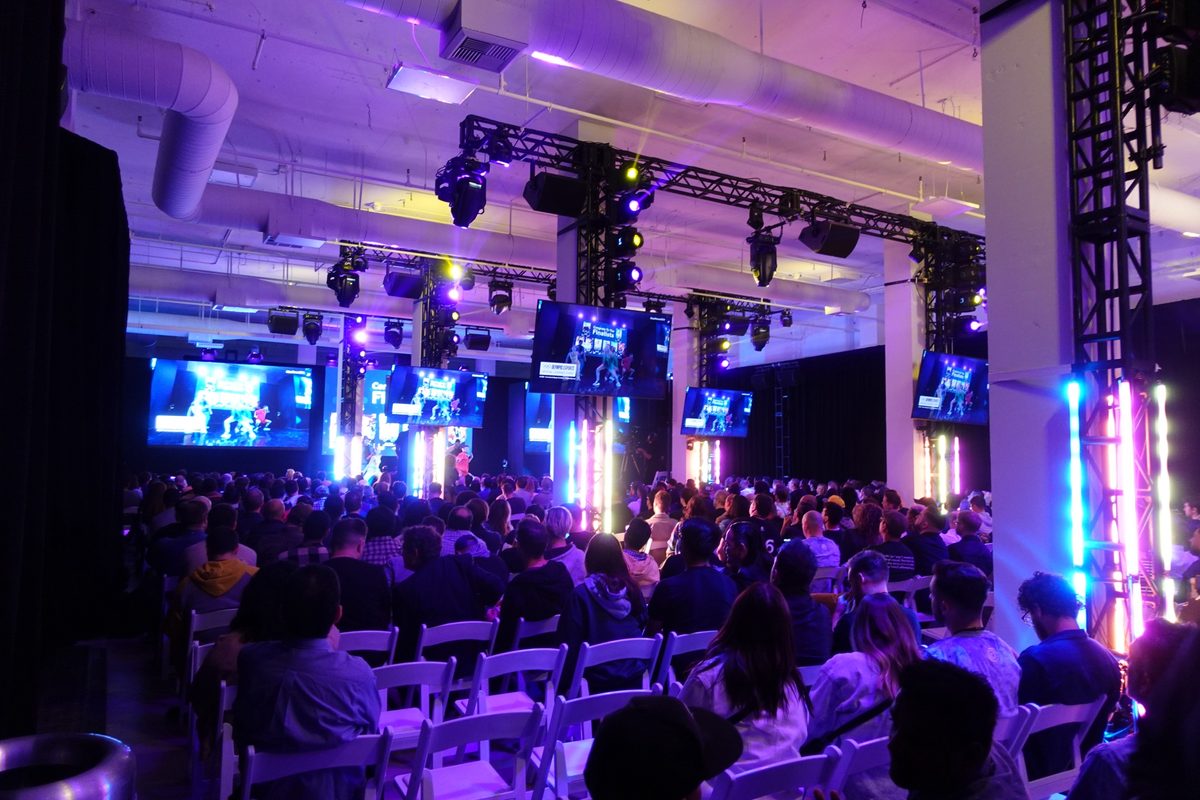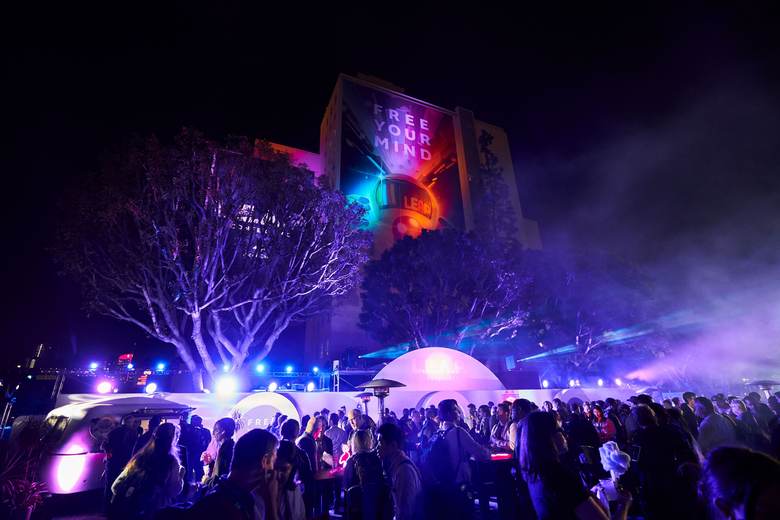

A lighting designer asks for haze so the beams show up, the client loves the look in the rehearsal video and nobody thinks about the smoke detector above the stage. Twenty minutes into the event, the alarm sounds, the building evacuates and the fire department arrives to a room full of guests standing on the sidewalk.
Haze and fog effects can be run safely in many venues, but only with a plan agreed before load-in. This guide covers how detectors react, what isolation and fire watch involve in general terms and what a venue policy should require.
Will a Haze Machine Set Off a Fire Alarm?
A haze machine can set off a fire alarm, depending on the type of smoke detector, how close the haze gets to it, how dense the effect is and how the room is ventilated. Optical smoke detectors and very sensitive aspirating systems are the most likely to react. Venues prevent false alarms by approving each effect in advance and, where local rules allow, having the fire alarm contractor manage affected detectors with a fire watch in place.
Every jurisdiction treats this differently. The fire code your city or county has adopted, your alarm monitoring contract and your insurer all have a say, so the first step is a conversation with your fire marshal and your alarm company.
Haze, Fog and Low Fog Are Different Effects
Clients and production crews use these words loosely, but the effects behave differently.
- Haze is a thin, even mist that lingers and shows light beams
- Fog is denser, comes in bursts and hides more of the room
- Low fog hugs the floor and is often made with chilled fluid, dry ice or carbon dioxide
Haze is the effect most likely to drift up to ceiling detectors over a long event. Low fog stays down but brings its own concerns, since effects made with dry ice or carbon dioxide can displace oxygen in low or enclosed spaces. Any low fog request should come with the operator's safety plan.
How Smoke Detectors React
The detectors in your building decide how much risk you carry. Your fire alarm contractor can tell you exactly what is installed in each room.
- Optical or photoelectric detectors sense particles scattering light, which haze can trigger
- Ionization detectors respond more to smaller combustion particles but can still react
- Aspirating systems draw in air continuously and are very sensitive
- Beam detectors span large rooms and can react when haze crosses the beam
- Heat detectors respond to temperature and are not set off by haze
Many venues have a mix. A ballroom might use beam detectors while the corridors use optical detectors, which means haze that drifts out of the room can trigger an alarm somewhere else.
Detector Isolation and Fire Watch
When an effect is likely to trigger detection, some jurisdictions allow detectors in a specific zone to be isolated for the duration of the effect. This is work for your licensed fire alarm contractor and is often coordinated with the monitoring company and, in many places, the local fire department.
Isolating detection usually means someone has to watch for fire in its place. A fire watch is a trained person, or a team, who patrols the affected area for the entire time detection is reduced, with a way to raise the alarm immediately. Your local rules decide whether a fire watch is required, who can perform it and whether a permit is needed. Restoring the system right after the event belongs on the same written plan.
What Your Policy Should Require From Producers
A short policy turns a risky request into a routine one. It should ask for the same information every time.
- Written request at least two weeks before the event
- Machine make, model, fluid type and the fluid's safety data sheet
- Placement, run times and the named operator
- Certificate of insurance covering the effect
- Agreement to pay for isolation, fire watch and any false alarm fees
State that only the venue's fire alarm contractor may touch the alarm system, that the venue can stop the effect at any time and that the producer is responsible for any fines or charges if the effect causes an alarm. Some cities charge for repeated false alarms, so check what yours does.
Guest Comfort and Cleanup
Some guests are sensitive to haze, including people with asthma. Many venues post a notice at the entrance when atmospheric effects are in use, and some events tell guests in advance.
Haze and fog fluid can leave residue on floors, stages and glass, and a slick dance floor is a slip hazard. Add cleaning time to the load-out window, and run ventilation after the event to clear the room.
Write the Haze Clause This Week
Call your fire alarm contractor and ask which detector types cover each event room, then ask your fire marshal what your jurisdiction requires for atmospheric effects. Put the answers into a one-page haze and fog policy and attach it to every production contract.
The next lighting designer who asks for haze will get a clear answer the same day.
Frequently Asked Questions
Can you use a haze machine in a venue with smoke detectors?
Often yes, with planning. Whether it is allowed depends on your detector types, local fire rules and your alarm contractor's procedures. Many venues approve haze only with advance notice, a named operator and, where required, detector isolation with a fire watch.
What is a fire watch for an event?
A fire watch is a trained person or team who patrols an area to spot fire while normal detection is reduced or disabled. They need a way to raise the alarm immediately. Local rules decide when a fire watch is required and who may perform it.
Does water-based haze set off smoke alarms?
It can. Water-based and oil-based haze fluids both create fine particles that optical detectors and aspirating systems may sense. The density of the effect, the distance to the detector and air movement matter more than the fluid label.
Who pays if a haze machine triggers a false alarm?
The venue's policy and contract should decide that before the event. Many venues make the producer or client responsible for false alarm fees, fire watch costs and any related charges. Check whether your city charges for false alarms and include those charges in your policy.