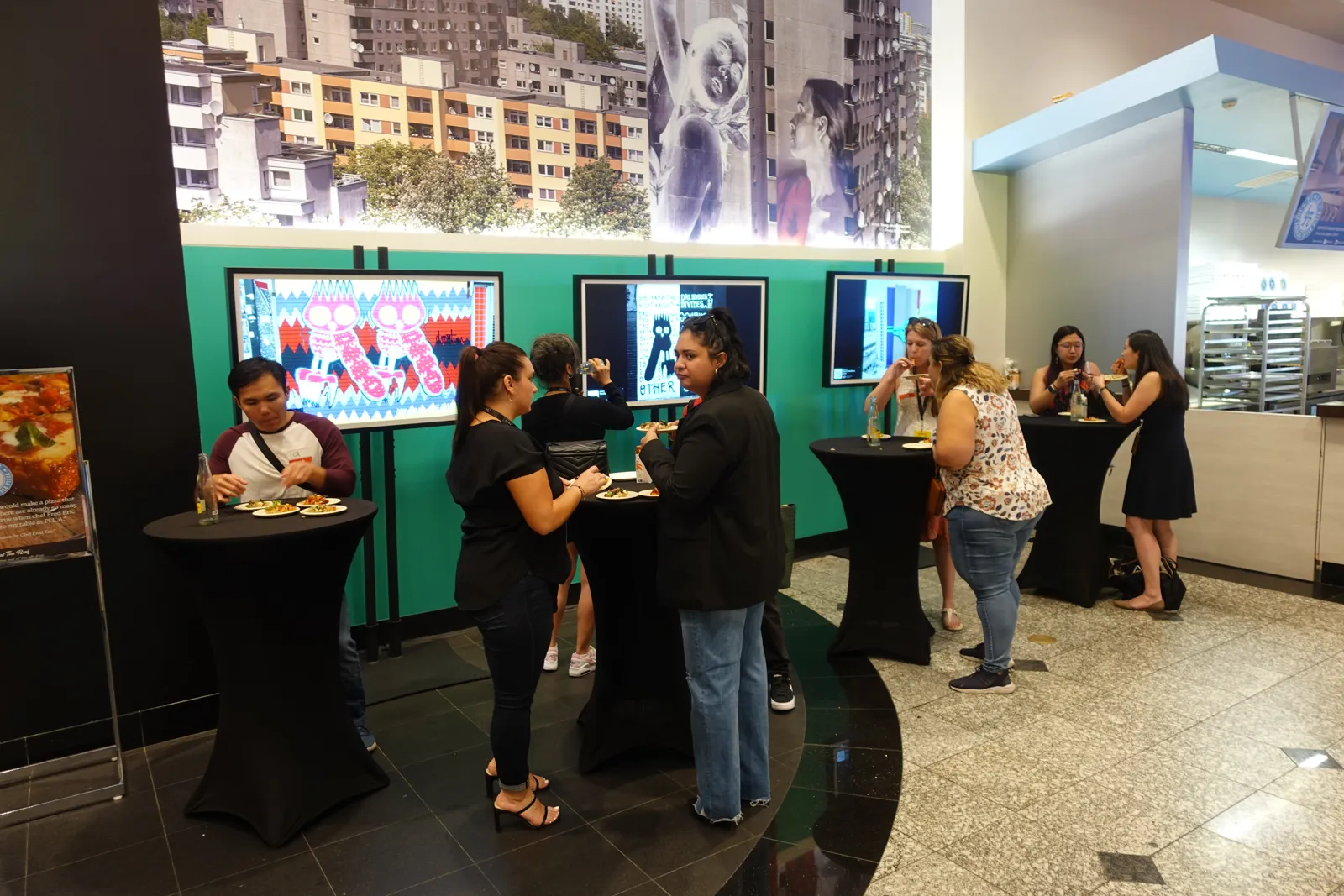
Somebody in the office gets handed the holiday party every year, often on top of a full-time job. It might be you this year, with a budget number from finance, a vague sense of what people liked last time and a calendar that is already filling up.
The steps below follow the order decisions actually need to be made. It is written for the person booking the party, so each step ends with something you can do this week.
How Do You Plan a Company Holiday Party?
To plan a company holiday party, set a budget and headcount first, pick a date and format, book the venue, then plan food, drinks, entertainment and invitations in that order. Most of the stress comes from doing these out of sequence, such as choosing a band before you know the room. Starting early also gives you a far better choice of dates and venues.
Step 1, Set the Budget and the Headcount
Get a total budget in writing from whoever approves it, and ask whether it includes tax, service charges and gratuity. Those can add a meaningful share on top of the menu price, and planners who forget them end up cutting the dessert course in November.
Then estimate attendance. Decide whether partners or guests are invited, since that choice can nearly double the count. Divide the budget by the expected headcount to get a per-person number, which is the figure most venues will ask for first.
Step 2, Pick the Date and the Format
December Fridays and Saturdays are the first dates to go at most venues. If those are taken or out of budget, weeknights in early December and dates in January often cost less and are easier to book.
Choose a format that suits your people and your budget.
- Seated dinner, more formal and easier to hold speeches
- Cocktail reception with stations, more mingling and flexible timing
- Activity party, such as games, a cooking class or a show
- Daytime lunch, better for teams with long commutes or young families
Think about who will attend. A late-night party with an open bar suits some teams and leaves others out. A daytime or early evening event may draw more of the company.
Step 3, Book the Venue
Shortlist three or four venues that fit the headcount and format, then visit at least two. Ask for the total cost at your expected count, what is included, the food and beverage minimum if there is one, and the cancellation terms.
Read the contract before signing. Check the guest count deadline, the overtime rate, the deposit and payment schedule and the cancellation clause, and ask about anything vague. Once the contract is signed and the deposit is paid, hold the date on every leadership calendar.
Step 4, Plan Food, Drinks and Entertainment
Work with the venue or caterer on a menu that fits the format. Collect dietary needs early through the RSVP form, and make sure there are good options for vegetarian, vegan, gluten-free and other common requirements.
Decide on the bar plan with your leadership before you talk to the venue. An open bar for the whole night, drink tickets, a beer and wine bar or a hosted first hour each send a different message. Always include appealing non-alcoholic drinks, and plan transport home, such as a rideshare code or shuttle, if alcohol is served.
Entertainment and the program
Keep the program short. One welcome, any awards and a thank-you from leadership are usually enough, ideally before or during dinner while everyone is in the room.
Entertainment depends on the crowd. A DJ, a live band, a photo booth, games or a performer each suit different teams. Ask the venue about sound limits, stage space, power and load-in times before you book any act.
Step 5, Send Invitations and Track RSVPs
Send a save-the-date as soon as the venue is booked, then a full invitation four to six weeks out. Include the date, time, address, dress code, parking or transit details, the guest policy and a firm RSVP deadline.
Use the RSVP to collect dietary needs and accessibility requests. Chase non-responders a week before the venue's final count is due, since that number sets what you pay.
Step 6, Run the Night and Close It Out
Confirm the final count, timeline and floor plan with the venue about a week before. Name one person on your side as the venue's contact for the night, and give them the timeline, the vendor list and the authority to approve small changes.
On the night, arrive early, walk the room and keep an eye on the clock. Afterward, review the final invoice against the contract, send thank-yous to the team and the venue and note what worked for next year.
Start This Week
Get the budget approved and send a short survey asking the team which dates and formats they would enjoy. With those two answers in hand, you can start calling venues with real numbers.
Frequently Asked Questions
How far in advance should you plan a company holiday party?
Start three to six months ahead if you want a December Friday or Saturday, since those dates book first. Smaller parties or weeknight events can come together in six to eight weeks. January dates usually have more availability.
What should a company holiday party budget include?
Include the venue or room fee, food and drinks, tax, service charge and gratuity, entertainment, decor, invitations, transport and a contingency. A contingency of around 10 percent is a common rule of thumb. Asking venues for an all-in price at your headcount prevents gaps.
How do you make a company holiday party inclusive?
Choose a date and time that works for people with caregiving duties, offer strong non-alcoholic options and cover a range of dietary needs. Many companies call it a year-end or holiday party rather than tying it to one tradition. Make sure the venue is accessible and ask about access needs on the RSVP.
Should a company holiday party have an open bar?
It depends on the company's culture and policies. Many companies limit alcohol with drink tickets, a set bar window or a beer and wine bar. Whatever you choose, provide food, non-alcoholic options and safe transport home.