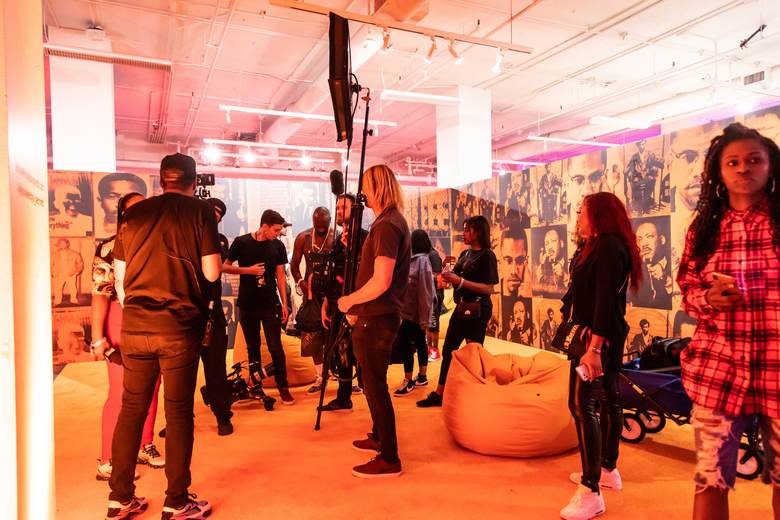
Doors open in twenty minutes. Half the servers are new to this client, the bartender just learned the toast moved earlier and nobody told the floor that table six has a guest with a severe shellfish allergy. Every one of those gaps could have been closed in a short huddle before the shift started.
A pre-shift meeting is the last chance to put the whole team on the same page. Run well, it takes about ten minutes and prevents most of the small mistakes guests notice.
What Should a Pre-Shift Meeting Cover?
A pre-shift meeting for event staff should cover who the client is and what the occasion means to them, the timeline of the event, the menu and any allergies or dietary needs, each person's role and station, and the safety plan, including who to call when something goes wrong. It should run about ten minutes, standing, led by the manager on duty or captain.
This is the staff huddle. The meeting with the client and vendors to confirm details happens earlier, usually days before the event, and its outcomes feed this one.
Keep It Short and Standing
Hold the meeting after setup is mostly finished and before guests arrive, with enough time to fix anything it uncovers. Fifteen to thirty minutes before doors usually works.
Gather everyone working the event in one spot, including bar, kitchen and security where possible. Stand, keep it brisk and stick to the agenda. A pre-shift that runs long loses attention and eats into the final setup, which is the opposite of what it is for.
The Pre-Shift Agenda
The client and the occasion
Start with who the guests are and why they are here. A retirement party, a product launch and a memorial reception each call for a different tone. Name the client contact and any VIPs the team should recognize, and note anything sensitive, such as a family situation or a high-profile guest.
The timeline
Walk through the key moments in order, such as doors, dinner service, speeches, the first dance or the award presentation, and the end time. Flag the moments when service must pause, such as during a toast, and the moments when speed matters most.
Menu and allergies
Read the menu out loud, including what each dish is and how it is served. Then cover allergies and dietary needs by table or guest, and how those plates will be marked. Make sure every server knows to check with the kitchen before answering an allergy question they are not sure about.
Roles and stations
Assign each person a section, station or task, and confirm who covers breaks. Name the captain or lead for each area and who to go to with a question. New staff should be paired with someone experienced.
Safety and problems
Point out the exits, the first aid kit and the fire extinguishers. Say who handles a medical issue, an intoxicated guest or a security concern, and how to reach them, whether by radio or in person.
Use a One-Page Pre-Shift Sheet
Write the briefing down so it does not depend on memory. A single page covers it.
- Client name, occasion and VIPs
- Timeline with key moments and end time
- Menu with allergens and marked tables
- Staff assignments by section and station
- Safety contacts and radio call signs
Print copies for leads and post one in the back of house. When something changes mid-event, update the posted sheet so late arrivals and returning staff see the current plan.
Adjusting the Huddle for Large Events
When a large event has dozens of staff, one big circle gets hard to hear. Hold a short all-hands for the client, the timeline and safety, then split into department huddles where each captain covers sections, the kitchen walks through plating and the bar lead covers drink service.
If your team works in more than one language, ask a bilingual lead to repeat the allergy and safety points. Those are the two parts of the briefing where a misunderstanding costs the most.
Common Pre-Shift Mistakes
The most common mistake is skipping the meeting on busy nights, which are the nights it matters most. Others include reading a long document aloud, leaving out the kitchen and bar, and covering only service details while forgetting safety.
Another is treating the pre-shift as a one-way talk. Leave a minute at the end for questions. Staff often spot problems the lead missed, such as a table placed too close to an exit or a station short on glassware.
Run Your Next Huddle From a Sheet
Before your next event, build the one-page sheet from the event details, banquet event order and timeline. Run the meeting standing, in ten minutes, and ask for one question from the team before you finish. After the event, note what came up that the sheet missed and add it to the template.
A short huddle every shift builds a team that walks onto the floor ready.
Frequently Asked Questions
How long should a pre-shift meeting be?
Most pre-shift meetings for events run about ten minutes, and rarely more than fifteen. That is enough to cover the client, timeline, menu, allergies, roles and safety. Longer meetings tend to lose attention and cut into final setup time.
Who should lead a pre-shift meeting?
The manager on duty or the banquet captain usually leads it, since they run the floor during the event. The chef or kitchen lead may cover the menu, and the bar lead may cover drinks. One person should own the agenda and keep it on time.
When should a pre-shift meeting happen?
Hold it after setup is mostly complete and before guests arrive, often fifteen to thirty minutes before doors. That leaves time to fix anything the meeting uncovers. For long events, a short second huddle at shift change helps new arrivals.
What is the difference between a pre-shift meeting and a pre-con meeting?
A pre-con meeting brings the venue, client and vendors together days before the event to confirm details. A pre-shift meeting is the staff huddle on the day, right before service. The pre-con decides the plan, and the pre-shift passes it to the team working the floor.