A bar that runs out of ice in the first hour or has one register for 300 guests slows the whole event, and guests remember the line longer than the cocktail. Most of those problems are visible an hour before doors open, if someone walks the bar with a checklist.
The list below is organized by station, so a bar lead can set up and check one area at a time. It assumes the bar format and drink prices are already decided, and it focuses on what has to be physically in place.
What Goes on an Event Bar Setup Checklist?
An event bar setup checklist covers every station a bar needs to serve guests without delays. That means the bar itself and the back bar, ice and chilling, glassware, garnishes and mixers, the point of sale, water service and waste. It also sets quantities by guest count and ends with a walkthrough about 30 to 45 minutes before doors open, so gaps are fixed while there is still time.
Size the Bar Before You Set It
Start with how many bar stations the event needs. A common rule of thumb is one bartender for every 50 to 75 guests at a full bar and one for every 75 to 100 at a beer and wine bar, with more if the event opens with a rush. Each station should have its own wells, ice and glassware, so bartenders are not reaching across each other.
Place stations away from the entrance and spread them out in large rooms, so the line at one bar does not block the door. Plan a separate water station or passed water to take pressure off the bars.
The Bar and Back Bar
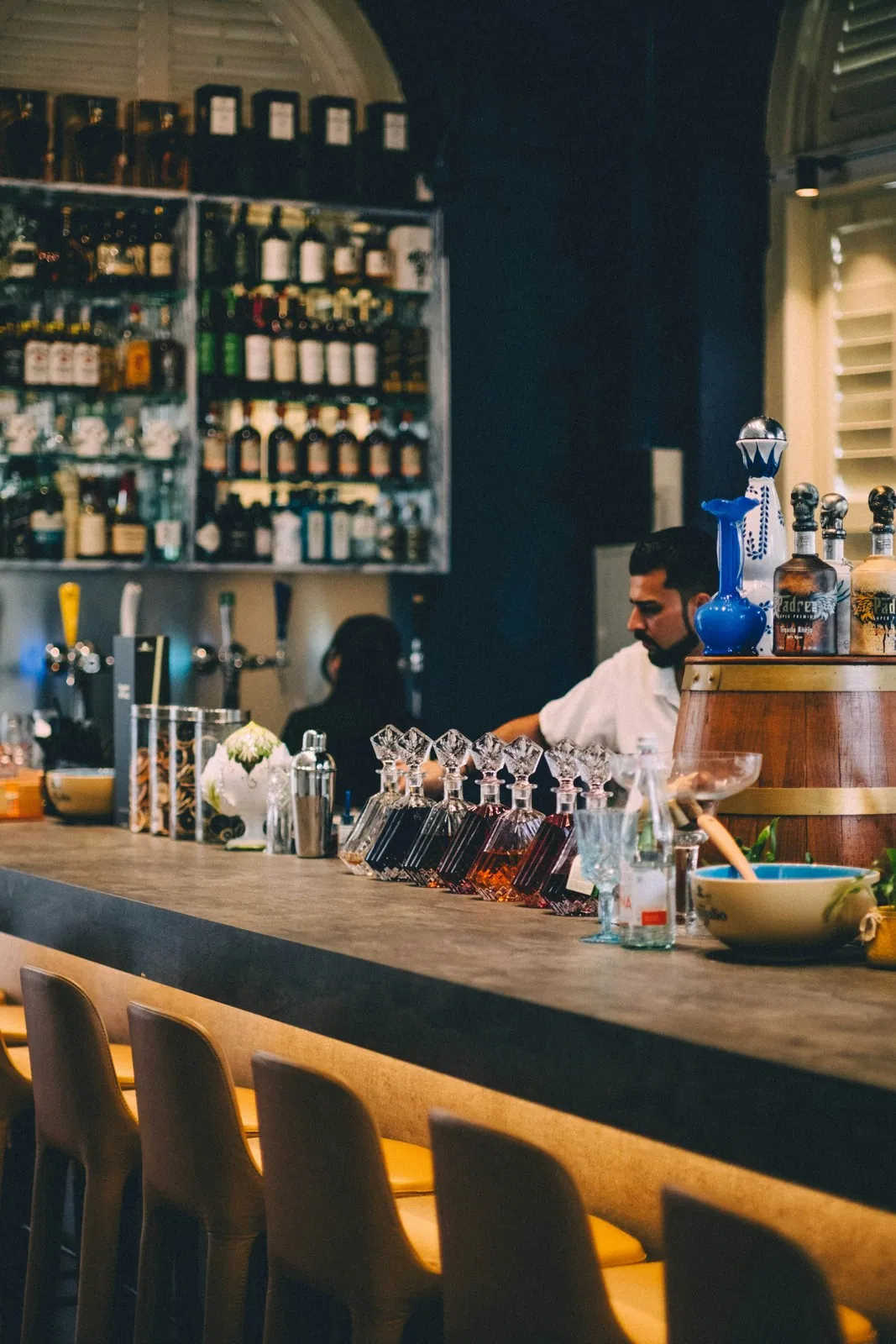
- Bar tables or a portable bar with a skirted front and enough depth to work behind
- Back bar table for bottles, backup stock and tools
- Speed rails or wells set the same way at every station
- Bar mats, bar towels and a sanitizer bucket at each well
- Bottle openers, corkscrews, jiggers, shakers, strainers and bar spoons
Set every station in the same order, so a bartender moving between bars finds the vodka, the openers and the jiggers in the same place. Label backup cases by station.
Ice and Chilling
Ice runs out more often than anything else. A typical rule of thumb is about one to two pounds of ice per guest for drinks, with more for long events, outdoor events and hot weather. Chilling bottles and cans in tubs takes a separate supply on top of that.
- Ice bins at every station, filled before doors open
- Backup ice in coolers or a freezer close to the bars
- Tubs or coolers for chilling beer, wine and soft drinks
- Ice scoops at every bin, never glassware
- A named runner responsible for ice refills
Glassware, Garnish and Supplies
For glassware, many venues plan on two to three glasses per guest over an evening, since guests set glasses down and take a fresh one. Cocktail napkins run higher, often three or four per guest.
- Glassware by type, counted and racked by station
- Backup racks and a route for dirty racks to reach the dish area
- Cocktail napkins and straws or stirrers
- Cups for water and any outdoor or poolside areas where glass is not allowed
Check that the dish team knows when the bar will need its first rack of clean glasses. A bar that runs out of glassware stops serving just as fast as one that runs out of ice.
- Cut garnishes in covered containers on ice
- Mixers, juices, syrups and soda guns or bottled soda
- Backup garnish prepared and labeled in the kitchen or a cooler
- Signature cocktail recipe cards posted at each station
Prep garnishes the same day, and keep them cold. A signature cocktail recipe card at each well keeps every bartender pouring the same drink.
Point of Sale and Tickets
For cash, consumption or drink ticket bars, the point of sale needs as much setup as the bottles.
- Card readers charged, connected and tested with a real transaction
- Price list printed and visible to guests in line
- Cash bank counted, if cash is accepted
- Drink ticket collection box or tracking sheet, if tickets are used
Test the network at each station before doors open. A card reader that works in the office may not connect in the far corner of a ballroom.
Water, Waste and Safety
- Water station or water at every bar, with cups
- Trash and recycling bins behind each bar and nearby for guests
- Clean towels and a spill kit
- Signage for ID checks and any service policies
Make sure the bar team knows the ID policy, how to cut off service and who the manager on duty is. Responsible service rules apply at every bar format.
Run the Pre-Open Walkthrough
About 30 to 45 minutes before doors open, the bar lead walks every station with the checklist. Bins full, backup ice in place, glassware racked, garnish out, registers tested, water ready and every bartender at their station. Note anything missing and fix it before the first guest arrives.
After the event, record what ran short and when. That note on ice, glassware or a station that backed up is what sets the quantities for the next event of the same size.
Frequently Asked Questions
How much ice do I need for an event bar?
A common rule of thumb is one to two pounds of ice per guest for drinks, depending on the length of the event and the weather. Add more for chilling bottles and cans in tubs. It is safer to have backup ice nearby than to run out halfway through the evening.
How many bartenders do I need per guest?
Many venues use one bartender for every 50 to 75 guests at a full bar and one for every 75 to 100 at a beer and wine bar. Add bartenders for events with a heavy opening rush or complex cocktails. Barbacks or runners for ice and glassware make each bartender faster.
How many glasses per guest should I plan for an event?
Plan on roughly two to three glasses per guest for an evening event, more for long events with several drink types. Guests set glasses down and take new ones, so the count runs higher than drinks served. Keep backup racks and confirm the dish team can turn glassware during service.
How early should the bar be set up before an event?
Most venues aim to have the bar fully set at least 30 to 45 minutes before doors open. That leaves time for a walkthrough, fixing gaps and testing payment systems. Large or multi-station bars may need setup to start an hour or more ahead.