The week before a show, exhibitors start calling with the same questions. They ask when they can move in, where to ship their boxes, whether power is included and whether they can hang a banner. Each call takes ten minutes, and the answers often depend on who picks up the phone.
An exhibitor manual answers those questions once, in writing, months ahead. It also gives your team a document to point to when an exhibitor shows up with a twelve-foot backwall in a space with an eight-foot height limit.
What Is an Exhibitor Manual?
An exhibitor manual, also called an exhibitor kit or service kit, is the document a show organizer or venue sends exhibitors with everything they need to plan, ship, set up and run their booth. It covers the schedule, move-in and move-out, booth rules, shipping, utilities, services and order forms, insurance and safety, and every deadline in one place. A good manual reduces calls and prevents problems on move-in day.
Open With Contacts and Deadlines
The first pages carry the information exhibitors look for most.
Welcome and key contacts
Open with a short welcome, the show name, dates and venue address, and a contact list.
- The show organizer's exhibitor contact
- The venue's event contact for building questions
- Contacts for any service providers, such as AV, furniture or shipping
- An on-site emergency number for move-in and show days
Schedule and deadlines
Put every date that matters on one page near the front. Exhibitors look for this first.
- Move-in dates and times, by booth location if staggered
- Show hours and exhibitor access hours
- Move-out start time and the final departure deadline
- Deadlines for orders, forms, insurance certificates and payments
Mark the deadlines that carry late fees or loss of service. If power orders placed after a date cost more, say so here.
Explain Move-In, Shipping and Move-Out
Logistics questions fill the inbox in the final weeks, so answer them in detail.
Move-in and move-out
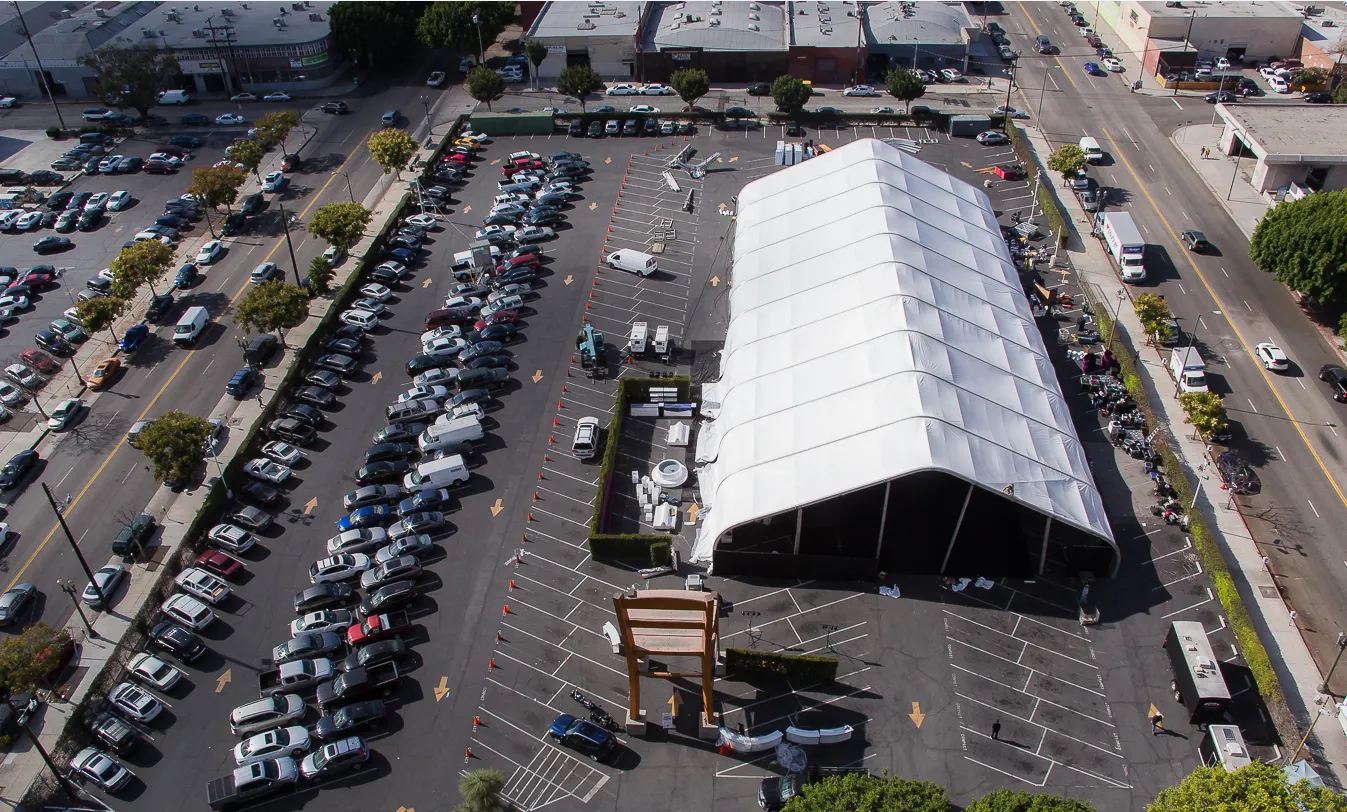
Explain how exhibitors and their freight reach the booth. Include the loading dock location, vehicle size limits, parking, unloading time limits, and whether equipment such as carts or forklifts is available.
Set clear rules for move-out. Exhibitors who pack up early disrupt the show, so state the earliest time packing may begin. Then state the final time by which every booth must be cleared and what happens to items left behind.
Shipping and storage
Explain the shipping options, such as shipping to an advance warehouse or direct to the venue during move-in. Give the exact address format and label requirements. State whether the venue accepts deliveries before move-in, and if it charges for receiving or storing freight.
Tell exhibitors how outbound shipping works too, including the carrier pickup schedule and what to do with labels and paperwork after the show.
Set Booth Rules and Specifications
This section prevents the most arguments on show day.
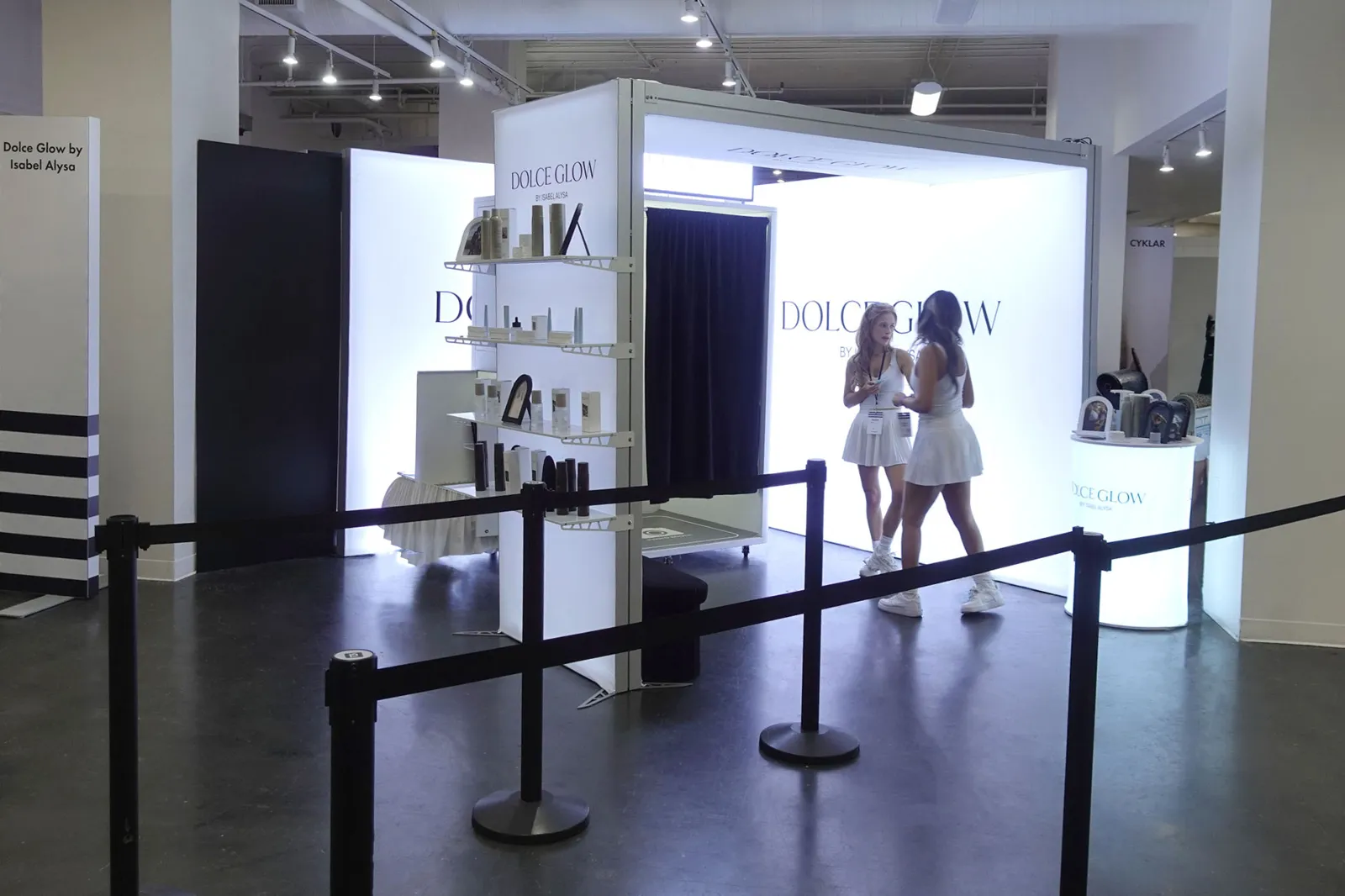
- Booth sizes and what the base package includes, such as pipe and drape, a table and chairs and a sign
- Height limits for backwalls, sidewalls and hanging signs
- Sightline rules, so booths do not block neighbors
- Rules on sound, giveaways, food sampling and demonstrations
Include a diagram of a standard booth with dimensions. Exhibitors read drawings faster than paragraphs.
List Utilities and Services
List what exhibitors can order and how. Typical services include electrical power, internet, furniture, carpet, AV, cleaning, lead retrieval and extra badges. For each, give the price, the order deadline and the late price.
Explain what the booth price includes for power, if anything, and how power reaches the booth, such as an outlet at the back wall or a floor box. Ask exhibitors with screens, coffee machines or demo equipment to list their total wattage on the order, so the electrician can size each circuit before move-in.
Order forms should be simple, with booth number, company name and contact on every form. ShoSoft's exhibition module lets organizers sell booths and booth extras through a storefront and attach an exhibitor kit, so orders and payments land on the same record as the booth.
Cover Insurance and Safety
Exhibitors often need to show proof of liability insurance, sometimes naming the venue and the organizer. State the requirement and the deadline.
Include safety rules from your fire marshal and venue policy, such as flame-retardant materials, clear aisles, no blocked exits, and restrictions on open flame, propane and helium. Rules vary by jurisdiction, so confirm them with your local fire authority before printing.
End With a Forms Checklist
End with a one-page checklist of every form and payment, with its deadline. Exhibitors work from this page.
- Booth contract and payment
- Insurance certificate
- Service orders such as power, internet and furniture
- Badge registration and any special permits
Send It Early and Update It Once
Send the manual when the exhibitor signs their booth contract, ideally several months before the show. Send one reminder with the deadlines a few weeks before the first one. If anything changes, issue one updated version with the changes marked.
Frequently Asked Questions
What is included in an exhibitor kit?
An exhibitor kit includes the show schedule, move-in and move-out rules, booth specifications, shipping instructions, utility and service order forms, insurance and safety requirements, and a checklist of deadlines. Many kits also include floor plans and contact lists. The goal is to answer every common exhibitor question in one document.
When should exhibitors receive the exhibitor manual?
Send it as soon as the exhibitor signs a booth contract, often several months before the show. Exhibitors need time to plan shipping, order services before deadlines and design booths that fit the rules. A reminder a few weeks before the first deadline helps.
Who writes the exhibitor manual, the venue or the organizer?
Usually the show organizer writes it, with building rules, loading details and safety requirements supplied by the venue. When the venue produces its own shows, the venue writes the whole manual. Either way, the venue should review the building sections before they go out.
What are common exhibitor booth rules?
Common rules cover booth height limits, sightlines to neighboring booths, sound levels, food sampling, giveaways, fire-safe materials and keeping aisles clear. Many shows also set rules for when booths may be dismantled. Include a diagram so exhibitors can check their design against the limits.