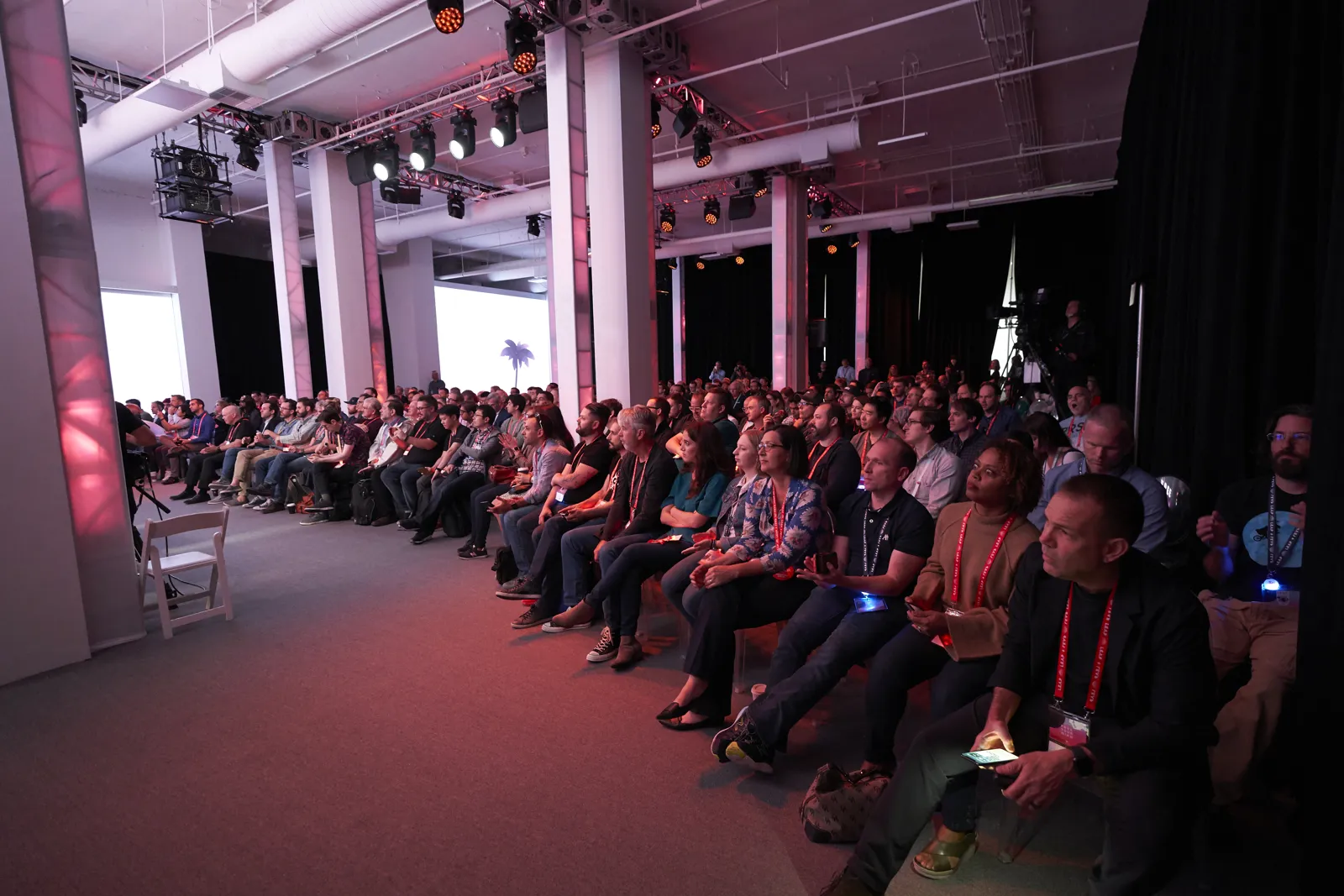
Most events pass without anyone needing more than a bandage. The ones that do not are the reason every venue needs a plan. A guest faints in a hot room, a server cuts a hand in the kitchen, a dancer twists an ankle, or someone collapses during a speech. In each case the first few minutes depend on what is already on site and who knows how to use it.
First aid planning is simple to set up and easy to neglect. This guide covers the general pieces, and local rules, your insurer and your event permits may add specific requirements.
What Are the First Aid Requirements for Events?
First aid requirements for events usually include a stocked first aid kit, staff on every shift trained in first aid and CPR, a clear way to call emergency services, and for larger or higher-risk events, an AED and on-site medical providers. Workplace safety rules, local codes, event permits and insurance policies can set specific requirements, so check with your local authorities and your insurer. Beyond any minimum, the right level of coverage depends on crowd size, alcohol, activity and how far you are from emergency care.
Stock the Right Kit
Every venue should have at least one well-stocked first aid kit in a known location, with more for large buildings or separate areas such as an outdoor lot or kitchen. Many suppliers sell workplace kits built to the ANSI/ISEA Z308.1 standard, often labelled Class A or Class B, which is a sensible baseline in the United States.
- Adhesive bandages, gauze pads, roller bandages and medical tape
- Antiseptic wipes, burn dressings and cold packs
- Disposable gloves, scissors and a CPR barrier mask
- Eye wash and a foil emergency blanket
- A tourniquet and trauma dressings for serious bleeding
Kitchens need burn and cut supplies within reach of the line. Check every kit monthly and after any use, and replace expired items.
Train Staff on Every Shift
A kit is only useful if someone knows how to use it. Aim to have at least one person trained in first aid, CPR and AED use on every shift, and more for large events. Training is widely available through recognized providers and usually needs renewal every two years.
Name the first aid lead for each event in the staff schedule. Make sure that person knows where the kits and AED are, carries a radio or phone and is not tied to a role they cannot leave, such as running the bar alone.
Consider an AED
An automated external defibrillator (AED) can restore a normal heart rhythm after sudden cardiac arrest, and modern units guide an untrained user through each step. Some states and cities require AEDs in certain types of buildings, such as gyms, schools or large assembly spaces. Even where they are not required, many venues install one because of the number of people they host.
If you have an AED, mount it in a visible, central location, mark it with signage, register it if your state requires it and check the battery and pads on a schedule. Tell staff and clients where it is during the pre-event briefing.
When to Book Medical Providers
For larger and higher-risk events, trained staff and a kit are not enough. On-site medical providers, such as an EMT team or a standby ambulance, may be needed or required by the event permit.
Common triggers include large crowds, heavy alcohol service, concerts with standing crowds, athletic or fitness events, extreme heat or cold, and events far from the nearest hospital. Your local fire department, emergency medical services agency or permit office can tell you when standby coverage is required. Private medical event companies can advise on staffing levels for a specific event.
Write the arrangement into the event file. Who is providing medical coverage, where they will be stationed, how staff reach them and who calls emergency services.
Plan the Response as Well as the Supplies
A good plan spells out what staff do in the first minutes. Who calls emergency services, who meets the ambulance at the entrance, who clears the area and who stays with the guest.
Mark an entrance for emergency vehicles and make sure the route is clear of deliveries and cars. Keep the venue's address, nearest cross streets and entrance description posted near phones so callers can give clear directions.
Record every incident on a simple form, including what happened, the care given, witnesses and any follow-up. Your insurer will want it, and the records show you patterns, such as a loose tile or a step guests keep missing.
Run a First Aid Check Before Your Next Event
Walk the building with your first aid lead this week. Open every kit, check the AED, confirm training dates for each staff member, and post the emergency address sheet near phones. Then add first aid to your pre-event briefing script so every event starts with the same three facts (who the first aid lead is, where the kit is and where the AED is).
Preparation turns a frightening moment into a handled one.
Frequently Asked Questions
Is a venue legally required to have a first aid kit?
Workplace safety rules in many places require employers to provide first aid supplies and trained responders appropriate to the workplace. Specific requirements vary by country, state and industry. Check with your local workplace safety authority and your insurer.
How many first aiders does an event need?
There is no single number for every event, since it depends on crowd size, activities, alcohol and distance to emergency care. Many venues aim for at least one trained person per shift, with more for large or high-risk events. Your permit office or a medical event provider can advise for specific events.
Do event venues need an AED?
Some jurisdictions require AEDs in certain buildings, while others leave it to the owner. Many venues install one because they host large groups. If you have one, maintain it and make sure staff know where it is.
Who is responsible for first aid at a client's event, the venue or the client?
It depends on the contract and the event. Venues usually provide basic first aid and trained staff, while clients running large or high-risk events may be required to hire medical coverage. Spell it out in your rental agreement.