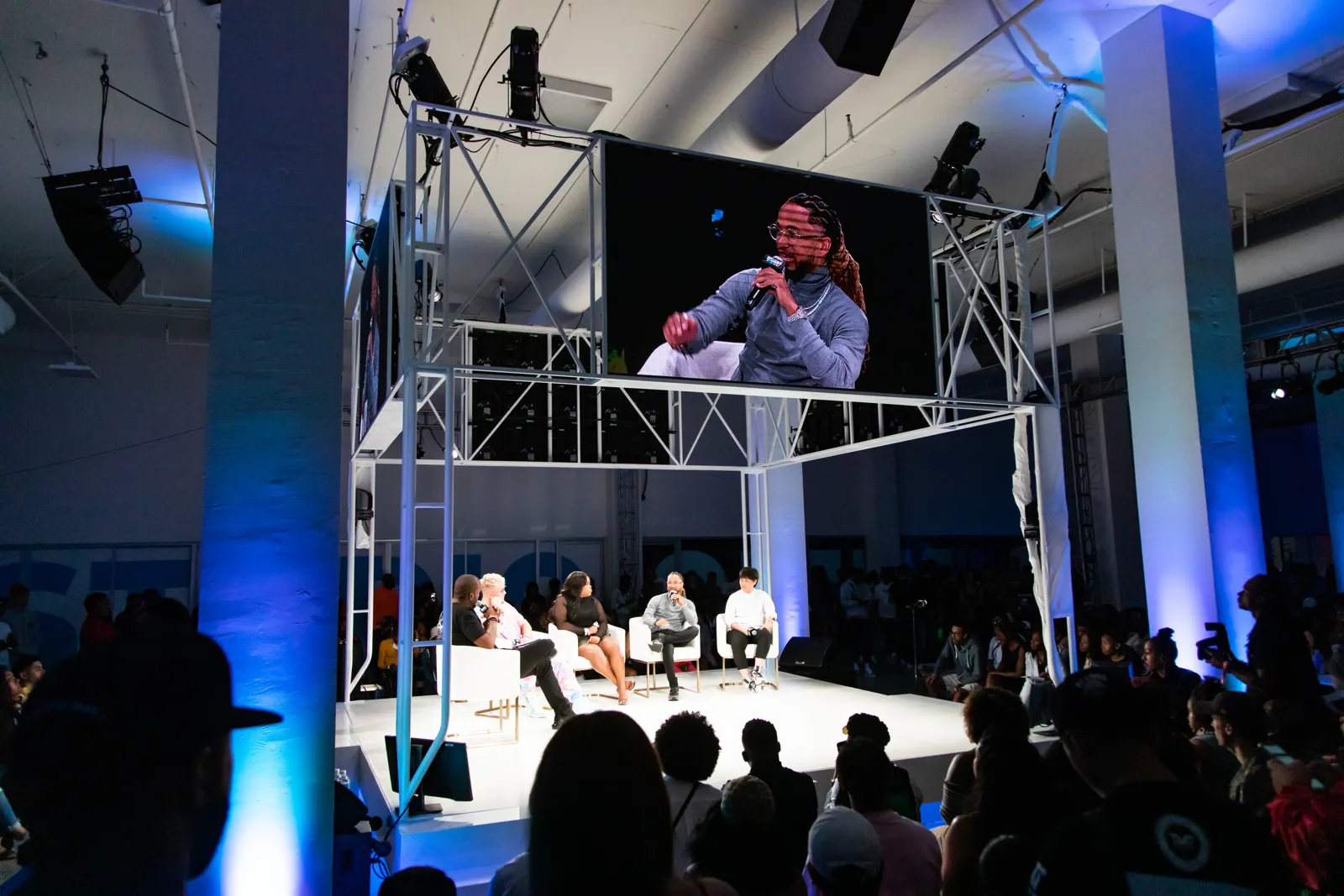
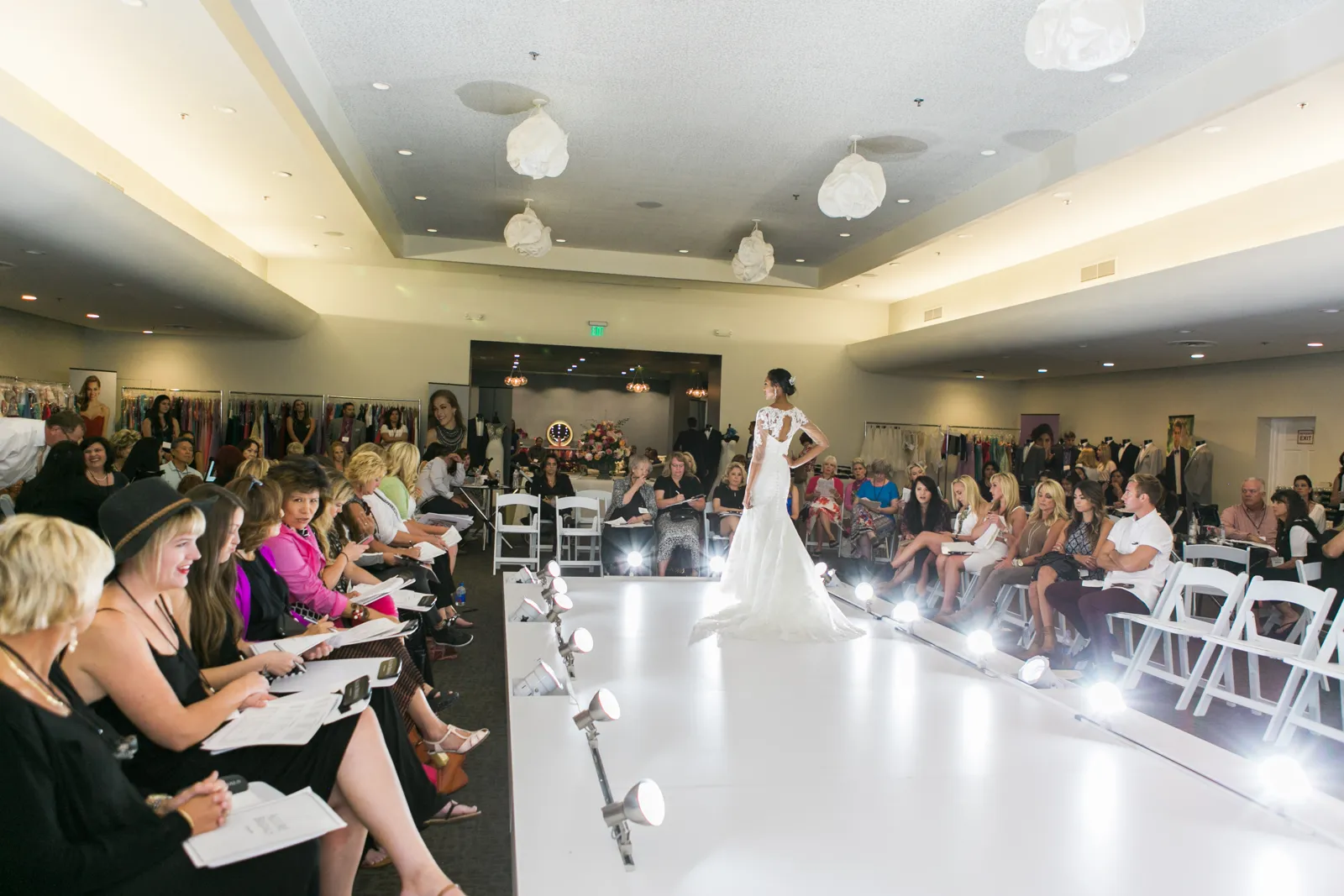
A couple walks into your gallery, warehouse or theater on a Tuesday afternoon and asks if you do weddings. You have the room, the light and the character they want. What you may not have is a bridal suite, a ceremony plan, a catering kitchen or a list of vendors who know your loading dock.
Weddings can be some of the best revenue on a non-traditional venue's calendar, and they are also the most emotionally loaded events you will host. Getting them right takes a little setup before you say yes to the first one.
How Do You Host Weddings at a Non-Traditional Venue?
To host weddings at a non-traditional event venue, add what purpose-built wedding venues provide by default. That means a private getting-ready space, a plan for ceremony and reception in one room or two zones, a staging area for catering, enough restrooms and climate control, a vetted vendor list with clear rules, and a written timeline with a hard music curfew, all sold as a clear package.
Why Couples Book Non-Traditional Wedding Venues
Couples choose lofts, breweries, studios, museums and theaters because they want a wedding that feels like theirs. These spaces photograph well, give a blank canvas for design, and often allow more vendor freedom than a hotel or banquet hall.
They also come with more questions. Couples and planners want to know what is included, what they need to rent, and whether the space has hosted a wedding before. Your job is to make an unusual space feel easy to plan.
What a Non-Traditional Venue Needs to Add for Weddings
Walk your space as if you were the couple, the caterer and the photographer. Most venues find gaps in the same places.
- A private getting-ready room with mirrors, outlets and good light
- A catering staging area with power, water and a path to the floor
- Restrooms for the guest count, commonly one per 50 to 75 guests
- Heating or cooling that holds up with 150 people dancing
- Storage for tables, chairs and decor between setup and teardown
If you cannot build a getting-ready room, partner with a nearby hotel or studio and say so up front. If there is no kitchen, require caterers who are used to working from a staging area with portable equipment.
Plan the Ceremony and Reception Flow
Many non-traditional venues have one main room. That means either a ceremony elsewhere, a ceremony in one zone and dinner in another, or a full room flip during cocktail hour.
A full flip of 150 chairs into dinner tables commonly takes 45 to 60 minutes with a trained crew of six to eight people. It only works if cocktail hour happens in a separate space guests can move to, like a lobby, patio or second room. Draw the flow on a floor plan and time it once with your crew before you sell it.
Set Vendor Rules and Requirements
Weddings bring more outside vendors through your door than almost any other event type. A short list of rules protects the building and the evening.
Put requirements in writing for every vendor, including proof of insurance, arrival windows, how decor can attach to walls and ceilings, and policies on open flame, confetti, fog machines and rigging. Decide whether you require a licensed caterer and a professional planner or day-of coordinator. Many non-traditional venues do, because the venue team cannot run a wedding timeline and the building at the same time.
Alcohol service, temporary event permits and occupancy limits depend on your city and state. Confirm what your venue needs with your local licensing authority, fire marshal and insurer before booking weddings, especially if your space is zoned or licensed for another primary use.
Price Weddings as Clear Packages
Couples compare venues on what is included. A package that bundles the rental window, tables and chairs, setup and teardown, and a venue manager on site is far easier to say yes to than a bare rental and a list of extras.
Price by day of week. A creative venue might charge $8,000 for a Saturday, $6,000 for a Friday or Sunday, and $3,500 to $4,500 for weekdays, with a 10 to 12 hour access window. Add a cleaning fee, a security deposit and optional add-ons like rehearsal time or extended hours.
Open up the past three months of wedding inquiries and record guest count, day requested and whether each one booked. If most couples ask about Saturdays and leave when they hear the price, a stronger Friday or Sunday package may fill more dates than a discount would.
Coordinate the Wedding Day
Schedule a final walkthrough two to four weeks before the date with the couple and their planner. Confirm the timeline, floor plan, vendor arrival times, final headcount and curfew, then share one written version with every vendor.
On the day, assign one venue lead who knows the building, holds the timeline and has authority to make calls. Track every wedding's contract, payments, floor plan and vendor details in one place. Venues using ShoSoft keep bookings, contracts, invoices and staffing in a single system, which helps when three weddings are in planning at once.
Run One Wedding Before You Market Weddings
Host one wedding with a planner you trust, take notes on everything that slowed the day down, and fix those gaps before you put weddings on your website.
A non-traditional venue earns its wedding reputation one smooth timeline at a time.
Frequently Asked Questions
Are non-traditional wedding venues cheaper than traditional ones?
The rental fee is often lower, but the total cost can be similar. Non-traditional venues frequently require couples to bring in caterers, bar service, rentals and lighting that a banquet hall would include. Couples who already plan to hire their own vendors usually come out ahead. Venues help by publishing a realistic all-in estimate alongside the rental price.
Do I need special permits to host weddings at my venue?
Possibly. Requirements depend on your city, state and how your building is zoned and licensed. Common items include an assembly occupancy permit, temporary or catering alcohol permits, and sometimes a special event permit for amplified sound or outdoor ceremonies. Check with your local building department, licensing authority and insurer before booking your first wedding.
Should my venue require couples to hire a wedding planner?
Many non-traditional venues require at least a professional day-of coordinator. Without one, venue staff end up running the timeline, cueing vendors and managing family logistics, which pulls attention from the building and other events. A requirement in the contract sets expectations early and usually makes the day smoother for the couple too.
How far in advance do couples book non-traditional wedding venues?
Many couples book 9 to 15 months ahead, and peak Saturdays in spring and fall often go first. Weekday and off-season dates book on shorter timelines, sometimes three to six months out. Holding a clear calendar with first and second holds helps you manage interest on popular dates without losing other couples.