Conference planners are increasingly open to venues that are not hotels. Creative spaces, performing arts centers, campuses and converted industrial buildings give attendees something to remember, and they often come without the room block commitments that make hotel contracts risky.
The catch is that a hotel solves a dozen problems by default, and an independent venue has to solve each one on purpose. Planners know this, which is why the first questions on a site visit are rarely about the main room. They want to know where people will sleep, how lunch will work and whether the WiFi will hold up.
How Do You Host a Conference at a Non-Hotel Venue?
To host a conference at a non-hotel venue, solve the four things hotels bundle automatically. Arrange courtesy room blocks at one or two nearby hotels, plan plenary and breakout space so sessions turn in 10 to 15 minutes, line up catering that can serve a full lunch in under 45 minutes, and provide dense WiFi, power and in-room AV in every session space.
Why Planners Choose a Non-Hotel Conference Venue
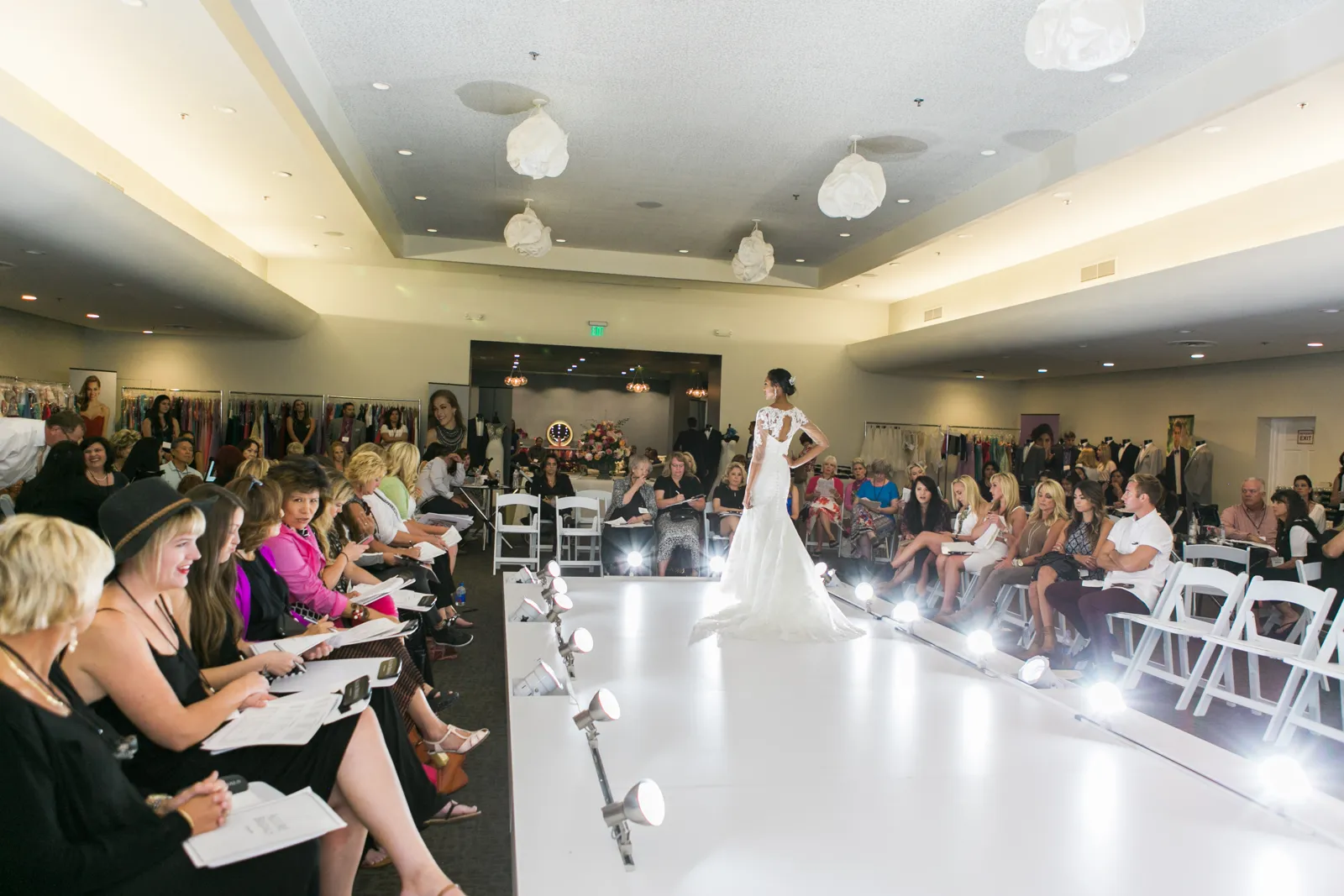
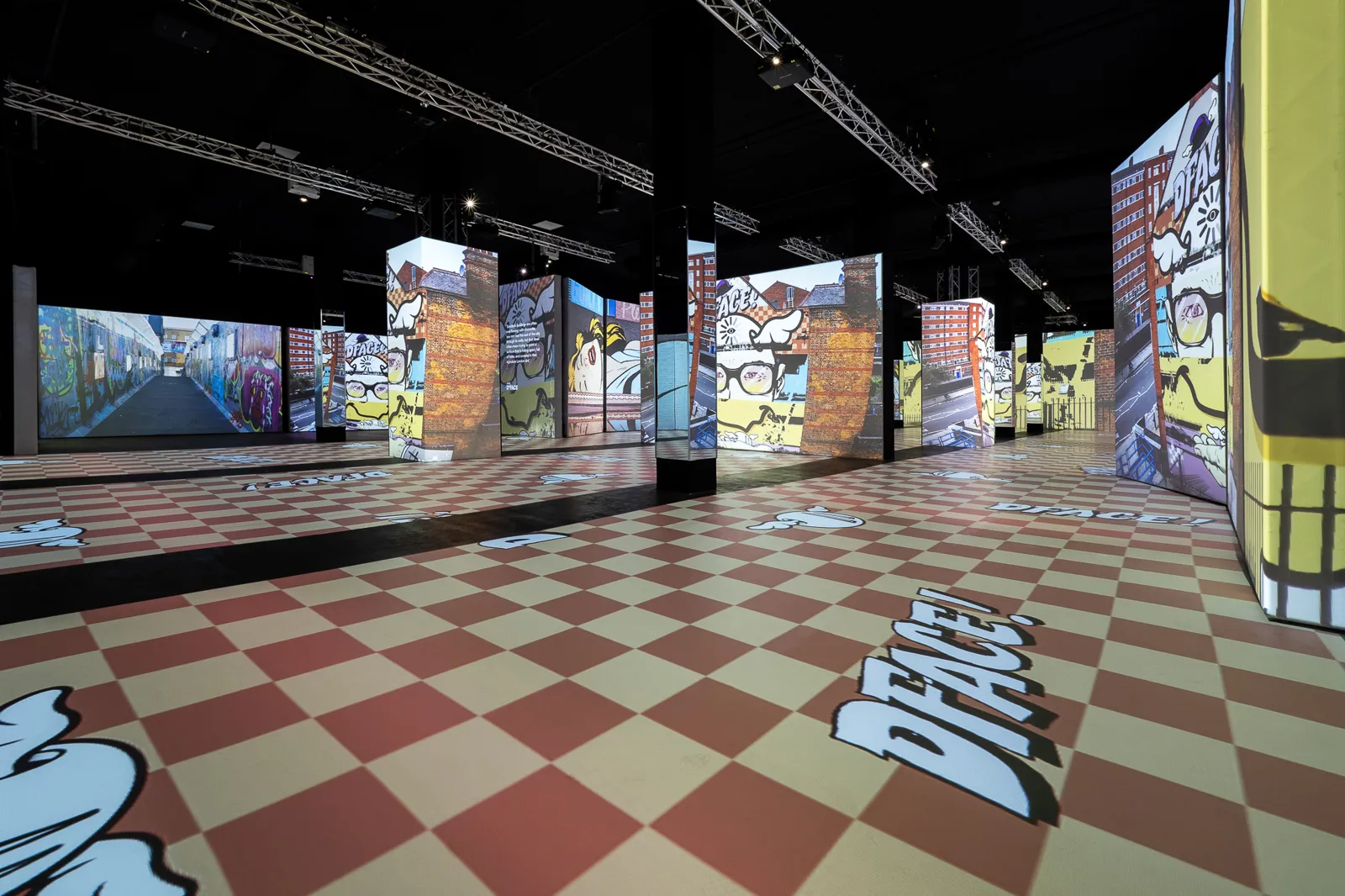
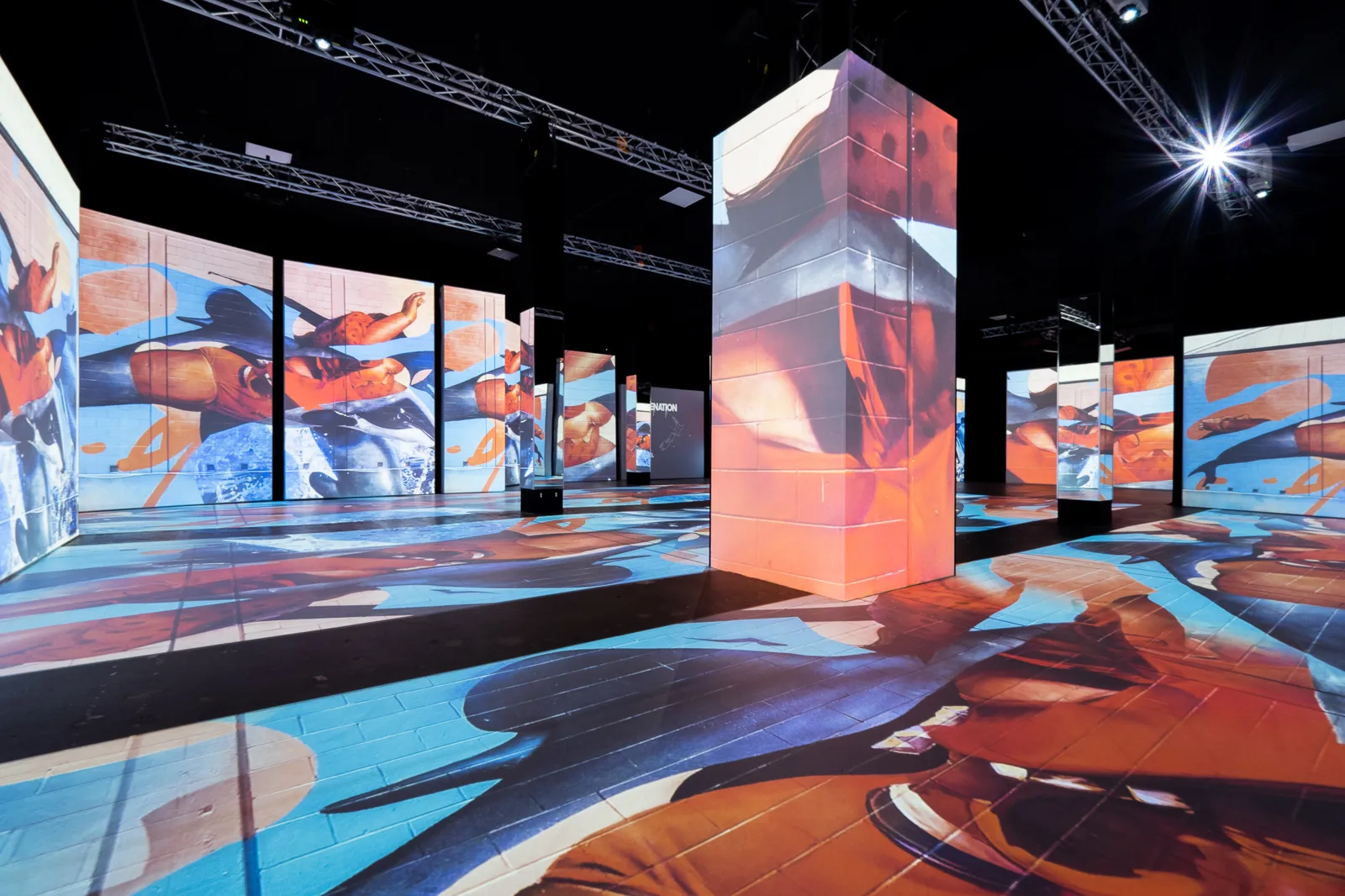
Planners pick independent venues for character, flexibility and cost control. A warehouse or theater gives an event an identity that a ballroom rarely does. Many non-hotel venues also allow outside catering, avoid room block attrition entirely, and let the planner build the day around the program instead of around a hotel's banquet menu.
Lead with those advantages in your proposal, then answer the worries before the planner raises them. A one-page conference fact sheet covering lodging, capacity by room, catering options, AV inventory and bandwidth will do more to win the deal than any hero photo.
Solve Lodging With Partner Hotel Room Blocks
Lodging is the first objection on any multi-day conference. The fix is to build relationships with one or two hotels within a 10-minute walk or short shuttle ride, before a planner ever asks.
- Agree on courtesy blocks with no attrition for the planner
- Get a group rate valid three days before and after the event
- Confirm a shuttle option if the walk is over 15 minutes
- Share the hotel contact and booking link in your proposal
Some hotels will offer a commission or rebate on rooms picked up, which can go to the planner or offset shuttle costs. Either way, a ready answer on lodging signals that your venue has done this before.
Plan Space for Plenary, Breakouts and Expo
Conference layouts are tighter than social events. A theater-style general session commonly needs about 8 to 10 square feet per person, while classroom seating with tables needs closer to 18 to 20. Breakout rooms should seat roughly a third to a half of attendees at once, split across three to five rooms for most independent conferences.
Map every space the day will use, starting outside the main room. Planners will ask about registration, a sponsor or exhibitor area, a speaker green room, a quiet or nursing room, and coat and bag storage. Time the walk between the plenary and the farthest breakout, because a 10-minute transition fails if the walk takes six.
Take the last three months of conference and corporate inquiries and list every one you lost or declined. If the same gaps come up, such as no breakout rooms or not enough power, those are the investments that will pay back fastest.
Feed a Full Conference Day
A conference day usually means breakfast, a morning break, lunch, an afternoon break and sometimes a reception. Lunch is the pressure point, since the program only allows 60 to 75 minutes.
Plan one buffet line for every 75 to 100 guests, use double-sided lines for anything over 150, and put beverage stations away from the food. Boxed lunches or plated service can work better for rooms that need to flip quickly.
Many non-hotel venues package all of this into a day delegate rate, a per-person daily price covering space, standard AV, breaks and lunch. Rates vary widely by market, commonly $75 to $175 per person per day. A 250-person, two-day conference at $110 per person brings in $55,000 before receptions, extra AV or exhibitor revenue.
WiFi, Power and AV for Conferences
Conference attendees arrive with two or three devices each, and speakers often stream or run cloud-based slides. Plan dedicated bandwidth for the event, access points rated for high-density crowds, and a separate network for speakers and production. Many planners ask for a minimum of 1 to 2 Mbps per attendee, so check what your circuit can actually deliver at full occupancy.
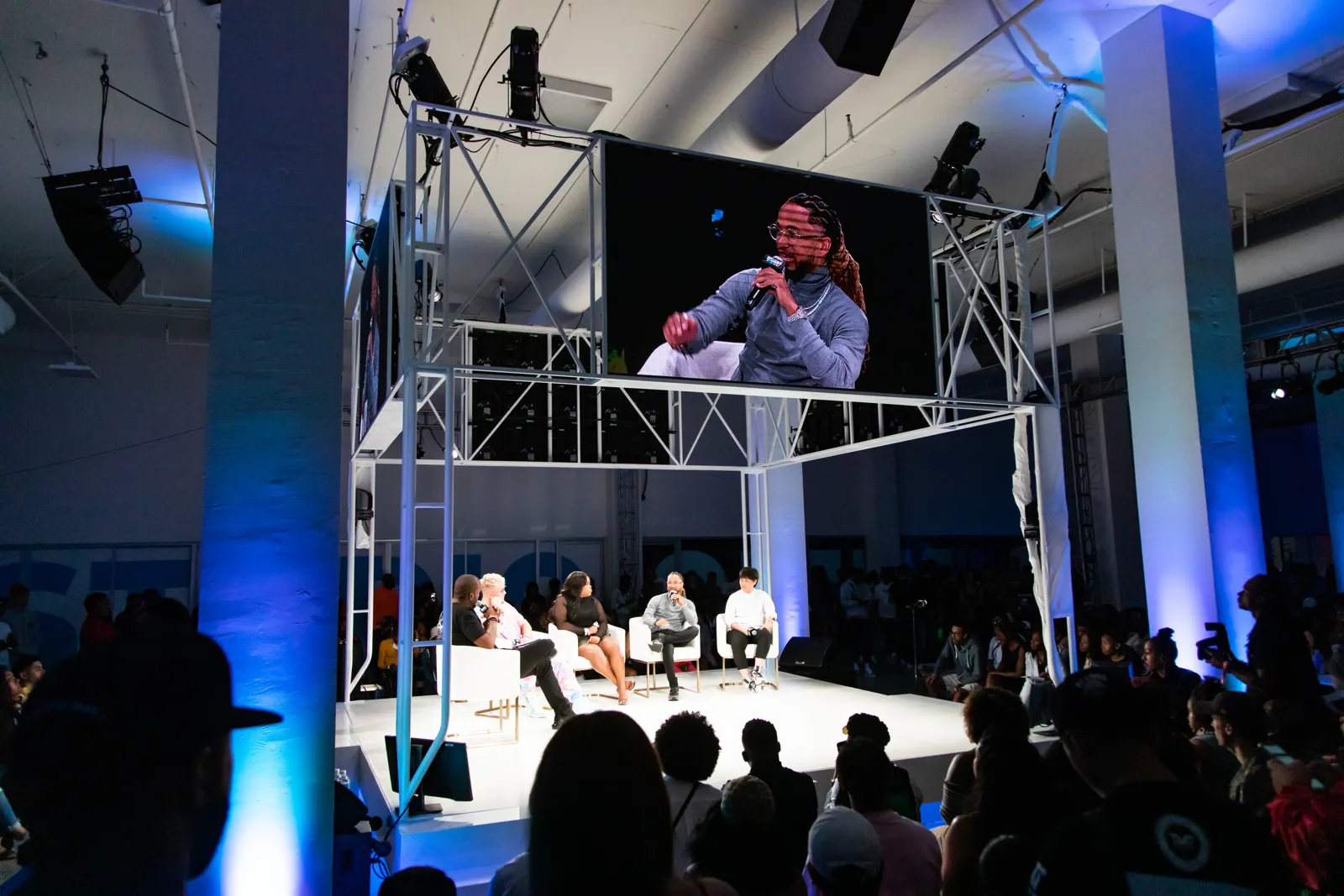
Every session room needs a screen or projector, a podium mic, a wireless handheld for questions, and confidence monitors or a timer for speakers. Add power strips at tables in classroom setups. If you rely on an AV partner, include their pricing and contact in your fact sheet so the planner can budget early.
Run the Day Like a Hotel Would
Hotels give planners one convention services manager and one banquet event order per function. Match that. Assign one point of contact, confirm every function on a written order, and walk the planner through the run of show 48 hours before load-in.
On the day, staff registration for a rush in the first 30 minutes, post signage at every turn, and reset breakouts during the plenary. Track every change in one shared system. Venues using ShoSoft keep the calendar, quotes, contracts and invoices for each conference in one place, so a late headcount change reaches catering, staffing and billing at once.
Build Your Conference Fact Sheet
Write the one-page fact sheet this week, covering lodging partners, room capacities, catering options, AV and bandwidth. Then send it with every corporate inquiry.
Planners book the venue that has already answered their next three questions.
Frequently Asked Questions
Is it cheaper to host a conference at a non-hotel venue?
Often, but not always. Non-hotel venues usually avoid room block attrition and may allow outside catering, which can lower food and beverage costs. Planners do need to budget for items a hotel bundles, such as AV rental, shuttles and furniture. For small to mid-size conferences, the total commonly comes out similar or lower, with less financial risk if attendance falls short.
How many breakout rooms does a conference need?
Most conferences need breakout seating for about a third to a half of total attendees at the same time. For a 200-person event, that usually means three to five rooms seating 25 to 60 people each. Multi-track programs need more, and workshops with hands-on activities need larger rooms per person than lecture-style sessions.
Do non-hotel venues charge attrition on conference bookings?
Attrition clauses mostly apply to hotel room blocks and catering minimums. Non-hotel venues typically charge a rental fee or day delegate rate tied to a guaranteed headcount, with a final guarantee due one to two weeks out. If attendance drops below the guarantee, the planner usually pays the guaranteed amount, so the clause works much like attrition on food and beverage.
What should a conference venue fact sheet include?
A conference fact sheet should list capacity for every room by layout, partner hotels with distance and rates, catering options and service times, standard AV per room, available bandwidth, accessibility features, parking and transit, and load-in details. Keep it to one or two pages so a planner can compare it directly against a hotel proposal.