Most venue tours end the same way: the client says “we’ll be in touch,” and you say “sounds great.” Then you wait. And wonder. And eventually send an email that starts with “just checking in”, which, if you’ve ever been on the receiving end of, you know is not exactly compelling.
The follow-up after a venue tour is one of the highest-leverage moments in your sales process. You’ve already done the hard part, getting the prospect in the door, showing them the space, making the case in person. The follow-up is where you either close the gap or lose the booking to whoever follows up more effectively.
Send the First Follow-Up Within 24 Hours
Speed matters here. A follow-up email sent the same afternoon or the next morning lands when the tour is still fresh, the client remembers what they liked, what they weren’t sure about, and what questions they forgot to ask. An email sent three days later lands in a cold inbox alongside four other venue inquiries they’ve since received.
Keep this first message short. Thank them for coming in, reinforce one specific thing that resonated with them (if you paid attention during the tour, you know what lit them up, the lighting in the main hall, the private bridal suite, the A/V setup), and close with a clear next step. Not “let me know if you have questions.” A real next step: “I can hold your date for 72 hours while you review the proposal, just say the word.”
Don’t attach the full proposal in the first email unless you already discussed pricing during the tour. The first follow-up is about connection and momentum, not paperwork.
Personalize It Around What They Actually Said
Generic follow-ups get generic responses, which usually means no response at all. A follow-up that references something specific from the conversation signals that you were listening and that you actually want their business, not just any booking.
If they mentioned they’re planning for 120 guests and weren’t sure the space would feel full, address it directly: “For a 120-person seated dinner, we typically recommend the east room with round tables, it fills beautifully without feeling crowded. I’ve attached a photo from a recent event with a similar setup.” That kind of specificity is rare and genuinely useful. It also moves the decision forward.
If they raised an objection (price, availability, a feature they weren’t sure about), name it in the follow-up and address it. Clients who feel heard are more likely to keep engaging than clients who feel like they’re being processed.
Time Your Second Follow-Up Carefully
If you don’t hear back after the first follow-up, a second one is appropriate, but timing it right is everything. For clients who told you during the tour that they’re deciding within the week, follow up in three to four days. For clients who mentioned they’re still six months out and comparing options, give it a full week before following up again.
The second follow-up should add something, not just repeat the first one. A new piece of information (“we just opened up an additional Saturday in September”), a useful resource (“I wrote a quick breakdown of what to ask every venue before you book”), or a soft deadline (“our peak weekend inventory is filling up for fall, happy to hold your date if you’re close to deciding”).
What it should not be: “Hi, just wanted to follow up on my previous email.” That adds nothing and trains clients to ignore you.
Know When to Stop
There’s a point where continued follow-up stops being helpful and starts being noise. A general rule: three follow-ups across two weeks is the limit for a prospect who hasn’t responded. After that, one final email that explicitly opens the door for them to come back when they’re ready (“no pressure, if the timing isn’t right, I hope we get to work together in the future”) is often more effective than a fourth check-in.
Clients who genuinely weren’t ready sometimes come back months later. Clients who felt hounded don’t. A graceful exit leaves the relationship intact.
Use a Simple System So Nothing Falls Through
The biggest reason venue operators lose bookings post-tour isn’t that they followed up poorly, it’s that they forgot to follow up at all. When you’re running a full event schedule, a tour from Tuesday morning can easily disappear under everything else by Thursday.
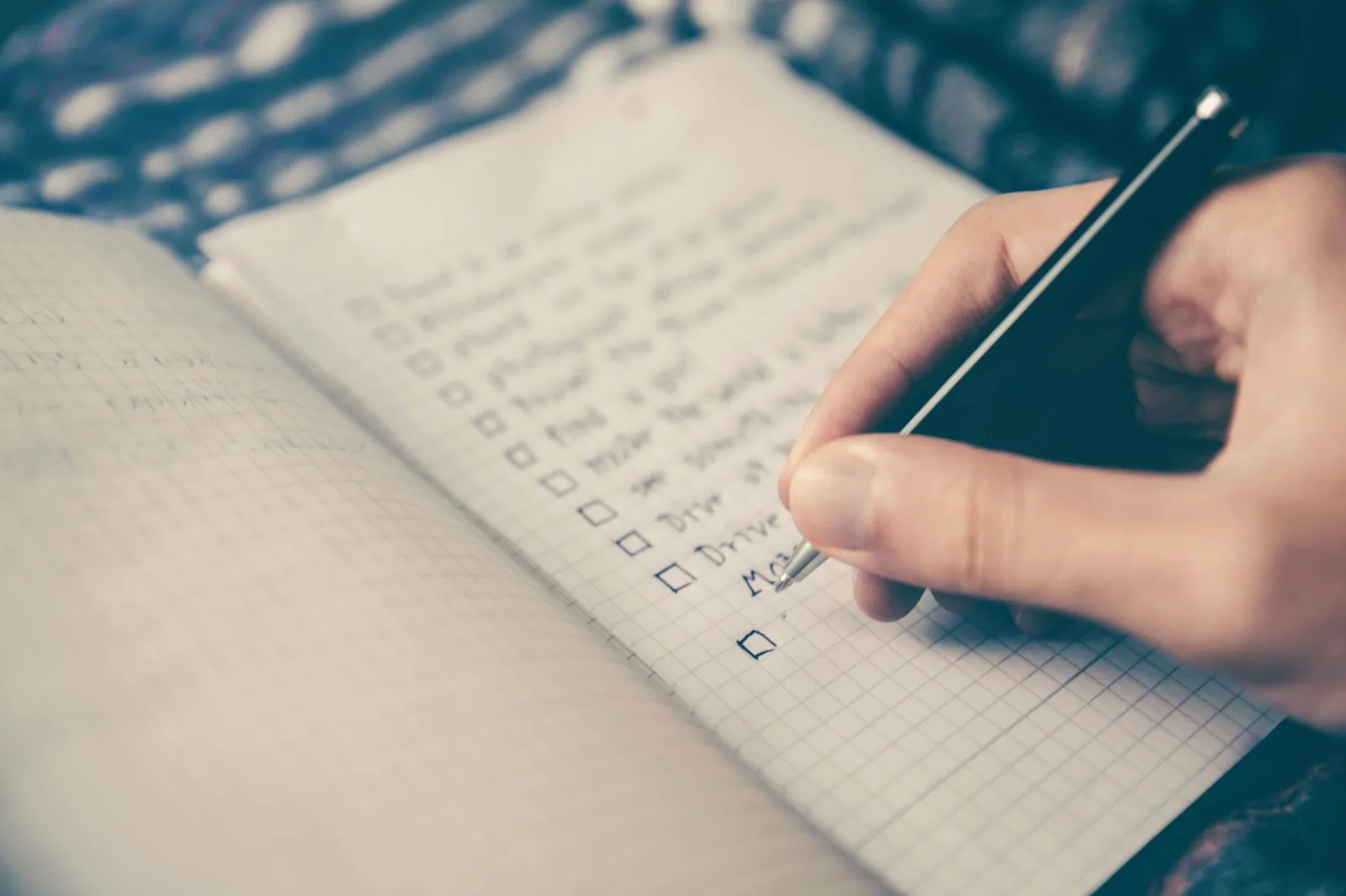
A basic system fixes this. Add a follow-up task to your calendar immediately after every tour, before the client even leaves the building. Set reminders for days two and seven post-tour. If your venue management software tracks leads, use it. If it doesn’t, a simple shared spreadsheet with tour date, follow-up status, and notes is enough to make sure no inquiry goes cold by accident.
Closing Thought
The best follow-up sequences don’t feel like follow-ups at all, they feel like helpful communication from someone who genuinely wants the event to go well. That’s the bar to aim for: useful, specific, and timed well enough that the client thinks “oh right, I need to get back to them” rather than “ugh, another email.”