
The average couple tours four or five venues before booking. Most of those venues are forgettable. The one that gets the booking is almost never the most beautiful room in the batch, it’s the one that made the couple feel like their event was already in good hands.
What couples want from a wedding venue in 2026 has shifted in some important ways. They’re more researched, more budget-aware, and more skeptical of polished marketing than couples were five years ago. They’re also willing to pay a premium for venues that get a few things right that most don’t.
Transparency Before the Tour
Couples today do not want to jump on a call to get a price range. They’ve seen enough venue websites that bury the numbers to know it’s a signal, and not a good one.
A pricing page doesn’t need to be a full rate card. But a landing page that gives an honest range, clearly explains what’s included, and links to a simple inquiry form converts at dramatically higher rates than a page that ends in “contact us for pricing.” Couples who arrive at your venue already knowing your range are qualified leads. Couples who arrive without that context often don’t book.
This extends to reviews. Couples are reading your Google and WeddingWire reviews with more scrutiny than before, not looking for perfection, but looking for how you handle problems. A venue with 40 reviews, two of which are critical, and thoughtful management responses to those two, looks more trustworthy than a venue with 100 glowing reviews and no sign that a human is behind the listing.
Flexibility as a Real Feature, Not a Talking Point
“We’re flexible” has become meaningless on its own. What couples actually want is flexibility that’s defined, documented, and priced. Can they bring their own caterer? What’s the rate for extended access? Are there restrictions on décor vendors, open flames, or live music past midnight?
The couples who are most engaged during the tour are almost always asking these questions. They’ve already toured venues that dodged the answers with “it depends” or “we’ll work something out.” What they want, what closes bookings, is a venue that can say: yes, outside caterers are allowed, with a $300 buyout fee; yes, you can bring in a florist, here’s what they need to know about load-in; yes, the bar can run until 1am with an extended access fee of $150/hour.
When you’ve formalized your flexibility, you stop giving it away for free and start letting it work as a selling point. The clients who care most about that flexibility are also the ones most willing to pay for it.
Vendor Relationships That Actually Help
Couples don’t want to plan a vendor list from scratch. They want to know who you trust and why.
Your preferred vendor list is more valuable than it used to be. The couples booking in 2026 are often overwhelmed by the number of choices available and highly attuned to the risk of booking someone untested. A short, honest preferred vendor list, here are three caterers we’ve worked with who know our kitchen and our timeline, solves a real planning problem.
What doesn’t work is a long, unvetted directory of vendors who paid to be listed. Couples can tell. And the vendor experience shows up in your reviews when a preferred caterer runs late or a “recommended” florist leaves a mess. Curate the list. Brief each vendor on your expectations. Update it annually. A preferred vendor program worth trusting is one of the clearest competitive advantages a wedding venue can build.
A Booking Process That Doesn’t Create Friction
One of the most consistent findings from conversations with venue operators is that couples who have a seamless booking experience, from first inquiry to signed contract to deposit, tell other couples about it. The ones who had to follow up three times, sign a PDF they had to print and scan, or wait a week for a proposal do not.
The bar for a smooth booking process has risen because couples now move through it as a comparison. They’re weighing your response time against competitors. They’re comparing your proposal clarity, your electronic signature process, and how quickly you answered their question about Sunday access.
Small friction points are easier to eliminate than most operators think. A same-day inquiry reply, a clear proposal template, and an e-signature that doesn’t require the client to create an account all create a disproportionate impression. Couples remember which venues felt easy to work with, and it informs the decision as much as the price.
What Couples Remember After the Tour
The tour is where weddings get booked or lost. But the mechanism isn’t usually what most operators assume.
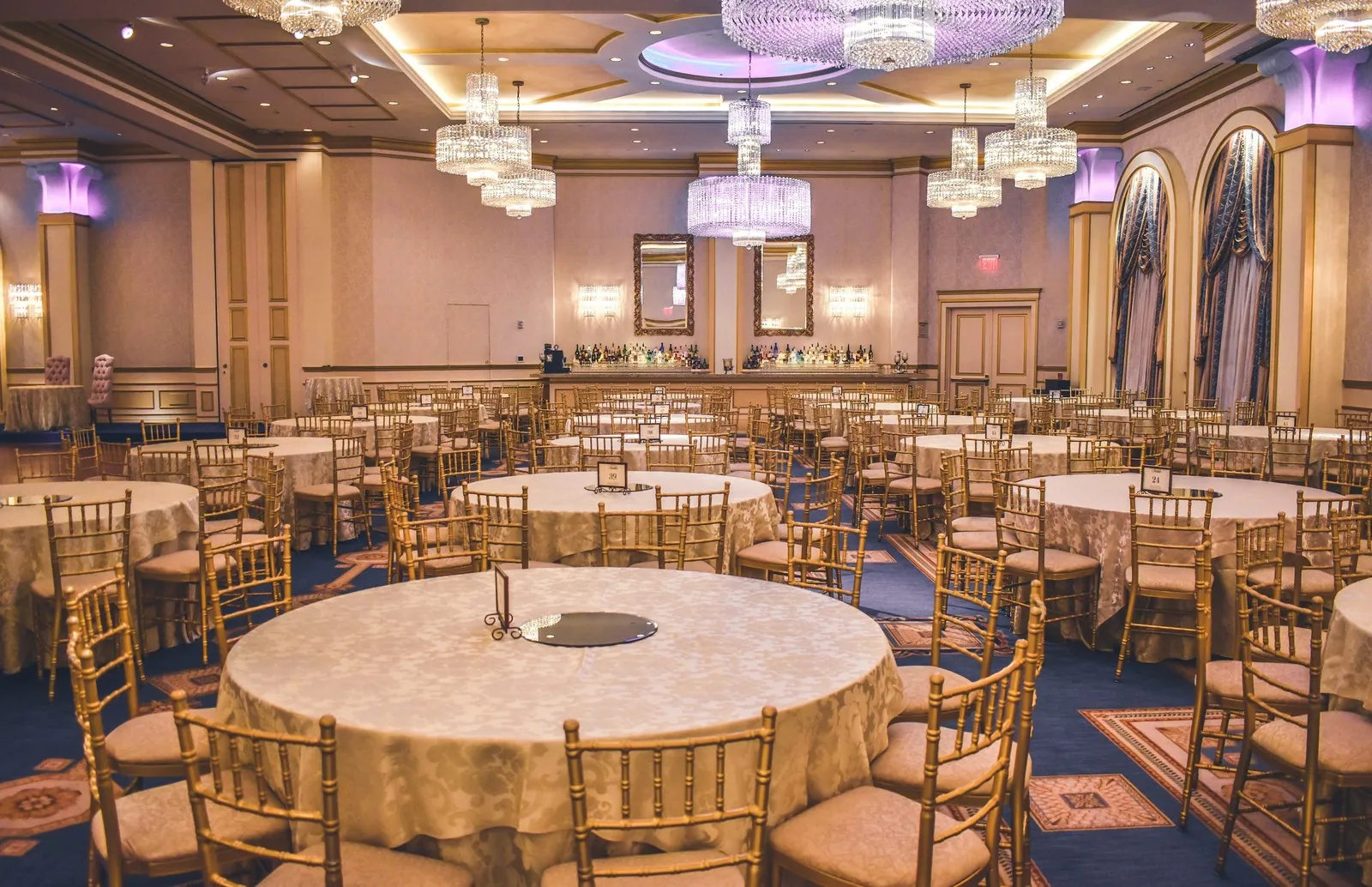
Couples don’t remember the chandelier. They remember whether the person who showed them around felt like someone they could call at 9pm the night before the wedding when the cake vendor is stuck in traffic. The venue that feels personal (where the tour guide remembered a detail from the inquiry, asked the right questions, and said “let me show you how we’d set this up for 80 guests” rather than pointing at an empty room) gets the booking.
That feeling of trust is built in small moments throughout the tour and follow-up. A same-day follow-up note that references something specific from the conversation. A proposal that opens with the event they described, not your standard rate card. A thank-you that sounds like it was written for them, not copied from a template.
Closing Thought
Couples in 2026 are booking venues based on trust more than aesthetics. The room has to be right, but the room alone isn’t enough. The venues winning the bookings are the ones that made the process feel easy, honest, and personal.