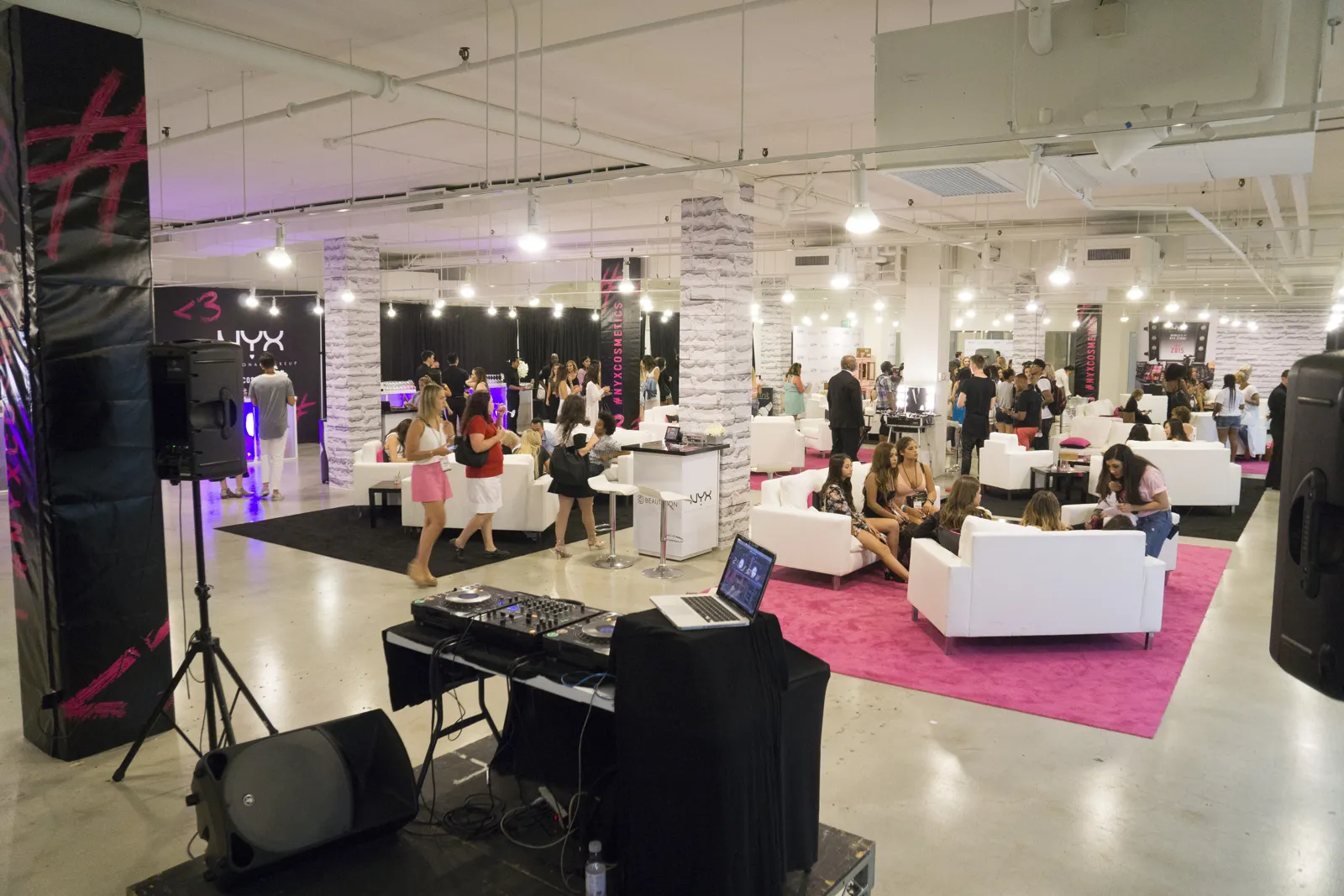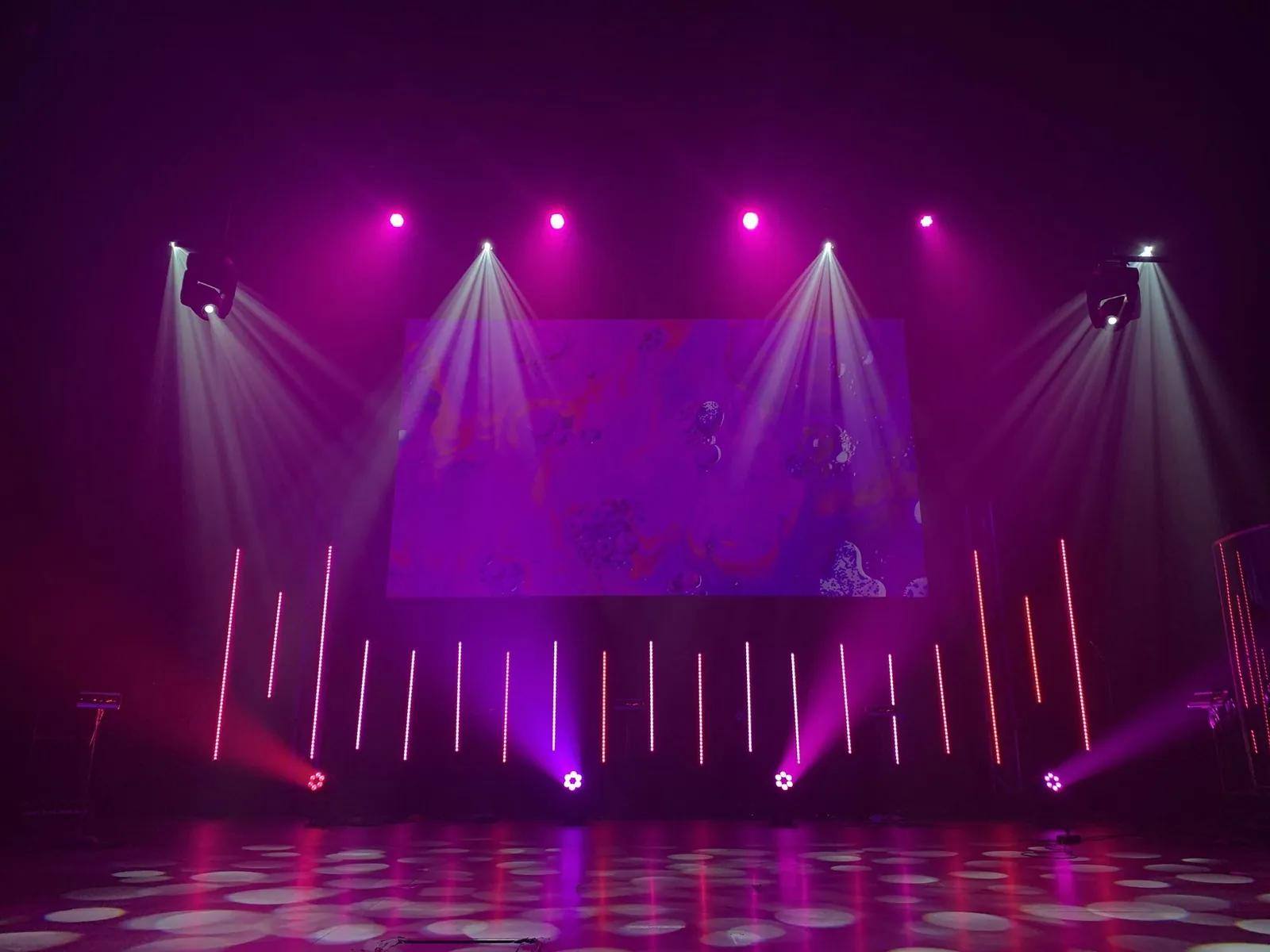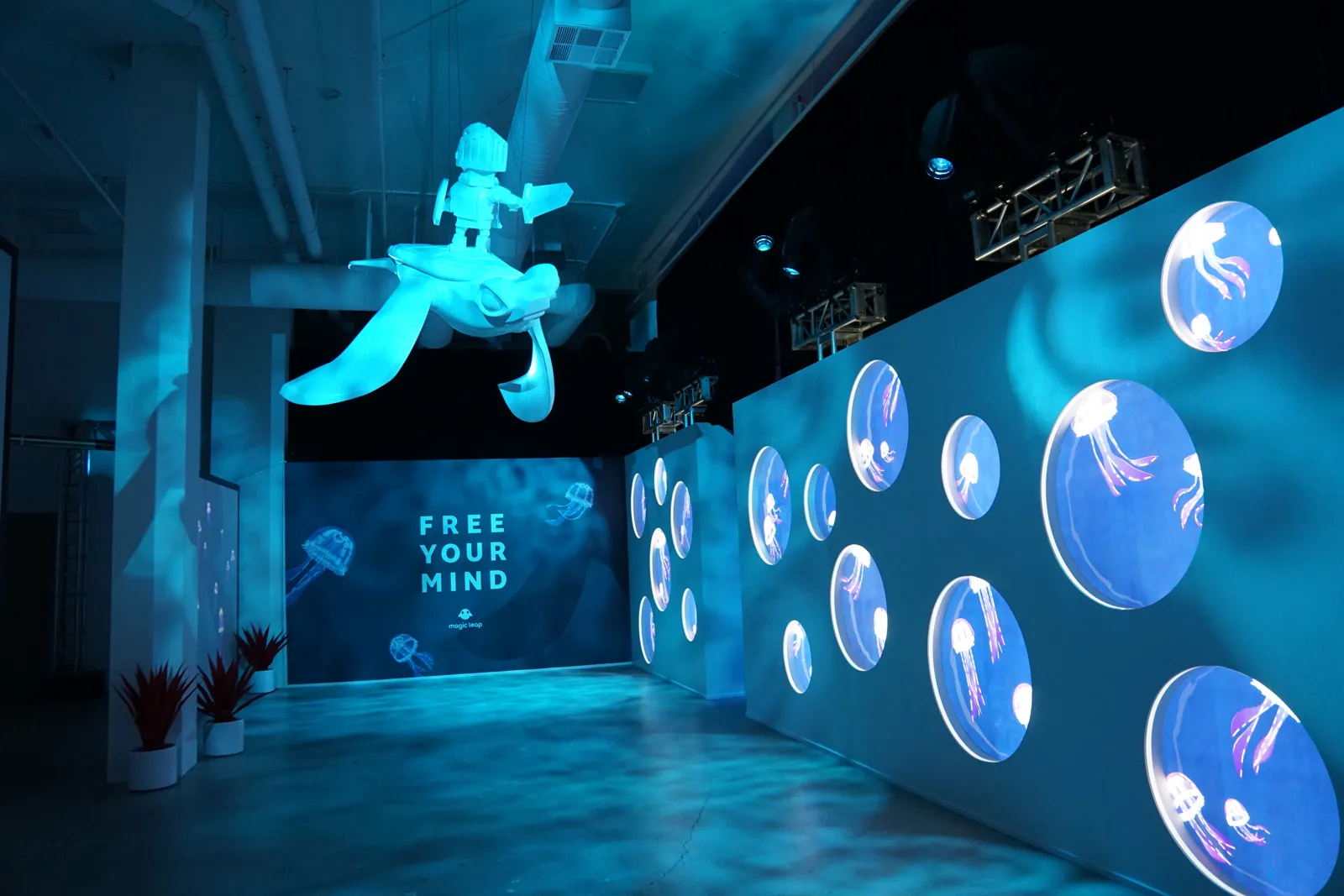
A beverage brand wants a three-day pop-up downtown. Its agency needs a space with high ceilings, a big door, real power and an owner who will let them build a set and repaint the walls. Most event venues never hear about the job, because they market themselves for weddings and conferences and the agency's producer has no reason to think of them.
Brand activations can be some of the most profitable bookings an independent venue takes. They use days most events leave empty, they come from agencies that book again and again, and the buyers care more about logistics than centerpieces. Selling to them takes a different pitch, a different price sheet and a few contract terms many venues do not have yet.
What Makes a Good Brand Activation Venue?
A good brand activation venue gives an agency a flexible open floor, enough ceiling height and power for a custom build, an easy load-in route for trucks and large pieces, and permission to transform the space for several days. Location and foot traffic matter for public pop-ups. Clear pricing for build, live and strike days and fast insurance paperwork matter for every one.
Who Books Brand Activations and How They Buy
Most activations are booked by experiential marketing agencies, PR firms and in-house brand marketing teams, often with a production company handling the build. The person who contacts you is usually a producer with a tight timeline, a list of five to ten candidate spaces, and a client who will approve the final choice from photos and a floor plan.
Producers move fast and buy on information. They need to rule your venue in or out in one pass, and they rarely tour a space that cannot answer the basic technical questions by email. Lead times commonly run four to twelve weeks, and sometimes less for a launch tied to a news date.
These buyers also come back. An agency that has a good experience will bring its next client, and the one after that, which is why the first activation is worth getting right even at a modest margin.
Build the Tech Pack Agencies Ask For First
The most useful sales tool for activations is a one or two page technical sheet. Send it with every reply and you will skip a week of back and forth.
- Floor plans with dimensions, ceiling heights and column locations
- Load-in details, including door sizes, dock or street access and freight elevator capacity
- Available power by area, in amps and voltage, and where it can be tied in
- Rigging points, weight limits and any restrictions on walls and floors
- Occupancy by room and which areas face the street
Measure your doors and freight elevator this week if you do not already know the numbers. A producer with a nine-foot set piece will not book a venue that has to go check. If your power is limited, say so and name the generator options past productions have used, since an honest limit builds more trust than a vague promise.
How to Price Build, Live and Strike Days
Activations hold the space far longer than the public sees it. A two-day pop-up can easily need two to four build days before it opens and one or two strike days after, and every one of those days is a day you cannot sell to anyone else.
Price each kind of day explicitly.
- Live days at your full day rate or higher, since they carry the most traffic and wear
- Build and strike days commonly at 50 to 75 percent of the live day rate
- Overnight or after-hours load-ins billed as overtime for venue staff
- A venue rep on-site for every build and strike day, billed hourly
- A refundable damage deposit sized to the build, often $2,500 to $10,000 or more
Here is how that adds up. A venue with a $6,000 day rate hosting a three-day activation with three build days and one strike day might quote $18,000 for the live days and $16,800 for build and strike at 70 percent, plus staffing and a deposit. That is close to $35,000 from one client in a single week, often during a stretch that would otherwise sit empty. Some venues offer a flat weekly buyout rate instead, which producers like because it is simple to approve.
Insurance, Permits and Protecting Your Venue
Activations bring more outside vendors and more physical construction than a typical event, so the paperwork deserves more attention.
Ask for a certificate of insurance from the agency and from each fabricator or production vendor working in the space, naming your venue as an additional insured. Many venues ask for general liability limits of at least $1 million per occurrence and $2 million aggregate, but the right limits depend on your own policy, so confirm them with your insurer. Temporary structures, events open to the public and street-facing signage can require permits or a fire marshal review, and those rules vary by city and state. Make the agency responsible for securing them, and check with your local building or fire authority when you are unsure.
Write a restoration clause into the contract so the agency returns the space as it found it, including repainting branded walls and removing every anchor and adhesive. Take dated photos at handover and again after strike so there is no argument about what was already there. Keep the contract, invoices and deposit tied to the booking itself, which is how ShoSoft organizes every event, so the final reconciliation takes minutes instead of a search through email.
Send Your Tech Pack to Three Agencies
Put your technical sheet together, write a rate for live, build and strike days, and find three experiential agencies that work in your city. Send each producer the sheet with a short note and two open weeks. Agencies are always looking for spaces like yours, and the venue that makes their job easy is the one they call again.