Pipe and drape is one of the most useful tools a venue can have. It turns an open hall into booth rows, hides a stack of chairs behind the stage, creates a backdrop for a head table or divides a room into a reception and a ceremony space. It is also easy to get wrong, with drapes that are too short, the wrong fabric for the job or a setup crew that underestimates how long it takes.
Knowing the standard sizes, fabrics and labor helps you quote it correctly and decide whether to own it or rent it.
What Is Pipe and Drape?
Pipe and drape is a modular system of weighted steel bases, vertical uprights and horizontal crossbars, with fabric panels hung from the crossbars to create walls, backdrops and dividers. Uprights and crossbars are usually adjustable, so the same kit can make low booth dividers or tall backdrops. It is used for trade show booths, room dividers, stage backdrops, masking and decor at events of every size.
Standard Heights and Widths
Pipe and drape is sized by the height of the uprights and the width of each crossbar section. Adjustable uprights cover a range of heights, and telescoping crossbars cover a range of widths.
- Low dividers, around 3 feet, for side rails between trade show booths
- Booth back walls, around 8 feet
- Room dividers and backdrops, often 8 to 16 feet
- Tall stage masking and ballroom backdrops, above 16 feet
- Crossbars commonly adjustable across several feet of width
Bases come in different sizes and weights, with taller uprights needing heavier bases for stability. Follow the manufacturer's guidance on base weight and maximum height.
Fabric Types
The fabric decides how the drape looks and what it is suited for.
Banjo is a lightweight polyester often used for trade show booths. It is affordable, durable and comes in many colors.
Poly premier is a heavier polyester with a nicer drape, used for backdrops and room dividers. Velour is heavy, light-absorbing and theatrical, used for stage masking and formal backdrops. Sheer voile is translucent and decorative, often used for weddings and lighting effects.
Drapes used at events typically must be flame retardant. Fire marshals often ask for a certificate showing the fabric meets the NFPA 701 standard. Keep certificates on file and check whether the treatment needs renewing after washing.
Common Uses at Venues
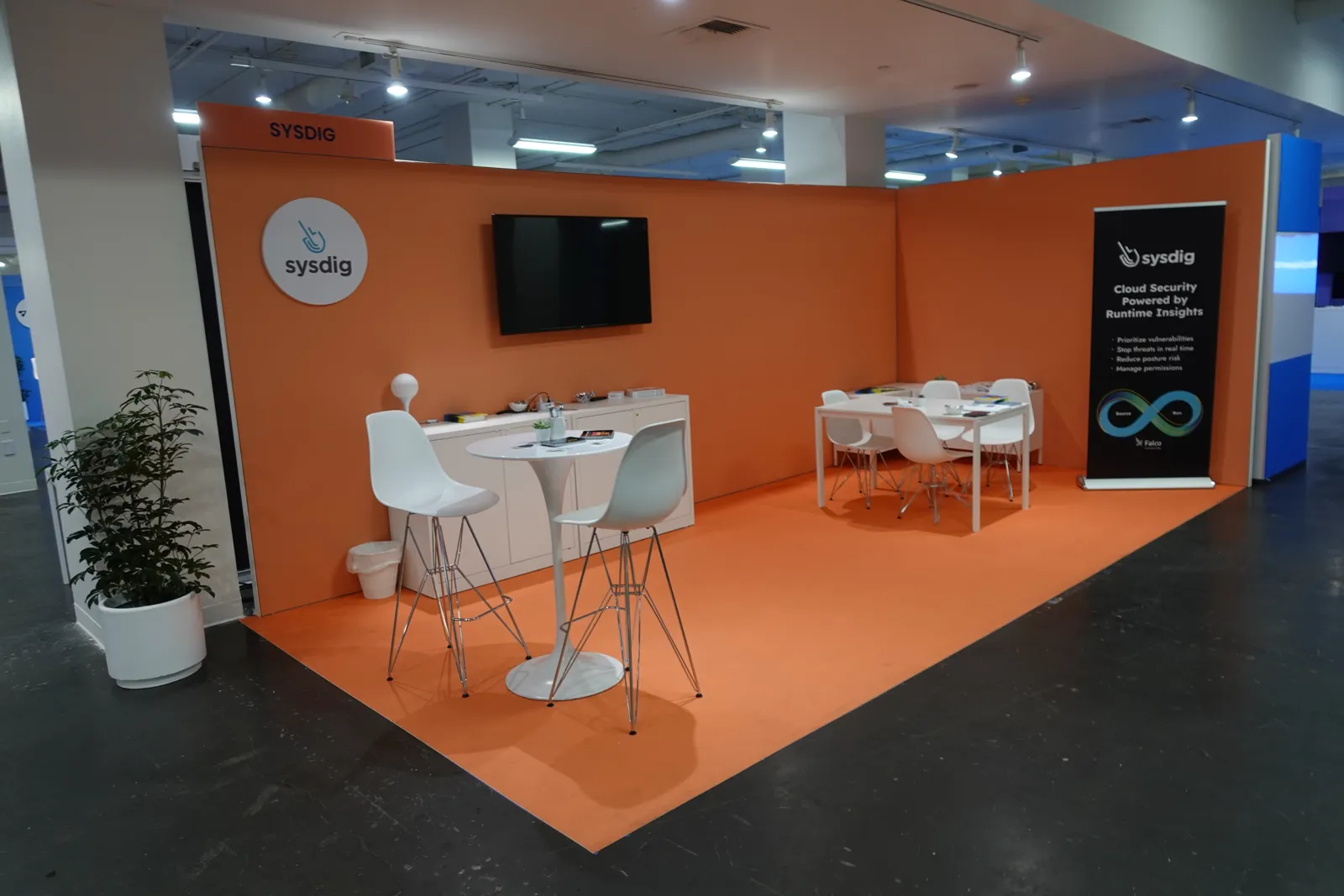
Trade shows use pipe and drape for booth back walls and side rails, creating rows of standard booths. Each exhibitor gets a defined space, and the organizer gets a clean, consistent look.
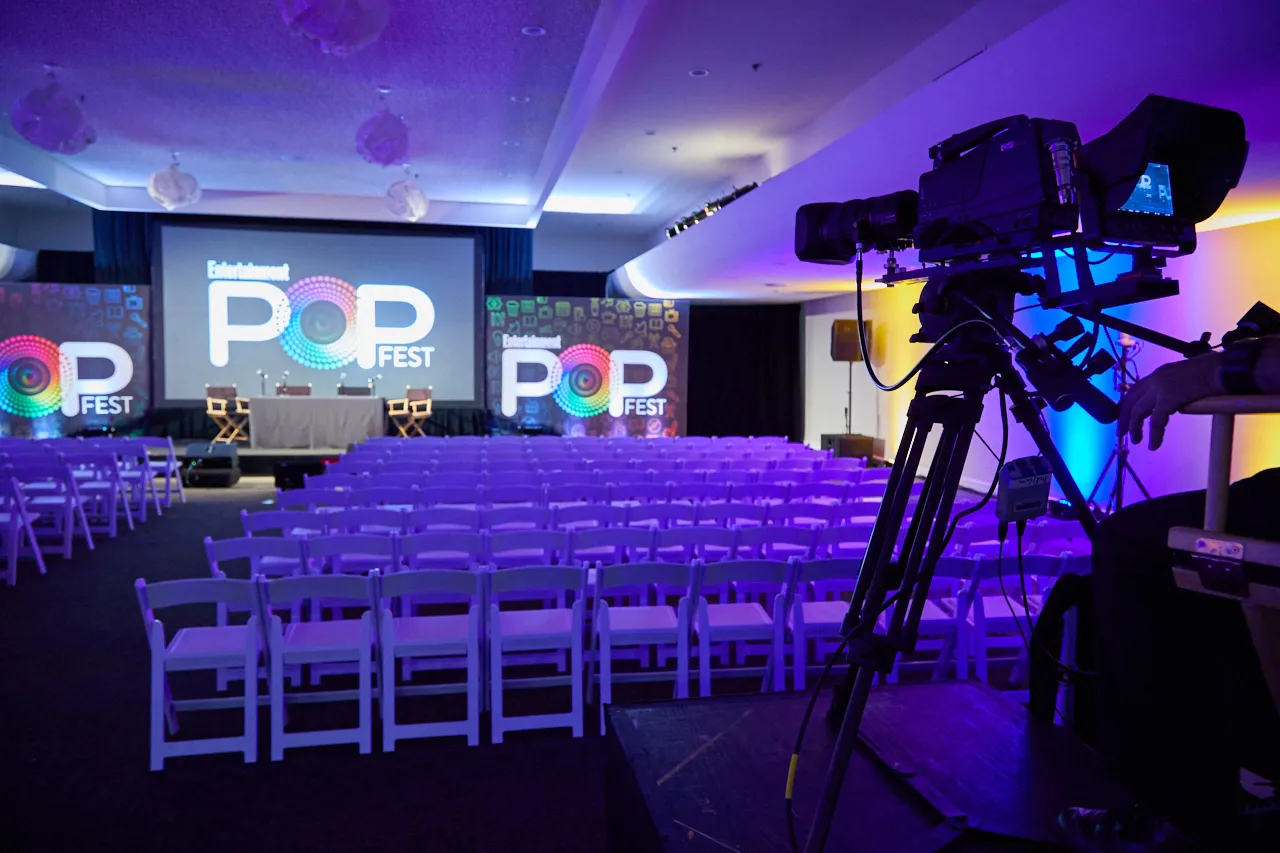
Social events use it for backdrops behind head tables and stages, to hide service areas and storage, and to divide large rooms into smaller spaces. Corporate events use it to frame stages, create breakout areas and mask the back of the room.
Setup Labor
Pipe and drape is quick to set when the crew knows the system, and slow when it does not. A simple booth row goes up much faster than a tall backdrop that needs a lift or ladder.
Plan the crew size, time and equipment for each setup. Tall drapes need two or more people, a ladder or lift and attention to stability. Check that bases are on a level floor, crossbars are secured, and nothing blocks exits, fire equipment or sprinklers.
Charge for labor as part of the setup fee or as a separate line, especially for large layouts or tall backdrops. Time a few setups with your own crew so the labor line reflects how long the work really takes in your rooms, including fetching the kit from storage and putting it away afterward.
Own Versus Rent
Owning pipe and drape makes sense when you use it often. Renting makes sense for occasional use, unusual heights or special fabrics.
Consider a venue that sets 60 linear feet of 8-foot black drape for about 30 events a year. If renting that amount costs $300 per event including delivery, the annual rental bill is $9,000. If buying a comparable kit costs $6,000, plus $500 a year for cleaning, storage and replacement, the purchase pays back in less than a year. A venue that uses drape five times a year would take much longer to recover the cost, and renting is likely better.
Use your own quotes from suppliers to run this comparison. Factor in storage space, cleaning, flame retardant renewal and crew time, which come with ownership.
Store and Maintain It
Store drapes folded or rolled in labeled bags by size and color, off the floor and away from moisture. Keep hardware sorted by component so a crew can find the right uprights quickly. Inspect bases and crossbars for bends and damage.
Clean drapes according to the fabric care instructions, and track whether cleaning affects the flame retardant treatment.
Audit Your Drape Use This Month
Count how many events used pipe and drape last year, how much was rented and what it cost. Compare that with the cost of owning a starter kit in your most common size and color. Add pipe and drape setups to your add-on list with clear prices and labor.
The right drape in the right height is what makes a room look intended.
Frequently Asked Questions
What are standard pipe and drape heights?
Common heights include about 3 feet for booth side rails, 8 feet for booth back walls and 8 to 16 feet or more for backdrops and room dividers. Adjustable uprights cover a range of heights. Check the manufacturer's limits for each base and upright.
Does pipe and drape need to be fire rated?
Event drapes typically must be flame retardant, and fire marshals often ask for a certificate showing compliance with NFPA 701. Requirements vary by jurisdiction. Keep certificates on file and track whether cleaning affects the treatment.
Is it cheaper to buy or rent pipe and drape?
It depends on how often you use it. Venues using it at many events a year often recover the purchase cost quickly, while occasional users usually save by renting. Compare annual rental costs with purchase, storage and maintenance.
What fabric is best for a backdrop?
Velour suits formal and theatrical backdrops, while poly premier offers a good drape at lower cost. Sheer voile works for decorative, lit backdrops. Choose based on the look, light and budget for the event.