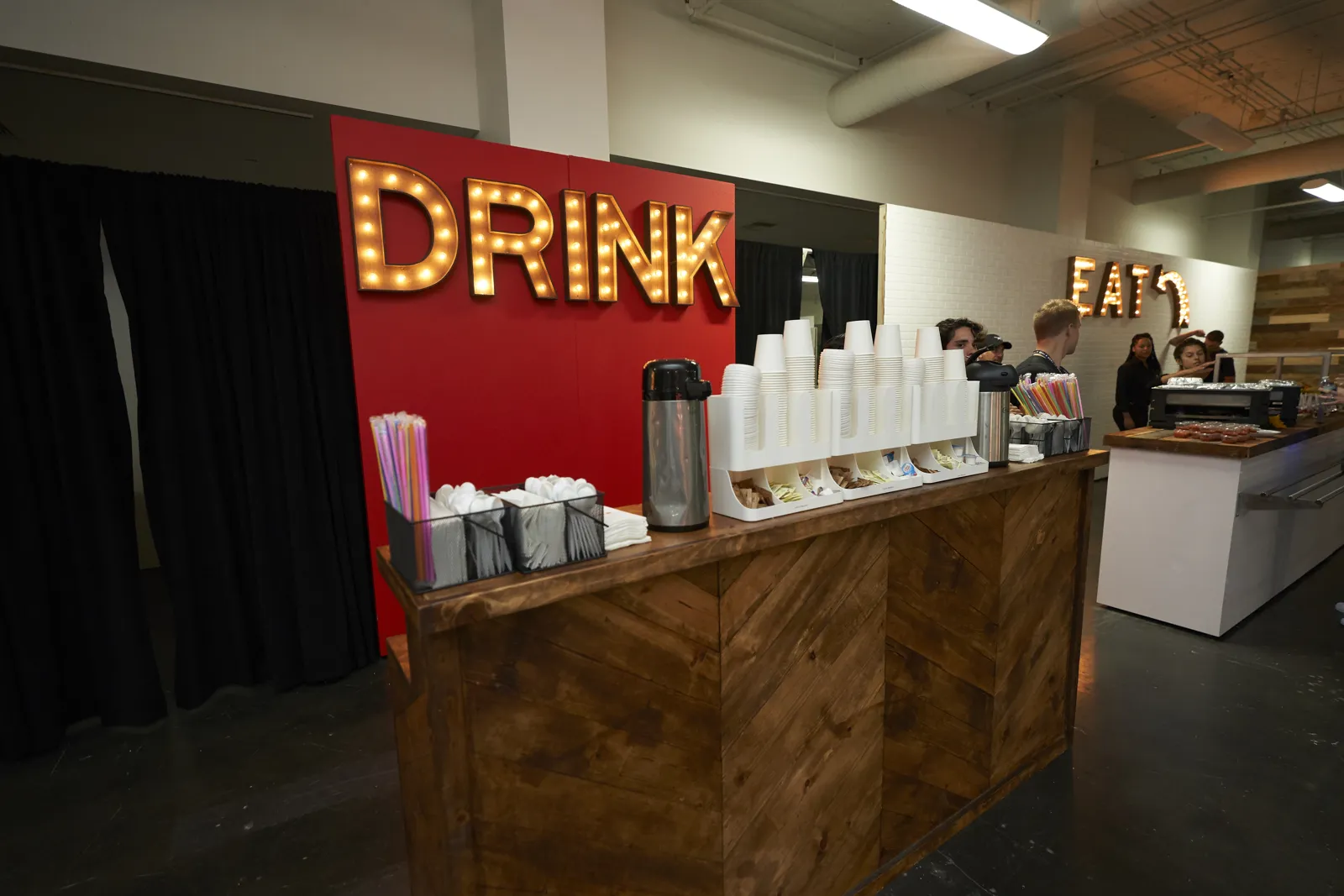
An event bar is harder to serve responsibly than a restaurant bar. Guests arrive in a wave, drink quickly in the first hour, move between bars and often have an open bar paid for by someone else. Bartenders and servers rarely know the guests, and they may only see each person for a few seconds at a time.
Staff who know how to check an ID, spot the signs of intoxication and refuse service calmly protect guests, the venue's liquor license and its insurance. That skill comes from training, and it fades without practice.
What Is Responsible Alcohol Server Training?
Responsible alcohol server training teaches bartenders, servers and managers how to serve alcohol legally and safely. It typically covers checking identification, recognizing intoxication, preventing over-service, refusing service, handling difficult situations and understanding the legal responsibilities of servers and the business. Many courses end with a test and a certificate, and some states and cities require certification for anyone who serves alcohol.
What Training Usually Covers
Course content varies by program and by location, but most cover the same core skills.
- Checking IDs, spotting fake or altered identification and handling refusals
- How alcohol affects the body and how intoxication shows in behavior
- Pacing service, counting drinks and slowing or stopping service
- Refusing service politely and handing off to a manager
- The legal responsibilities of servers, managers and the licensed business
Good training also covers documentation. When staff refuse service or deal with an incident, they should record what happened, when and who was involved, in case questions arise later.
How Certification Works in General Terms
Rules differ widely. Some states and cities require alcohol server certification for everyone who serves alcohol, some require it only for managers, and some leave it to the employer. Certificates usually expire after a set number of years and must be renewed. Several national programs exist, along with state-approved courses in places that require a specific one.
Check with your state liquor authority to find out what applies to your venue, which courses are approved and how long certificates are valid. Your insurer may also have requirements or offer better terms when staff are certified, so ask them too.
Why It Matters for Venues
Liquor laws in many places hold servers and businesses responsible for serving minors or visibly intoxicated guests. Depending on the location, consequences can include fines, license suspension and liability if a guest causes harm after leaving. Liquor liability insurance helps, but insurers may ask about training, and a documented training program shows the venue takes responsible service seriously.
Training also helps the event itself. Guests who are served at a sensible pace stay longer, enjoy the night more and cause fewer problems for staff and the client.
Event Bars Bring Specific Challenges
Training built for restaurant and bar staff needs a few additions for events.
- Open bars, where guests do not pay per drink and may order faster
- Guests who carry drinks between bars, so no one bartender sees the full picture
- Hosts who ask staff to keep serving a VIP or a family member
- Last call timing and the end of the event, when guests leave and some drive
Add these to your own briefing. Agree with the client in advance how staff will handle an intoxicated guest, who on the client side they should contact, and when the bar will close.
Practice Refusing Service
Refusing service is the skill staff find hardest, and it is the one courses can only describe. Practice makes it easier. During a training session or a quiet pre-shift, have staff take turns playing a guest who has had too much and a bartender who has to say no.
Give them simple language to use, such as offering water or food, telling the guest the bar can serve them a soft drink and calling the manager if the guest pushes back. Staff should never argue, lecture or embarrass a guest in front of others. A calm refusal handed off quickly to a manager keeps the bar moving and the guest's dignity intact, and the client will rarely notice it happened.
Build Refreshers Into Scheduling
Training once is not enough. Skills fade, rules change and staff turn over. Build responsible service into the routine of running events.
Give new bar staff training before their first shift, or schedule them only alongside certified staff until they are certified. Track certification expiry dates and plan renewals a month ahead. Hold a short refresher at the start of busy seasons, such as holiday parties and wedding season.
Pre-shift briefings are the most practical refresher. Before each event, the bar lead or manager spends two minutes on the crowd, the bar format, the ID policy, the client contact and when last call happens.
Write a Responsible Service Policy
Put your rules in writing. A short responsible service policy covers who may serve, what training they need, the ID rules, how to refuse service, when the bar closes and who decides. Share it with clients as part of your alcohol policy, and train every new hire on it.
Frequently Asked Questions
Is alcohol server training required for event bartenders?
It depends on the state or city. Some require certification for everyone who serves alcohol, others only for managers, and some leave it to the employer. Check with your state liquor authority, and with your insurer, which may have its own requirements.
How long does alcohol server certification last?
Certificates usually expire after a set number of years, and the period depends on the program and the location. Staff must renew before expiry to stay certified. Keep a list of expiry dates so renewals are scheduled in time.
What does responsible beverage service training cover?
It typically covers checking IDs, recognizing intoxication, pacing and refusing service, handling difficult situations and the legal responsibilities of servers and businesses. Many courses end with a test and a certificate. Event venues should add briefings on open bars and event-specific challenges.
Does server training reduce liquor liability?
Training cannot remove liability, but it helps staff avoid the situations that create it, such as serving minors or intoxicated guests. Some insurers consider training when setting coverage or premiums. A documented program also shows the venue takes responsible service seriously.