
Once a venue starts producing its own events, ticketing becomes a business decision. The platform decides who pays the fees, who owns the buyer list, when the money arrives and how smoothly the door runs. Most venues pick the first platform a promoter recommends and only notice those differences once they have sold a few thousand tickets.
There are three broad models. Each one makes sense for a different kind of venue, and the right choice depends on how many events you produce, how much you rely on discovery and how much control you want over the buyer relationship.
What Ticketing Platform Options Do Venues Have?
Venues generally choose between three ticketing models, a marketplace platform that lists your events alongside many others and helps buyers find them, a white-label platform that sells under your own brand on your website, and ticketing built into the venue management software you already use for bookings. Marketplaces usually charge fees to buyers and offer discovery, while the other two give you more control over branding and buyer data. The models differ most on fees, data ownership, payout timing and how check-in works.
Marketplace Platforms
Marketplace platforms host events from many organizers in one place. Buyers browse, search and buy through the marketplace's site or app.
Their main strength is discovery. A buyer looking for something to do on Saturday night may find your event there. They are quick to set up and familiar to buyers.
The tradeoffs are fees, branding and data. Buyers often pay service fees on top of the ticket price, and the platform's brand sits in front of yours. The platform may limit what buyer data you receive or how you can use it, and it may market other events to your buyers. Payout timing varies, and some marketplaces hold funds until after the event.
White-Label Platforms
White-label platforms let you sell tickets under your own brand, usually through a widget or page on your website. Buyers see your venue's name and design.
Their main strengths are branding and data. You typically own the buyer list and can market future events directly. Fees are often lower or more flexible, and some platforms let you pass fees to buyers or absorb them.
The tradeoffs are discovery and setup. You must drive your own traffic, since there is no marketplace audience. Setup takes more work, and you may need to connect a payment processor.
Ticketing Built Into Venue Software
Some venue management systems include ticketing for events the venue produces. Tickets are sold through the same system that holds your calendar, spaces, staff and invoices.
The main strength is that everything sits in one place. Ticket revenue appears in the same financial reports as rentals and catering, the event's tasks, staff and inventory are linked to its sales, and check-in data stays with the event record. That reduces reconciliation and duplicate work.
The tradeoffs are similar to white-label, with no built-in discovery audience, and the ticketing features vary by product. Check that it covers the ticket types, promo codes and check-in methods you need.
Comparing the Models on What Matters
Lay the options side by side on the factors that affect your margin and your relationship with buyers.
- Fees, including who pays them and how they appear at checkout
- Data ownership, meaning whether you get and can use buyer emails
- Payout timing, before the event, after the event or continuous
- Check-in, including QR scanning, phone apps and offline mode
- Reporting, and whether ticket revenue joins your other financials
Fee math deserves its own careful look, comparing what a buyer pays and what you receive per ticket on each model. Do that comparison with each provider's current published fees, since they change.
Check-In on the Night
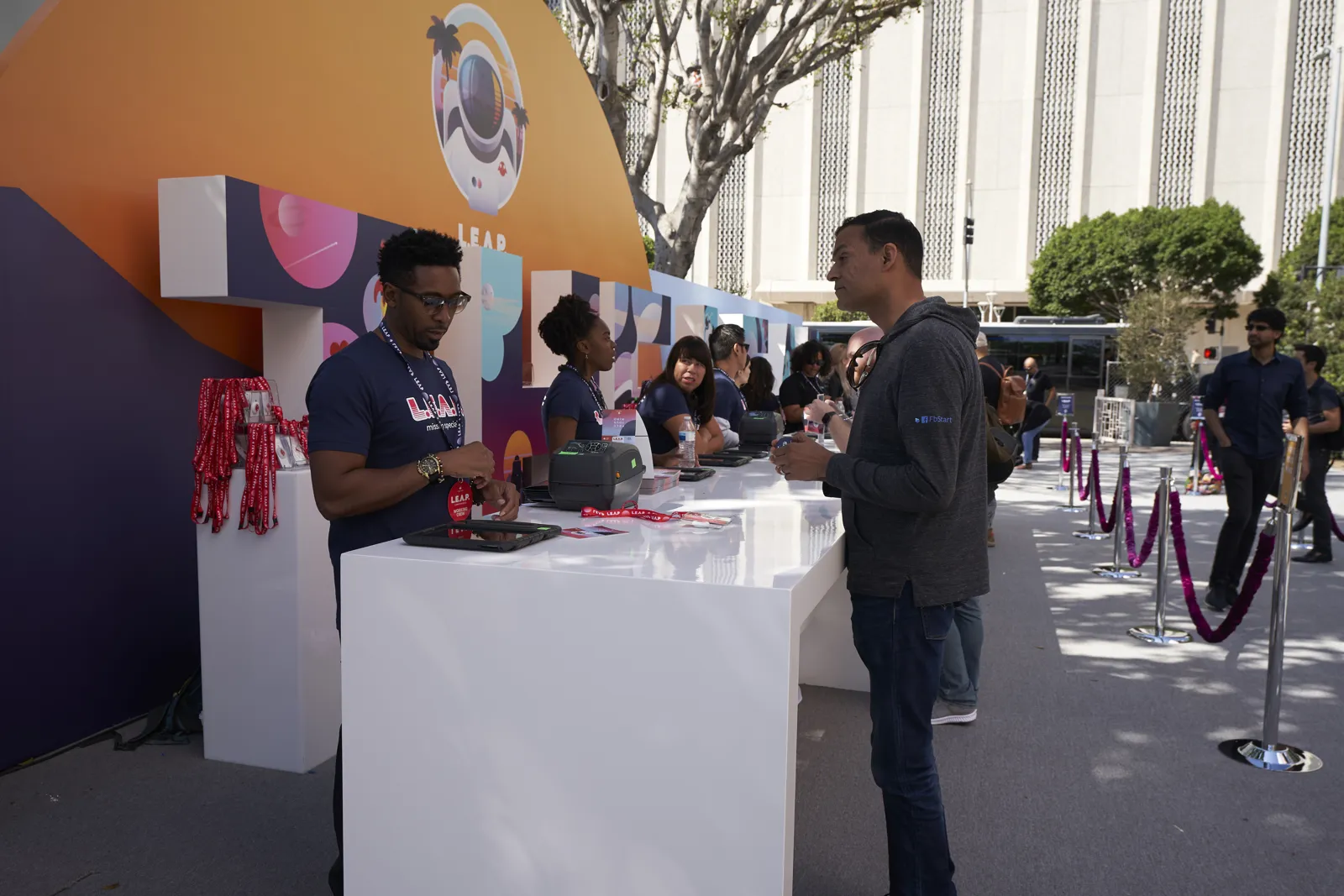
Whatever you choose, test check-in before your first event. Scanning QR codes with a phone is common across all three models. Check that it works offline in case the Wi-Fi fails, that several staff can scan at once and that you can look up a buyer by name if they lose their ticket.
Plan the door. Separate lines for will call and scanning, clear signs and enough scanners for the arrival rush keep queues short.
Which Model Fits Your Venue
If you produce a few events a year and rely on new audiences finding them, a marketplace can make sense. If you produce events often and want to build your own audience, white-label or built-in ticketing gives you the data and the brand. If you want ticket sales to sit in the same system as your bookings and finances, built-in ticketing removes a lot of manual work.
Many venues combine models, for example selling through their own system and listing selected events on a marketplace for reach.
Review Your Last Ten Events
Pull your last ten ticketed events. For each, note the platform, total fees, when payouts arrived, how many buyer emails you received and how check-in went. That record shows what your current platform really costs you and what it gives you, which is the best starting point for any change.
The right ticketing platform is the one that pays you on time and lets you keep your buyers.
Frequently Asked Questions
What is the best ticketing platform for a small venue?
It depends on how many events you produce, how you reach buyers and whether you want to own buyer data. Marketplaces help with discovery, while white-label and built-in ticketing give more control. Compare fees, payouts and check-in for your typical event.
Who pays ticketing fees, the venue or the buyer?
Either, depending on the platform and your settings. Many platforms let you pass fees to buyers or absorb them into the ticket price. Show buyers the total price clearly at checkout.
Do venues own the customer data from ticket sales?
On white-label and built-in platforms, venues usually receive and control buyer data. On marketplaces, data access and use may be limited by the platform's terms. Read the terms before you choose.
When do venues get paid for ticket sales?
Payout timing varies by platform and payment setup. Some pay out continuously or before the event, while others hold funds until after it. Ask each provider and factor the timing into your cash planning.