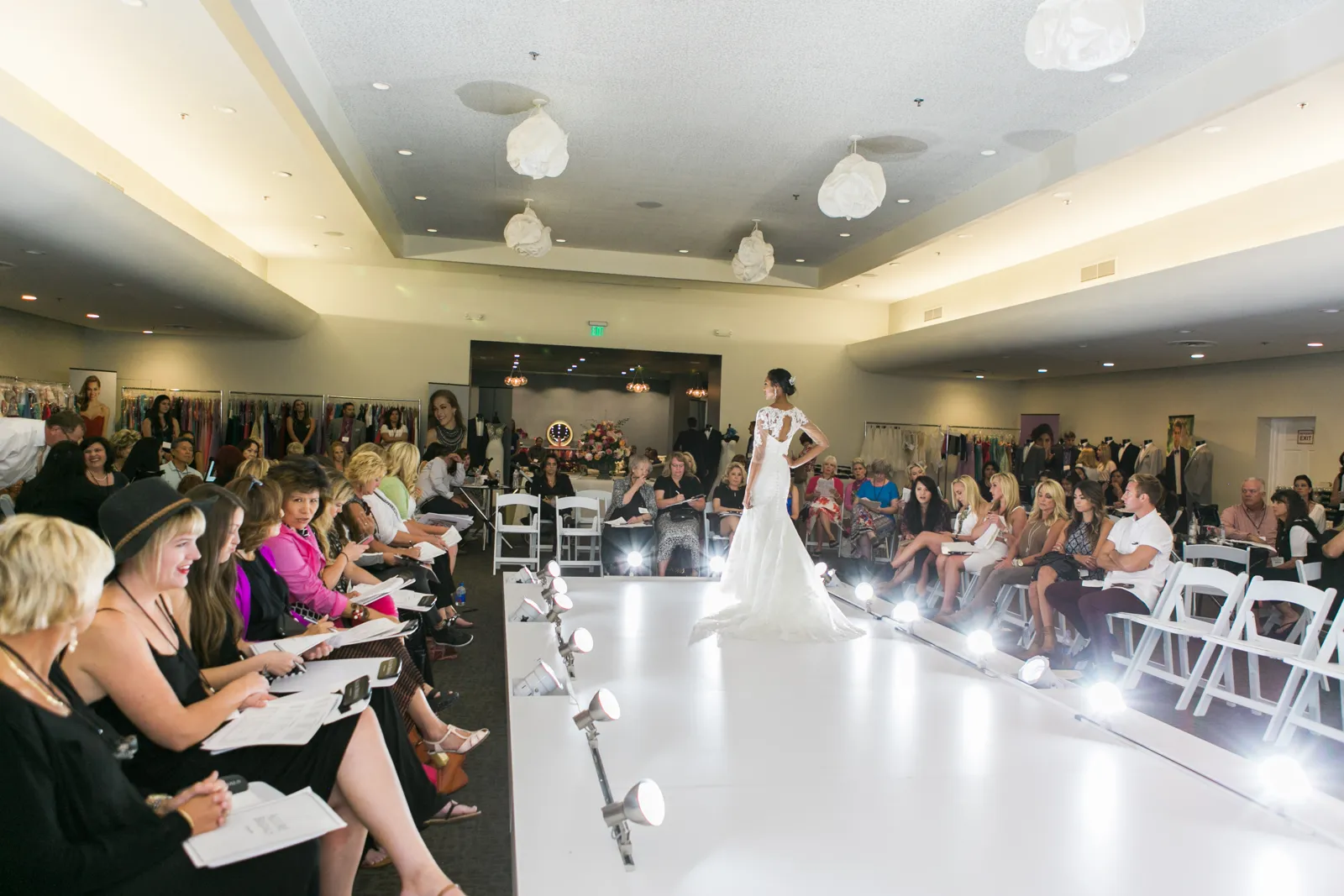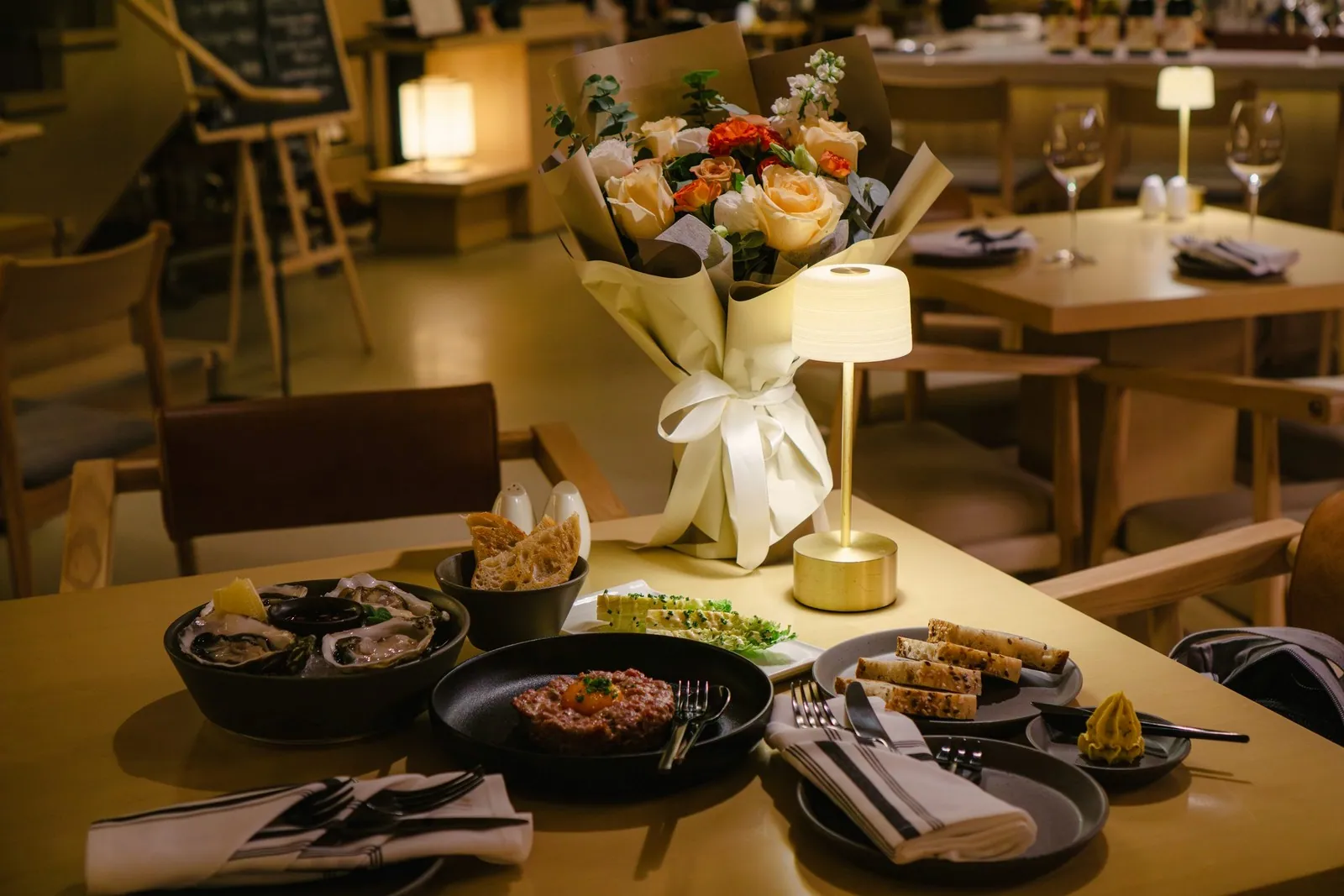


A couple calls asking about a Saturday in June for 30 guests. Your standard wedding package assumes 150 guests and a full day in your largest room, so the quote either looks absurd to them or leaves you giving away a prime date for a fraction of its usual value.
Requests like this come up regularly, and venues that package micro weddings on purpose can earn well from them. That starts with knowing what the format is.
What Is a Micro Wedding?
A micro wedding is a small wedding, usually with about 50 guests or fewer, that keeps the main parts of a traditional wedding, such as a ceremony, a meal, toasts and often a first dance, at a smaller scale. Couples choose it to spend more per guest, to keep the day personal or to fit a smaller budget. For a venue, the format calls for its own package with shorter time blocks, a right-sized room and a minimum that fits the date.
There is no official cutoff. Some couples and planners use the term for weddings of 20 guests, others for 60. Your package should define the range it covers.
Micro Wedding, Elopement and Small Wedding
The terms overlap, and couples use them loosely.
- An elopement usually means just the couple, or a handful of witnesses
- A micro wedding is a full celebration for a short guest list
- A small wedding often runs larger, up to around 100 guests
Knowing the difference helps you sell. An elopement may only need a ceremony spot and an hour, while a micro wedding needs dinner service, a room set for the group and staff to run it.
Why Micro Weddings Need Their Own Package
Small weddings cost a venue less in food and staff, and they still take a full slot on the calendar. A micro wedding on a Saturday night still blocks the date, and a full-size wedding could have booked it.
A dedicated package solves both problems. It points small weddings toward the dates and rooms you can offer them, sets a price that makes sense for the format and gives the couple a clear option built for their size.
Build the Package Around Time Blocks
Micro weddings rarely need a full day. A four or five hour block often covers a ceremony, cocktails and dinner, and some venues offer a shorter ceremony-and-dinner option.
Shorter blocks let you sell more of your calendar. A Friday afternoon micro wedding can finish before an evening event, and a weekday booking fills a date that might otherwise sit empty. Offer the package on off-peak days, Sunday evenings and in smaller rooms first, and decide whether Saturdays in peak season are available for it at all.
Set the room for the group, too. Thirty guests at one long table in a room sized for them feel like a dinner party, and that feeling is part of what the couple is paying for. If your venue has only large rooms, use drape, lounge furniture or a section of the room to make the space feel full.
Set a Minimum That Protects the Date
A food and beverage or spending minimum keeps a micro wedding profitable without punishing the couple for a short guest list. Set it by date and room, so a peak Saturday carries a higher minimum than a Thursday in the off season.
Consider a private dining room that seats 40. If a Thursday evening in March needs to earn at least $4,000 to be worth opening, a micro wedding of 30 guests at a $120 per person menu reaches $3,600 before drinks, and bar service closes the gap. A couple who wants a Saturday in June in the same room should see a higher minimum and know why.
Add-Ons That Fit a Small Guest Count
Smaller groups often spend more per guest on details. Offer add-ons that match that.
- Upgraded menus, wine pairings or a chef's table
- A private ceremony space or a scenic photo location
- Extra time for portraits before or after dinner
- A welcome drink or a late-night bite
- Coordination support on the day
List each add-on with a price so couples can build the day they want. It keeps the base package simple and gives the couple a clear way to spend more where it matters to them.
Write Your Micro Wedding Package This Month
Choose one room, two or three time blocks and the days of the week the package is available. Set a minimum for each combination, list the included items and price five add-ons. Put it on your website and in your wedding sales kit as its own option.
Then track every micro wedding inquiry for a season. The dates and guest counts couples ask for will show you where to adjust.
Frequently Asked Questions
How many guests is a micro wedding?
A micro wedding usually has about 50 guests or fewer, and many fall between 20 and 50. There is no official definition, so venues should state the guest range their package covers. Weddings with only the couple and a few witnesses are usually called elopements.
How much does a micro wedding cost at a venue?
It depends on the venue, the date, the room and the menu. Micro weddings usually cost less in total than a full-size wedding but often more per guest, since couples tend to spend on upgraded food, drink and details. Venues commonly set a minimum by date and room.
What is the difference between a micro wedding and an elopement?
An elopement usually involves just the couple, or the couple and a few witnesses, with little or no reception. A micro wedding includes a small guest list and keeps the main parts of a wedding, such as a meal, toasts and often dancing. Venues usually package them differently.
Can a venue book a micro wedding and another event on the same day?
Often yes, if the spaces and staff allow it. A micro wedding in a smaller room or in a shorter time block can leave time or space for another event. Plan setup, turnover and staffing carefully so neither group feels the other.