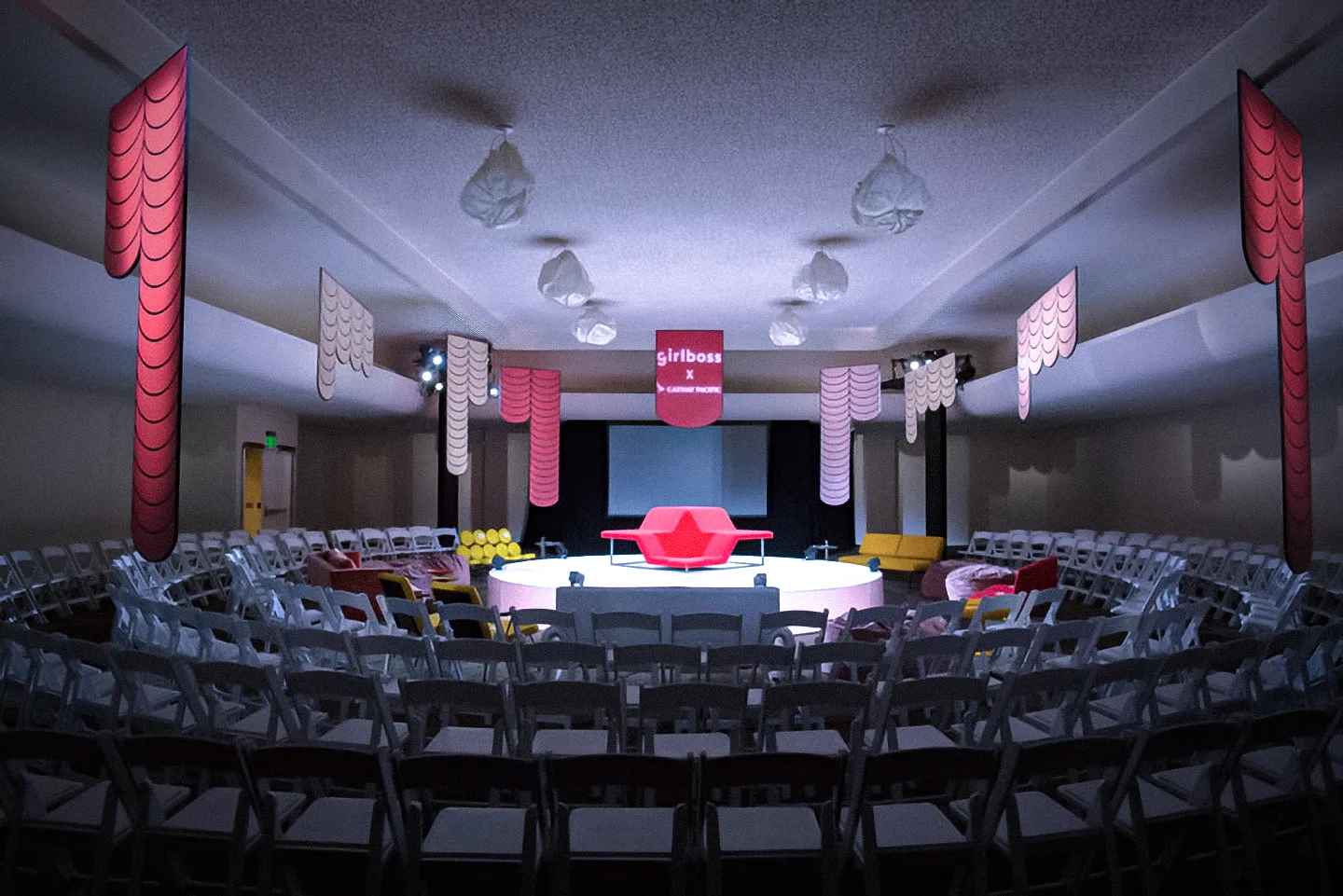


A production company asks whether your space is available "on a dry hire basis." A planner from overseas uses the same phrase for a product launch. If your team has only ever sold packages with catering and staff included, the question can catch them off guard.
Dry hire is a simple idea with real consequences for who does the work, who carries the risk and what the contract needs to say. This post covers what it means and how to handle it.
What Is Dry Hire for a Venue?
Dry hire is a venue rental where the client hires the space only, without the venue's catering, bar, staff or event services. The client brings in its own caterers, bar service, crew and equipment and takes on responsibility for running the event, while the venue provides the room, access, utilities and building basics. The term is most common in the UK, Ireland and Australia, and in the US the same arrangement is often called a space-only or blank canvas rental.
The opposite is a full-service or "wet" hire, where the venue supplies some or all of the food, drink and staff.
Where the Term Comes From
The phrase is borrowed from equipment rental, where dry hire means renting a machine without an operator, and wet hire means renting it with one. In venues, "dry" has also come to suggest no bar service from the venue, though clients may still serve alcohol through their own licensed provider where local rules allow.
Because the term is used loosely, always confirm what the client means. One planner may expect tables and chairs to be included, while another assumes a completely empty room.
What Is Included and What Is Not
A typical dry hire includes the basics that come with the building.
- The agreed space for the agreed hours
- Power, lighting, heating and cooling
- Restrooms and access routes
- A venue representative or duty manager on site
- Basic furniture, if your venue chooses to include it
It usually leaves out catering, bar service, event staff, AV equipment and technicians, decor, cleaning beyond the basics, security and waste removal. Each of these becomes the client's job or an optional add-on from the venue.
What the Client Takes On
In a dry hire, the client effectively becomes the event producer. They hire and manage every vendor, run the event on the day and hand the space back in the agreed condition.
That means the client is responsible for its vendors' insurance, conduct and compliance with your house rules. If alcohol is served, the client or its bar provider needs to meet local licensing requirements, which vary widely, so the client should check with the relevant licensing authority. Many dry hire clients are experienced producers, and the arrangement suits them. For clients who have never run an event, a dry hire can turn into a lot of work they did not expect.
Contract Points for Dry Hire Clients
A dry hire contract needs to be more specific than a full-service one, since the venue has less control on the day.
- Exact space, access times and load-in and load-out windows
- What the venue supplies and what the client must bring
- Insurance requirements for the client and every vendor
- House rules on decor, rigging, power, noise and curfew
- Handback condition, cleaning and waste removal
Add a security or damage deposit, a requirement for a named client contact on site and the venue's right to stop any activity that breaks the rules. List any approved or required vendors, such as an exclusive caterer, before the client signs.
Pricing a Dry Hire
Dry hire is usually priced as a space rental for a set block of time, with build and strike time included or charged separately. Add required services as separate lines, such as the venue representative, a cleaning fee, security if your venue requires it and any utilities beyond normal use.
Price the hire to reflect the full time the space is blocked, including setup and teardown. A dry hire for a production company with a long build can occupy a room for days around a one-night event.
Some venues also set a higher deposit for dry hire than for full-service events, since more outside crews work in the building with less venue supervision. Return it promptly after the handback walkthrough when the space comes back as agreed.
Decide Whether to Offer Dry Hire
Dry hire suits venues with flexible spaces, good load-in access and staff who can supervise outside crews. It suits less well if your business depends on catering or bar revenue, or if your building has systems that need careful handling.
If you offer it, write a one-page dry hire spec sheet that lists what is included, the required services and the house rules. Send it whenever someone asks about a dry hire, and the conversation starts with the same facts every time.
Frequently Asked Questions
What is the difference between dry hire and wet hire?
In a dry hire, the client rents the space only and brings its own catering, bar, staff and equipment. In a wet hire, the venue supplies some or all of those services, usually including the bar. The terms come from equipment rental, where wet hire includes an operator.
Is dry hire cheaper than a full-service venue?
The venue fee for a dry hire is often lower because fewer services are included. The total cost may not be lower, since the client pays separately for catering, staff, equipment and cleaning. It depends on the event and the vendors chosen.
Can you serve alcohol at a dry hire venue?
Often yes, if the client or its bar provider meets local licensing rules and the venue's policy allows it. Requirements vary widely by location. The client should check with the relevant licensing authority, and the venue should set conditions in the contract.
What does a venue provide in a dry hire?
A venue usually provides the space, access, power, lighting, heating or cooling, restrooms and a venue representative. Some venues also include basic furniture. Everything else, from catering to cleaning, is the client's responsibility unless added as an option.