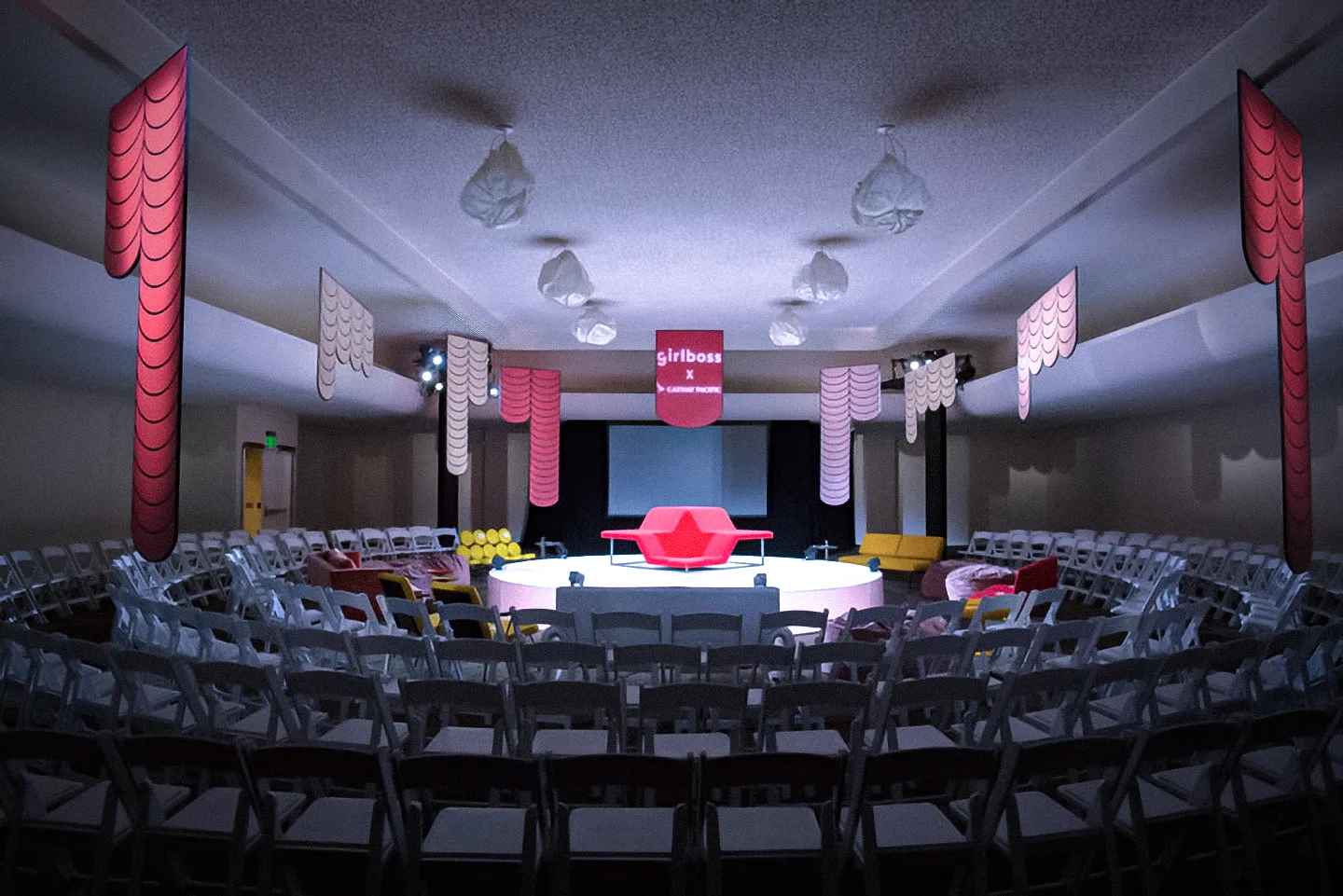
A planner compares three quotes for the same Saturday. One venue charges $6,000, another $4,500 and the third $8,000. On paper the second looks cheapest. Then the planner learns that the $4,500 covers the empty room only, while the $8,000 includes tables, chairs, linens, a bar setup, a coordinator and cleaning.
Rental fees mean different things at different venues, and that is the source of many disputes. Venues that state plainly what the fee covers win more trust and fewer arguments at the final invoice.
What Is Usually Included in a Venue Rental Fee?
A venue rental fee usually includes use of the space for a set number of hours, basic utilities, standard cleaning and a venue representative on site. Many venues also include their own tables and chairs, some house audio or AV, and setup of their own furniture. Catering, bar service, linens, decor, extra staff, security, extended hours and specialty equipment are often extra. Every venue differs, so the quote should list both inclusions and exclusions.
Commonly Included
These items are included at many venues, though not at all of them.
- The space for an agreed time block, often including some setup and teardown time
- Utilities such as heat, air conditioning, lighting and standard power
- Venue-owned tables and chairs, set to an agreed floor plan
- A venue manager or coordinator on site during the event
- Basic cleaning after the event and access to restrooms
Some venues also include house sound with a microphone, a projector or screen, Wi-Fi, a bridal or green room, or parking. These are strong selling points when included, so list them.
Commonly Extra
These items are often billed separately or provided by outside vendors.
- Food and beverage, through in-house catering, an exclusive caterer or an approved list
- Bar service, bartenders and alcohol, sometimes with a bar fee or minimum
- Linens, specialty furniture, decor, flowers and lighting such as uplighting
- Additional staff such as security, servers, coat check, valet or attendants
- Extra hours, early access, late finishes and overtime rates
Other charges that surprise planners include service charges on food and beverage, sales tax, cleaning or damage fees, insurance requirements and fees for outside vendors. These are not part of the rental, but they affect the total, so a clear venue mentions them on the quote.
All-Inclusive and Blank Canvas Venues
Two models sit at the ends of the range. An all-inclusive venue bundles the space, catering, bar, staff, furniture and often decor into per-person packages. A blank canvas venue rents the space and little else, and the client brings in caterers, rentals and vendors.
Neither model is better. All-inclusive venues are simpler for planners and easier to budget. Blank canvas venues offer flexibility and can cost less for clients who manage vendors well. Many venues sit in between, with a base rental that includes furniture and some services, plus preferred vendors for the rest.
Spell It Out on Every Quote
The best defense against disputes is a quote that leaves nothing to assumption. Organize it in three parts.
- What is included in the rental, item by item
- What is available at an extra cost, with prices
- What the client must provide or arrange, such as catering, insurance or vendors
State the rental hours precisely, including when setup can begin and when the room must be cleared, and the rate for any extra time. A client who knows the rental covers 4 p.m. to 11 p.m., with an overtime rate per hour, will plan around it.
Show the Estimated Total
Planners compare totals. A rental fee alone rarely reflects what the event will cost at your venue. Add an estimated total for a typical event, including food and beverage, service charge and tax, so the planner can compare like for like.
Consider a 120-guest dinner. A quote that shows the rental, an estimated catering and bar cost, the service charge and tax in one total gives the planner a number they can take to their budget, and protects you from a lower-looking quote that leaves out half the costs.
With assumed figures, the rental might be $5,000 and food and bar about $95 per guest, or $11,400. A 22 percent service charge on food and beverage adds $2,508, for an estimated $18,908 before tax. A planner who sees that total can compare it honestly with a venue whose rental looks cheaper but leaves catering, staffing and furniture to the client.
Check Your Quote Template This Week
Take your current quote template and read it as a planner would. Mark anything a client might assume is included that is not, and anything included that is not listed. Add an inclusions list, an extras list and the rental hours, and send the new version with your next proposal.
Frequently Asked Questions
Does a venue rental fee include tables and chairs?
Often, but not always. Many venues include their own tables and chairs and set them to an agreed floor plan, while blank canvas venues may require the client to rent them. Check the quote or ask the venue for a list of included furniture.
Does a venue rental include catering?
Usually not, unless the venue is all-inclusive or sells packages that bundle the space with food and beverage. Many venues require clients to use their in-house or exclusive caterer, or choose from an approved list. Catering is typically priced separately per guest or against a food and beverage minimum.
What hidden costs should I look for in a venue rental?
Look for service charges, sales tax, overtime rates, cleaning and damage fees, security requirements, outside vendor fees, insurance requirements and charges for setup or early access. Ask the venue for an estimated total for your event that includes everything beyond the rental fee. A clear venue lists these on the quote.
How many hours does a venue rental usually include?
It varies by venue and event type. Many evening rentals include a block of several hours for the event itself, with setup and teardown time sometimes included and sometimes charged separately. Confirm the exact start and end times and the rate for extra hours before signing.