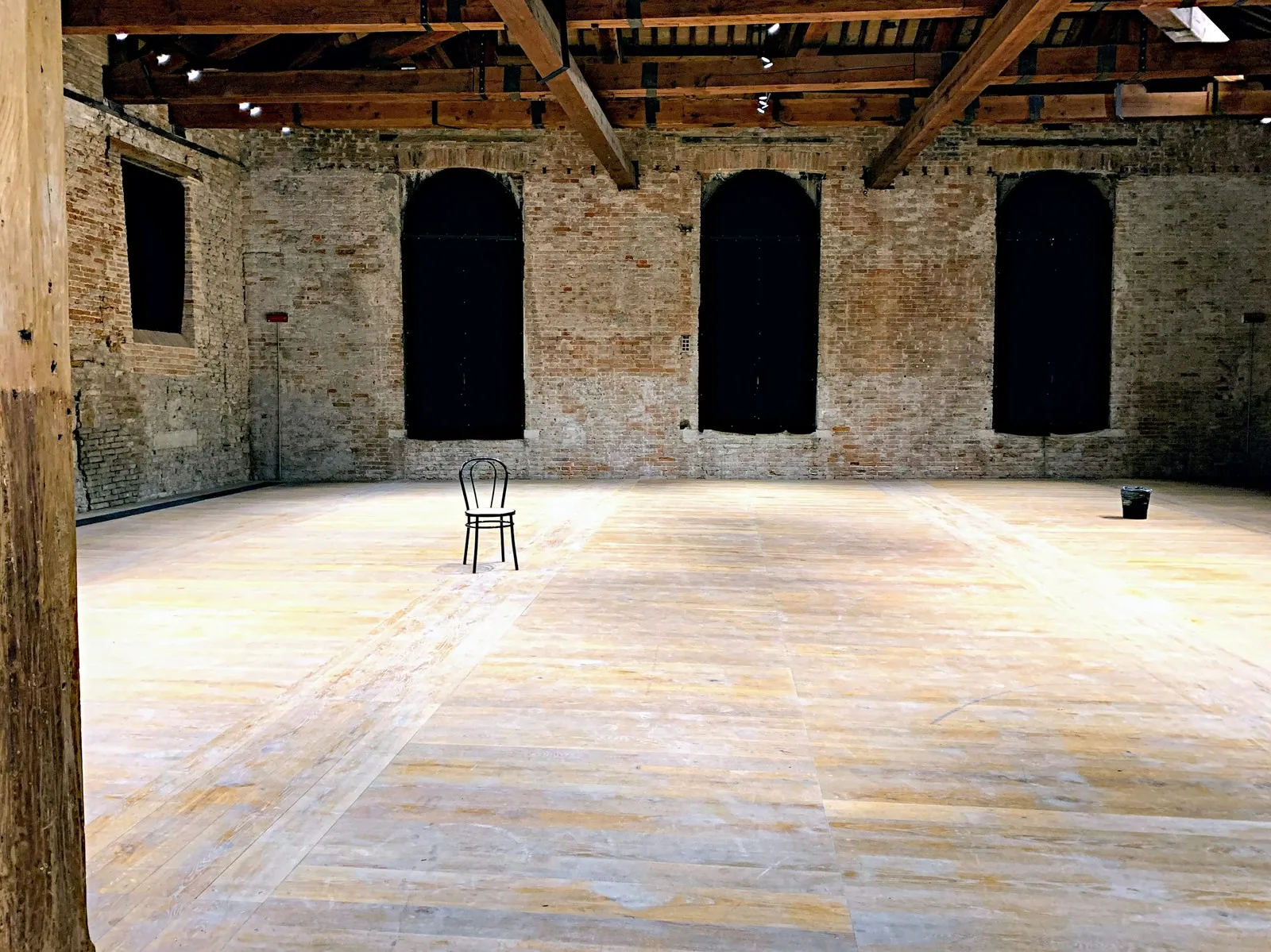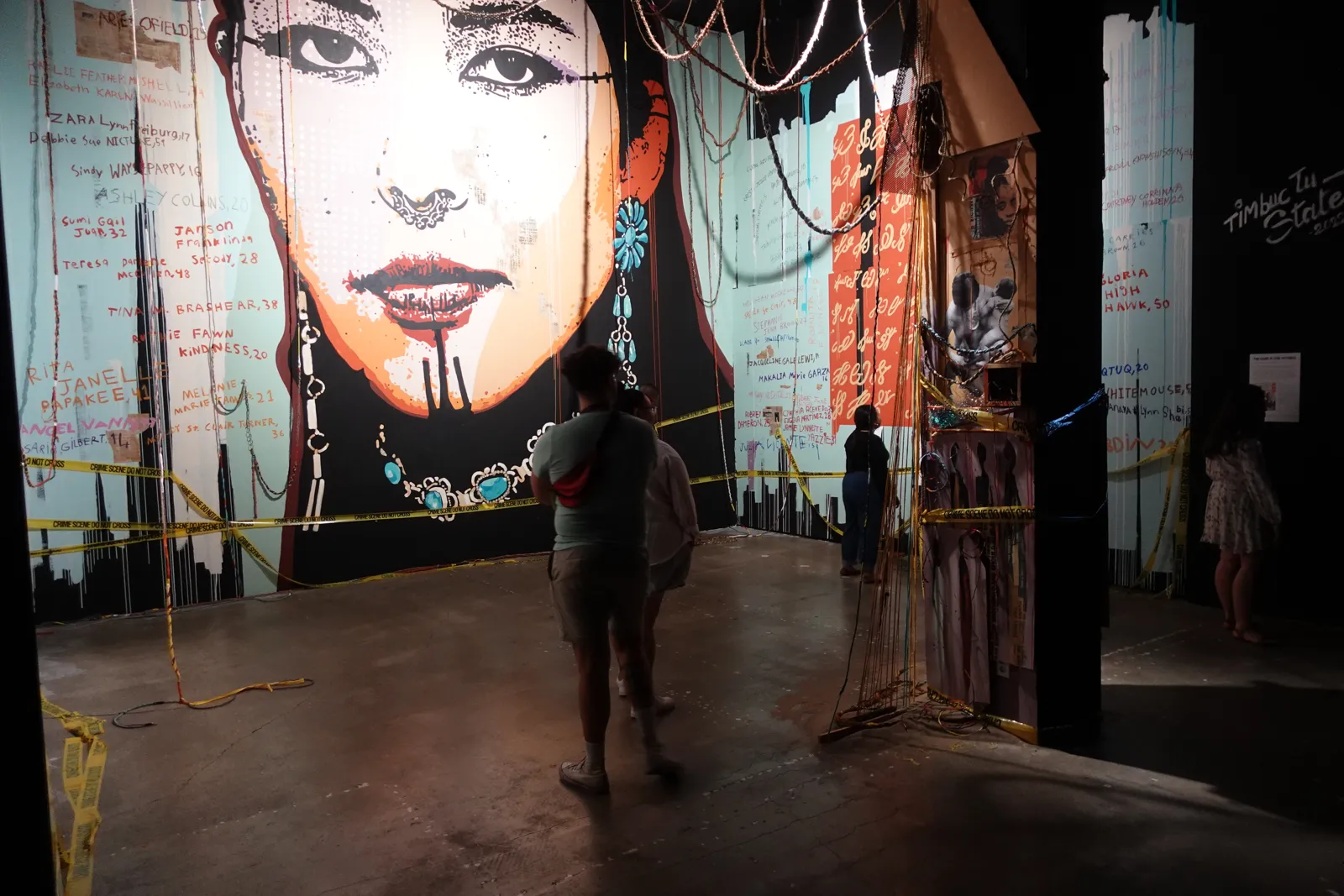
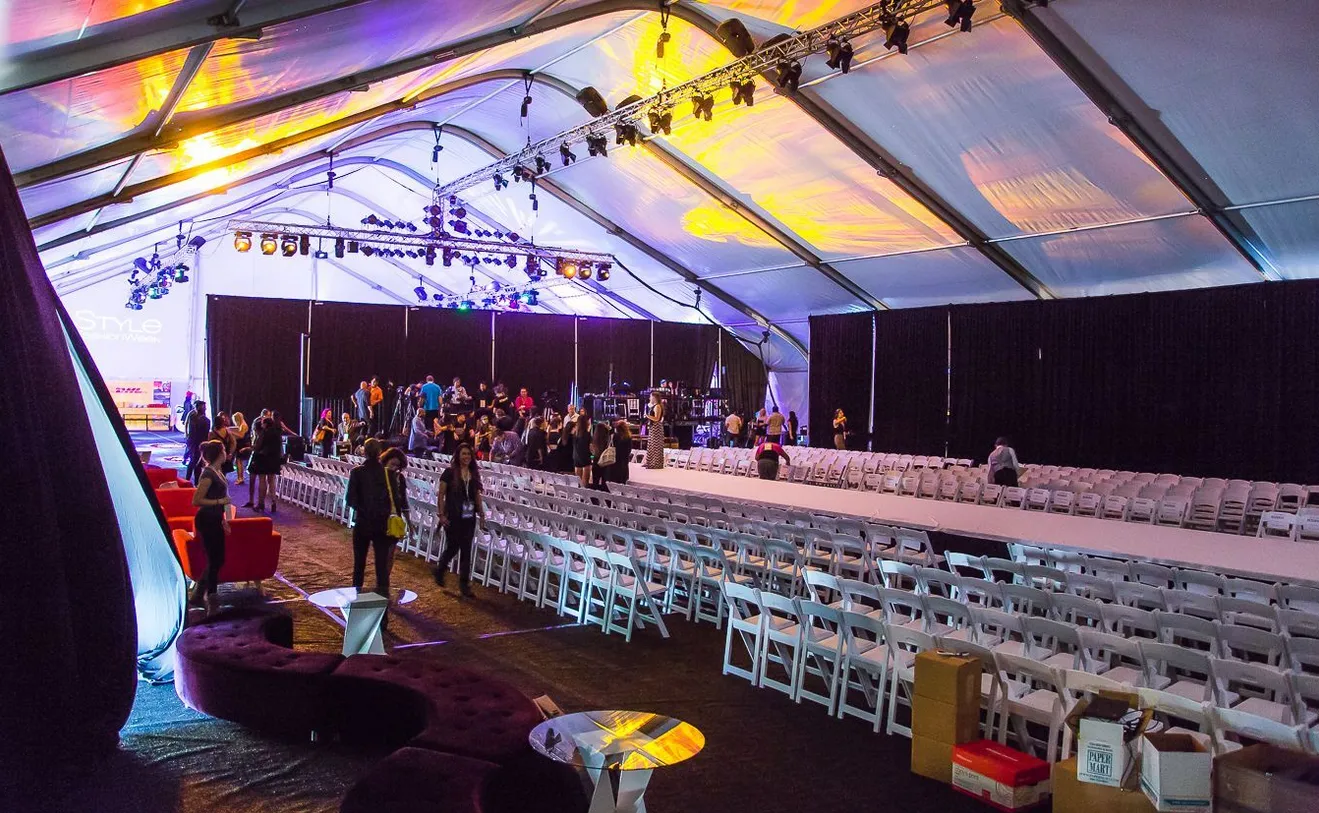
ShoSoft began inside a working venue, as the in-house system at Magic Box Event Campus in downtown Los Angeles. That means the software grew up next to setups and breakdowns, guest counts that jump the morning of, and the vendor who swears they confirmed a delivery window that nobody wrote down. Being close to that has shaped how we build venue software more than any roadmap meeting, and the lessons were rarely the ones we expected.
The short version is that good venue software is built by people who have stood at the door at 7pm wondering where the linens are. Here is what that proximity teaches.
What Does Running Events Teach You About Building Venue Software?
Running events teaches you that venue software has to work for a tired person in a hurry, that information should be entered once and read everywhere, that messy bookings are the real job, and that the software should clear away busywork so operators keep their attention for judgment calls no system can make.
Software That Adds Steps Loses
The first thing the floor teaches you is that nobody on event day has a spare thirty seconds. When something is on fire, you do not open a tool and click through four screens to log it. You handle it, and the record of what happened lives in your head until you forget it.
So the right design target is the chaotic moment, never the calm one. If a feature only works when someone has time to use it carefully, it does not work at all. Every screen deserves the same test, whether a tired person could use it correctly at the end of a fourteen-hour day. Plenty of good-sounding ideas fail that test, and they should be cut when they do.
The Data You Need Is the Data You Already Typed
Around any event, the same information tends to get entered five times. Into the inquiry email, then the proposal, then the contract, then the calendar, then the staffing sheet. Each retype is a chance to introduce an error, and event-day errors are expensive in a way that a typo in a marketing doc never is.
That pattern is why a single source of truth sits at the center of what we build. A detail like the guest count should live in one place, with everything downstream reading from it. That idea comes less from a database diagram and more from the kind of Saturday every operator dreads, when the kitchen preps for one number and a different one walks in.
Edge Cases Are the Actual Job
In a lot of software, the edge case is where you draw the line and say it is not supported yet. Running events kills that instinct fast, because the edge cases are most of the work. The client who wants to split the deposit across two cards. The two-day event where day one is corporate and day two is a wedding. The vendor who needs to load in before the previous event has loaded out.
The messy bookings are the real product, since the clean ones mostly take care of themselves. When an operator says their venue is too unusual for software, that is worth hearing as a feature request, and unusual venues tend to make a product better for everyone.
You Cannot Automate Judgment, So Protect It
The last lesson is the one that keeps us honest. Plenty of the value in running a venue comes from judgment that does not reduce to a rule. Reading a nervous couple, deciding when to comp a small thing to save a relationship, knowing which vendor to call when the first one falls through.
Software should not try to replace that. Its job is to clear away the busywork so the operator has more attention left for the calls that actually need a human. The hours saved matter because of what an operator does with them, which is usually the part of the job they got into this for.
The Short Version
Building venue software from inside a venue means accepting that the clever idea on the whiteboard usually loses to the boring thing that survives a real Saturday. We are still learning this, every time a customer shows us a workflow we did not anticipate.
If you are evaluating software for your own venue, run the same test we use. Picture your worst Saturday of the year and ask whether the tool helps or adds steps.
The product gets better in proportion to how close we stay to the floor, and we have no plans to drift from it.