A few years ago, a client picked a venue and then went off to assemble everything else around it. The space was the purchase, and the rest of the event was the client's problem to solve. The people booking independent venues now are buying an outcome, and the room is one input into it.
I run a venue software company, so I spend a lot of time looking at why some independent venues are pulling ahead while others with prettier spaces stall out. The pattern is consistent. The venues that are winning have quietly moved from selling square footage to selling the experience of working with them, start to finish, and most operators are living through that shift without naming it.
What Does It Mean for an Event Venue to Be an Experience Business?
An event venue becomes an experience business when clients judge it on the entire arc of working with it, from the first inquiry reply through the tour, planning, event day, and final invoice, rather than on the room alone. Speed, organization, and follow-through become the product, so the operator's job shifts from filling a space to running a consistent, low-friction client relationship.
Think about where a booking is really won or lost. The speed of the first reply. Whether the tour felt organized or improvised. How many times the client had to re-explain something your team already knew. Whether the run-of-show held on the night. Whether the final invoice matched what they were promised. All of that happens outside the room, and clients now weigh it more heavily than the finish on the floor.
Why Venues Are Shifting to the Experience Model Now
Three things converged. Clients got used to consumer-grade service everywhere else, so a 36-hour reply time to a wedding inquiry now reads as a red flag. Reviews and referrals got more powerful, which means a single rough handoff can cost you the next five bookings from that planner. And the supply of nice-looking spaces went up, so the room itself stopped being a differentiator in most markets.
When everyone in your area has good photos and a decent capacity number, the thing left to compete on is how it feels to hand someone your most important day or your biggest corporate event. That feeling is built out of a hundred small operational moments, and clients have gotten very good at sensing which venues have those moments under control.
The Operational Cost of Delivering a Great Venue Experience
Here is the part that does not show up on the marketing slide. Delivering a consistent experience is expensive in attention, even when it is cheap in dollars. A great experience is mostly the absence of friction, with nothing dropped, nothing repeated, and nothing forgotten. Producing that reliably, across dozens of events a year, is genuinely hard for a small team.
This is where a lot of independent venues quietly lose. The space is beautiful and the team cares, but the information lives in five disconnected tools and one person's head. The client feels the seams. The deposit reminder goes out late, the kitchen never got the updated headcount, the GM is hearing the dietary restrictions for the first time at 6 PM. Each of those is small. Together they are the difference between a venue people rave about and one they merely tolerate.
A quick test is to pull your last 90 days of events and count how many times a client had to send the same detail twice. Every repeat is a seam the client felt.
The operators who treat coordination as a real discipline, with one shared record that every touchpoint reads from, are the ones whose clients describe the experience as effortless. Their consistency comes from a system doing its job, which is far easier to repeat than any one person's charm.
How the Experience Model Changes the Way Venues Compete
If the experience is the product, then the operator's job shifts from filling a room to designing a relationship. That has a few concrete implications worth sitting with.
- Response time is a product feature, because minutes versus hours shapes how capable you look
- Consistency beats heroics, since a predictable event every time outranks an occasional spectacular one
- The post-event window is part of the sale, because repeat revenue gets decided there
- Back-office systems are now client-facing, since a missed internal handoff becomes a broken promise
Which Venues Will Pull Ahead
The independent venues that thrive over the next few years will be the ones that accept they are running a service operation that happens to own a building. That is a harder business, because it demands operational tightness most small teams were never set up for. It is also a more defensible one, because a competitor can copy your room far more easily than they can copy the experience of working with a team that never drops a ball.
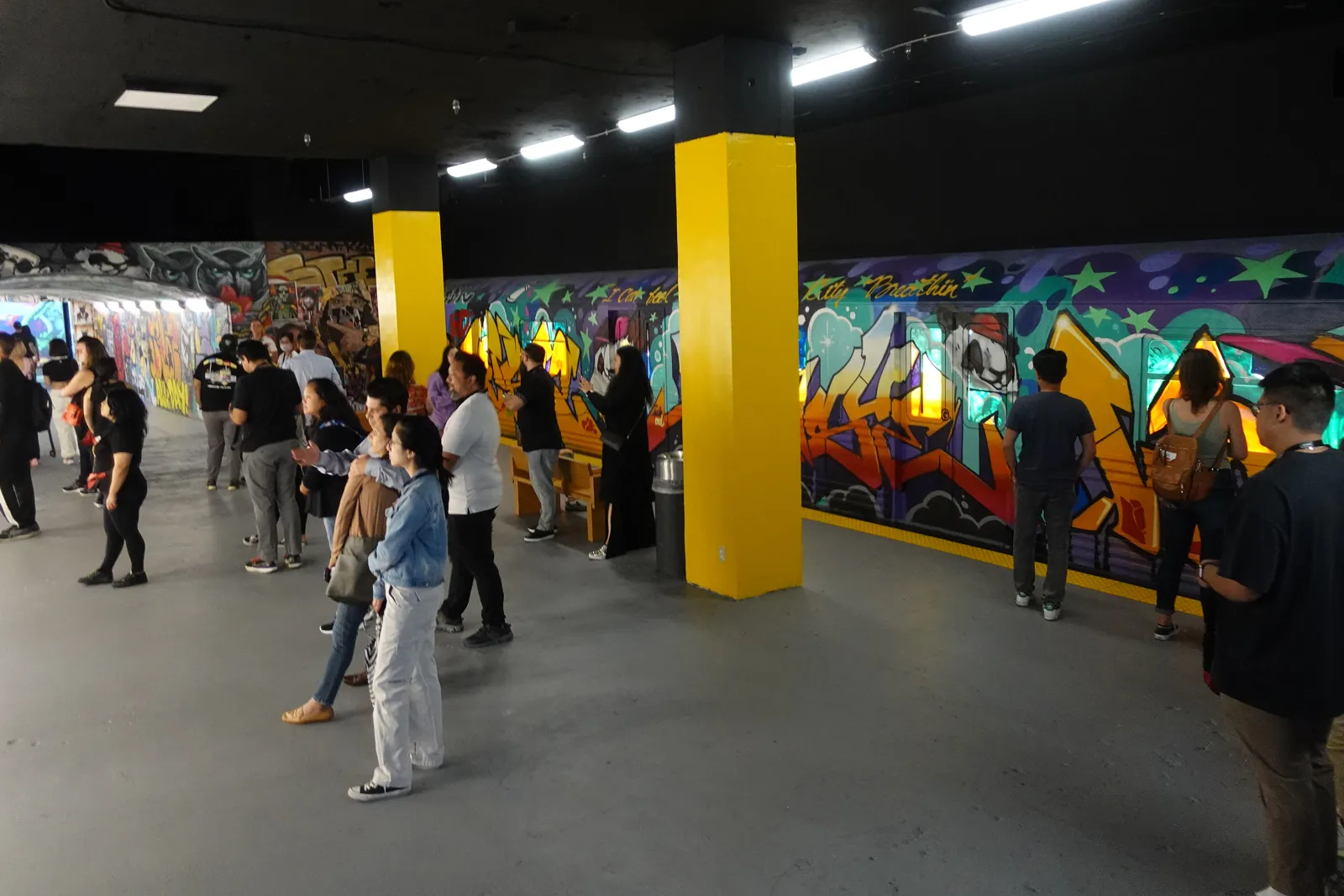
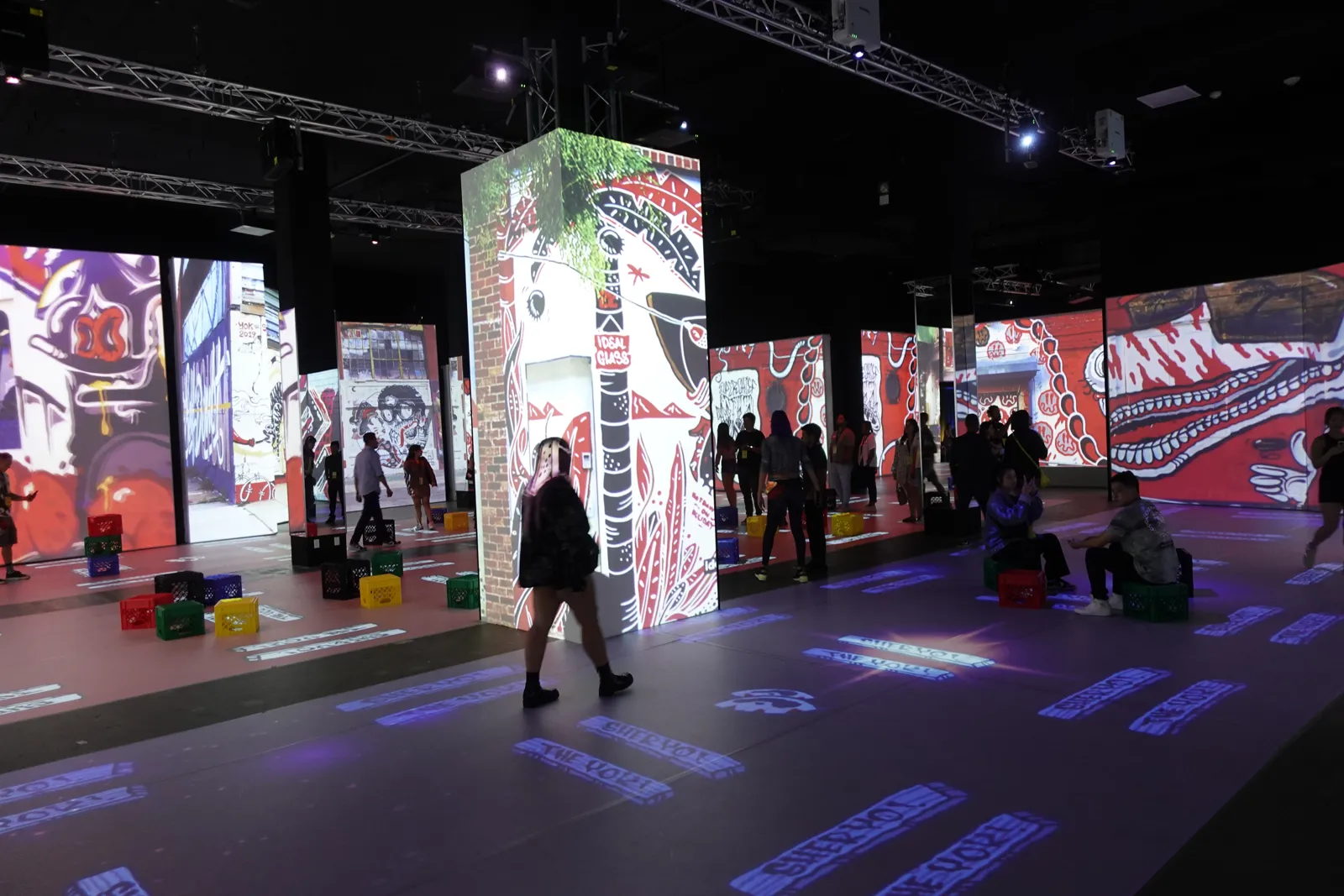
ShoSoft began as the in-house system at Magic Box Event Campus, a 200,000+ square foot creative venue in downtown Los Angeles, and the event director there puts the time it saves at around 15 hours a week. Hours like that are exactly what the experience business runs on, because they are the hours a team can give back to clients instead of spending them chasing details.
Where to Start This Month
Map every touchpoint a client hits from inquiry to post-event follow-up, mark the two where details most often get dropped, and fix those first. The room gets you considered, and the experience gets you booked, kept, and recommended.