There is a quiet but enormous difference between building software for venue operators and building it with them. Building with operators means treating them as partners in the work, and that idea shapes almost every decision we make.
The thesis I keep coming back to is that the people doing the job know things about it that you cannot learn from the outside, so the only sane move is to build the thing in the room with them.
What Does It Mean to Build Software With Venue Operators?
Building software with venue operators means keeping real owners in short feedback loops, watching them hit problems in their own workflows, shipping early versions they can correct, and letting a good objection from a working venue change the roadmap. It produces venue operator software that fits the job on event night, because the people doing the job shaped it.
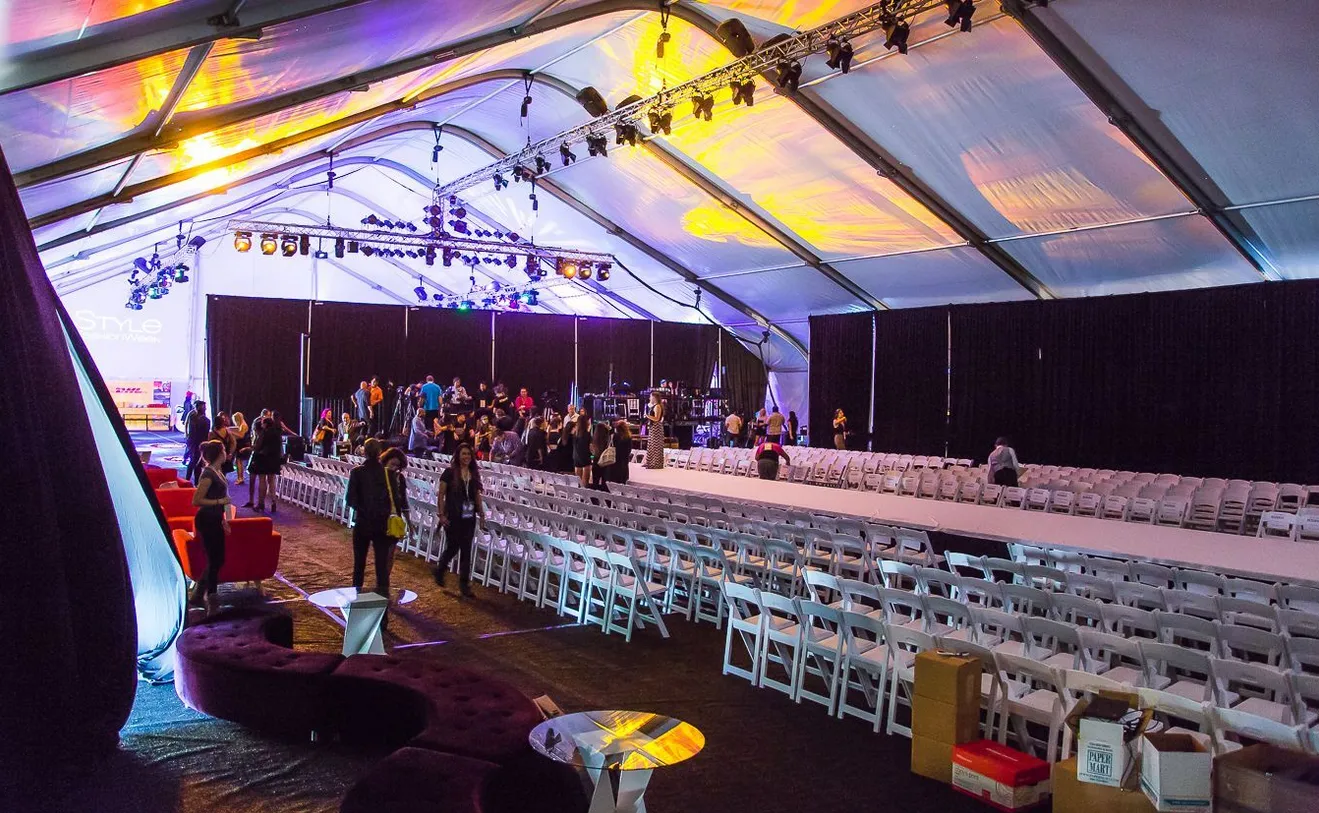
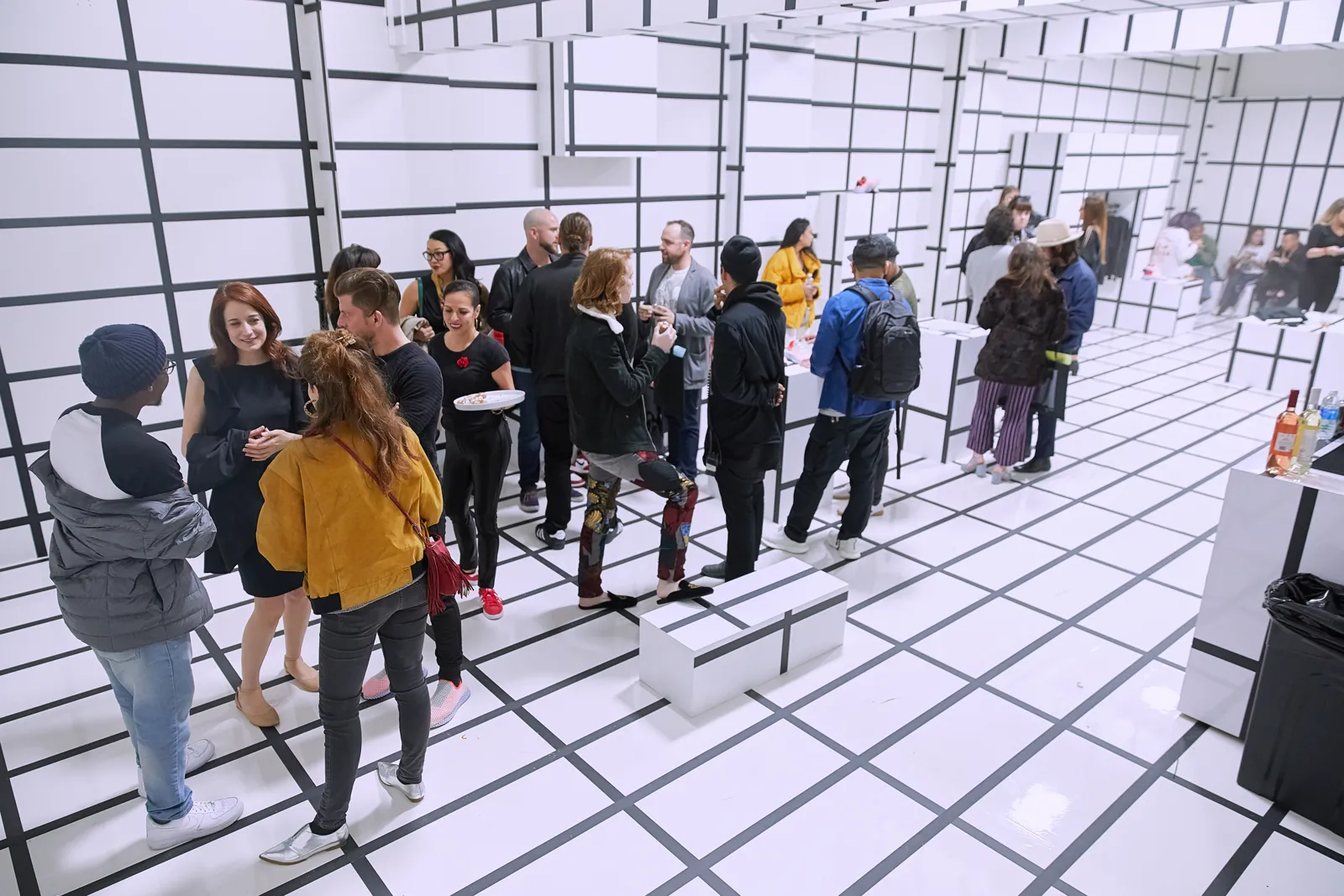
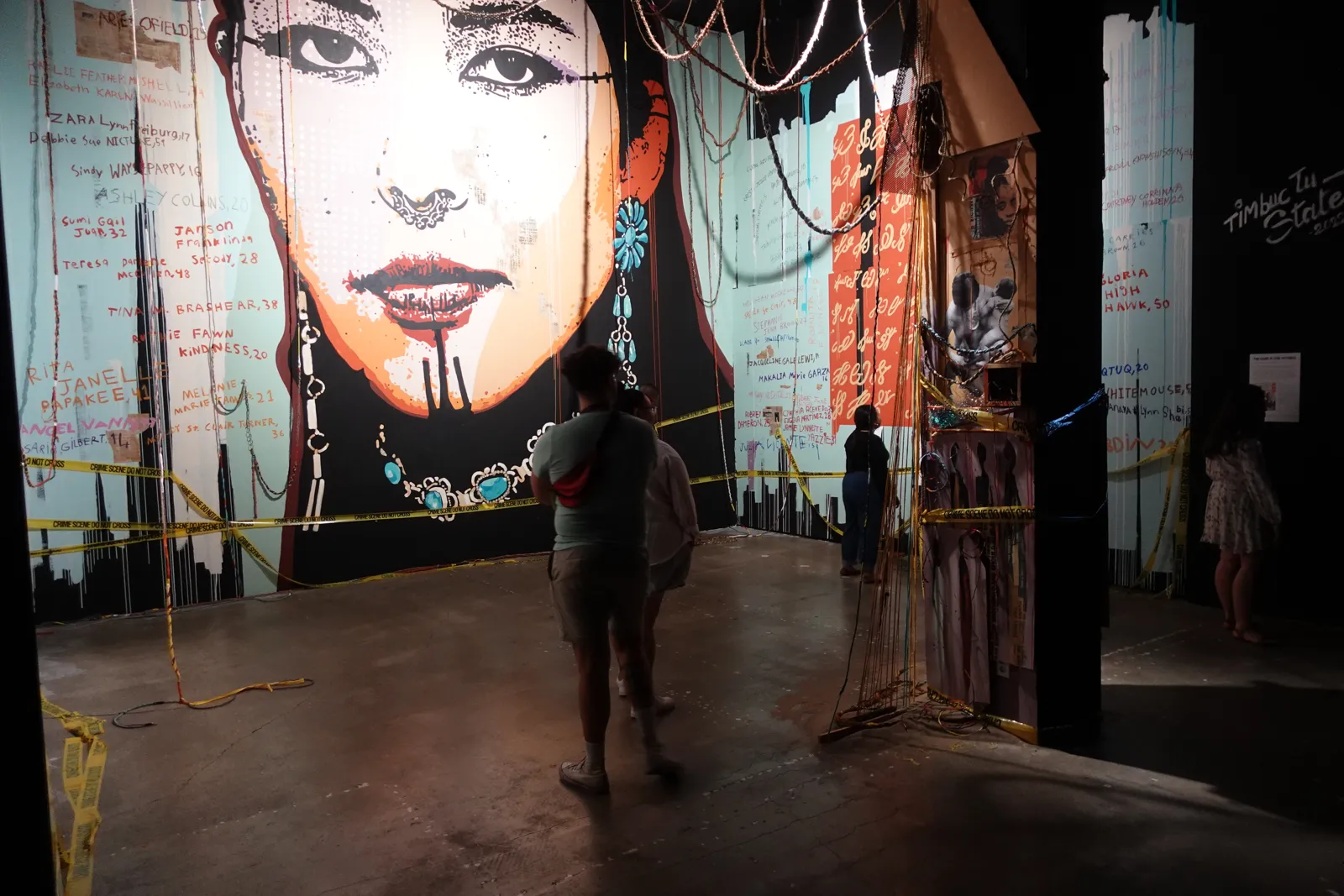
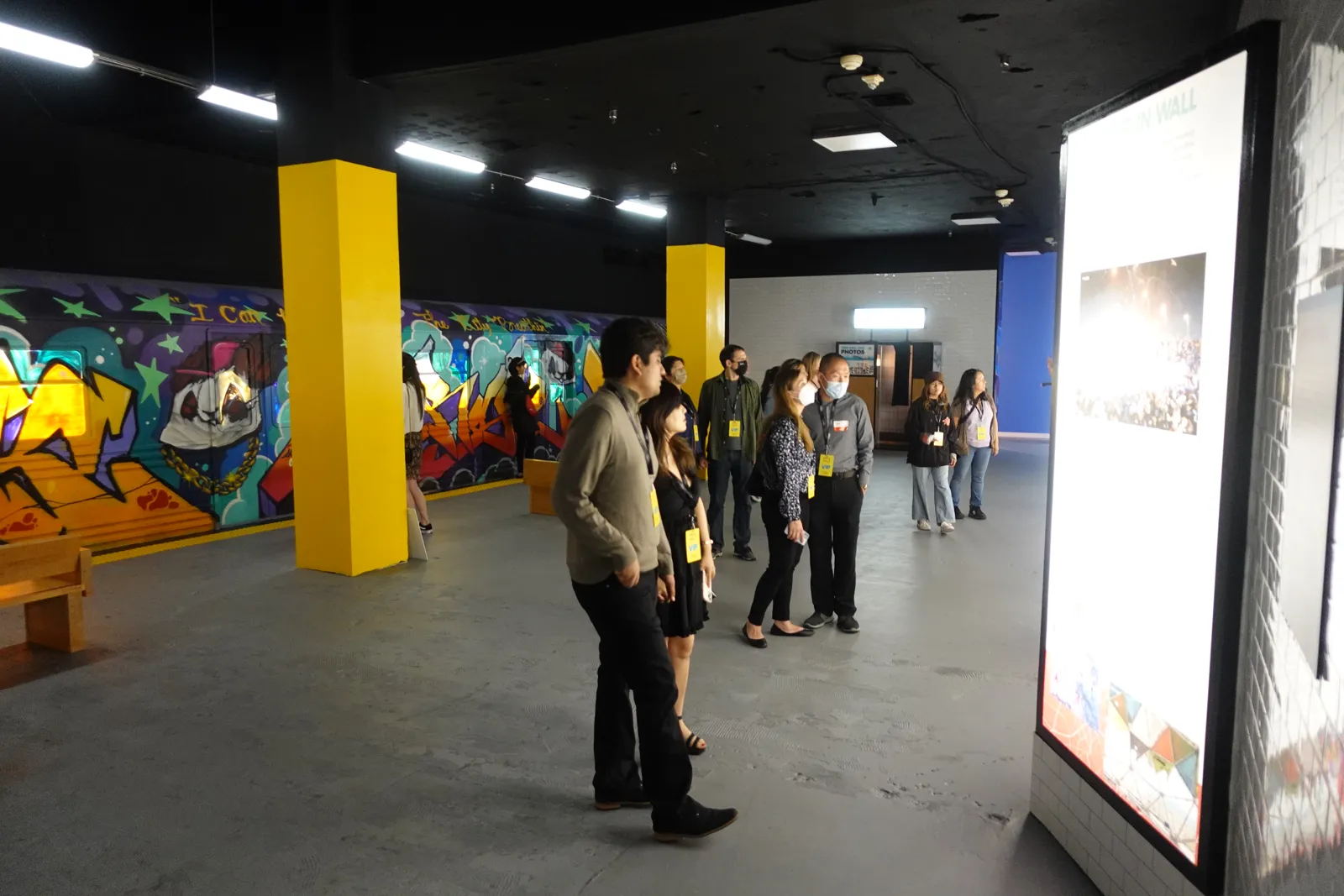
For us, that started at the beginning. ShoSoft began as the in-house system at Magic Box Event Campus in downtown Los Angeles, so the first operator in the room was a working venue.
Why Most Software Gets Built at People
It is faster to build at people than with them, which is why so much software is. You gather some requirements, you design what seems sensible, you ship it, and you read the analytics to see what stuck. The operator is a data point in that loop and never a voice in it.
For a lot of software that is fine. For venue software it fails, because the job is full of context that does not survive a requirements doc. The reason a particular workflow exists, the unwritten rule about which client gets the comp, the seasonal rhythm that makes a feature useless in June and essential in October. You only get that by sitting close enough to hear it.
What Building With Operators Looks Like
In practice this means short feedback loops with real owners on them. When an operator describes a problem, the next question is whether you can watch them hit it, before asking whether it fits a quarter's plan. The most useful sessions are often just an operator walking through their actual Saturday, step by step.
It also means shipping things you are not sure about and letting operators tell you what you got wrong. The way a venue already handles something on paper is often smarter than what a designer would invent from scratch. Being corrected early by someone who lives the problem beats being right too late.
Why This Matters for Venue Software as a Category
Venue software has a long history of being built by people who never ran a venue, and you can feel it in the products. They optimize for the demo and the buyer more than for the person at the door on event night. The result is tools that look complete and quietly add work to the day.
Co-building is how a category gets unstuck from that. When operators shape the product, the product stops fighting the job and starts fitting it. It is the only way we have found to build something an experienced operator will keep open all day, which is a much higher bar than getting them to sign up.
The Discipline It Requires
Building with operators is harder than it sounds, because it means giving up some control. You cannot pre-decide everything. You have to hold your roadmap loosely enough that a good objection from a real venue can move it. You have to be willing to hear that the feature you loved is the one slowing someone down.
The way to keep that discipline is to stay close to the floor and treat uncomfortable feedback as the most valuable kind. The operators who push back hardest tend to be the ones who care most, and they make a product better every time someone actually listens.
Where This Leaves Us
The best venue software will be built by the people who run venues and the people who build software, working in the same room instead of handing requirements across a wall.
If you run a venue, hold any vendor you are considering to that standard. Ask who on their side has watched an operator work an event, and what changed in the product because of it.
We plan to stay on the operator's side of that wall for as long as we are doing this, because everything good we have built came from there.