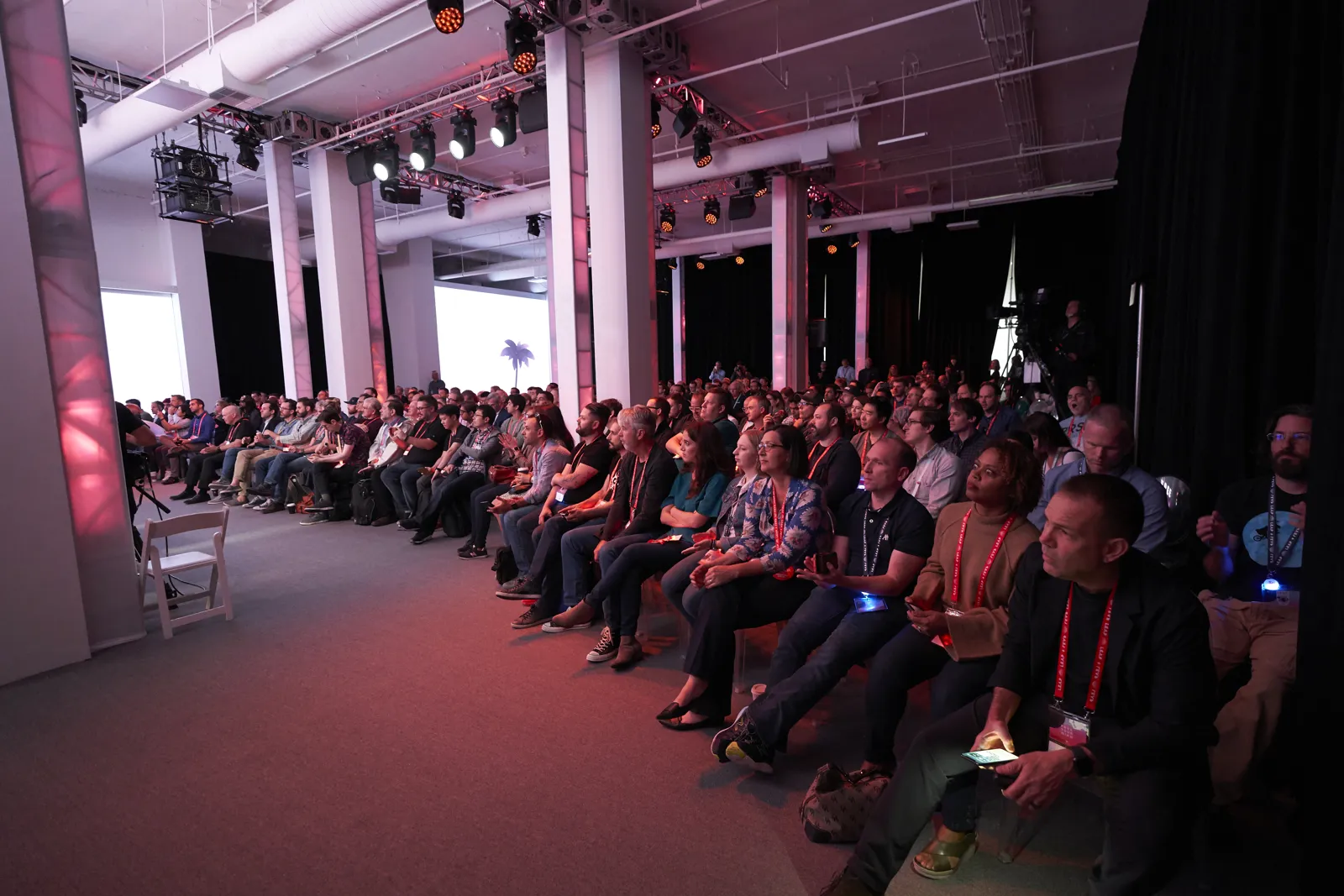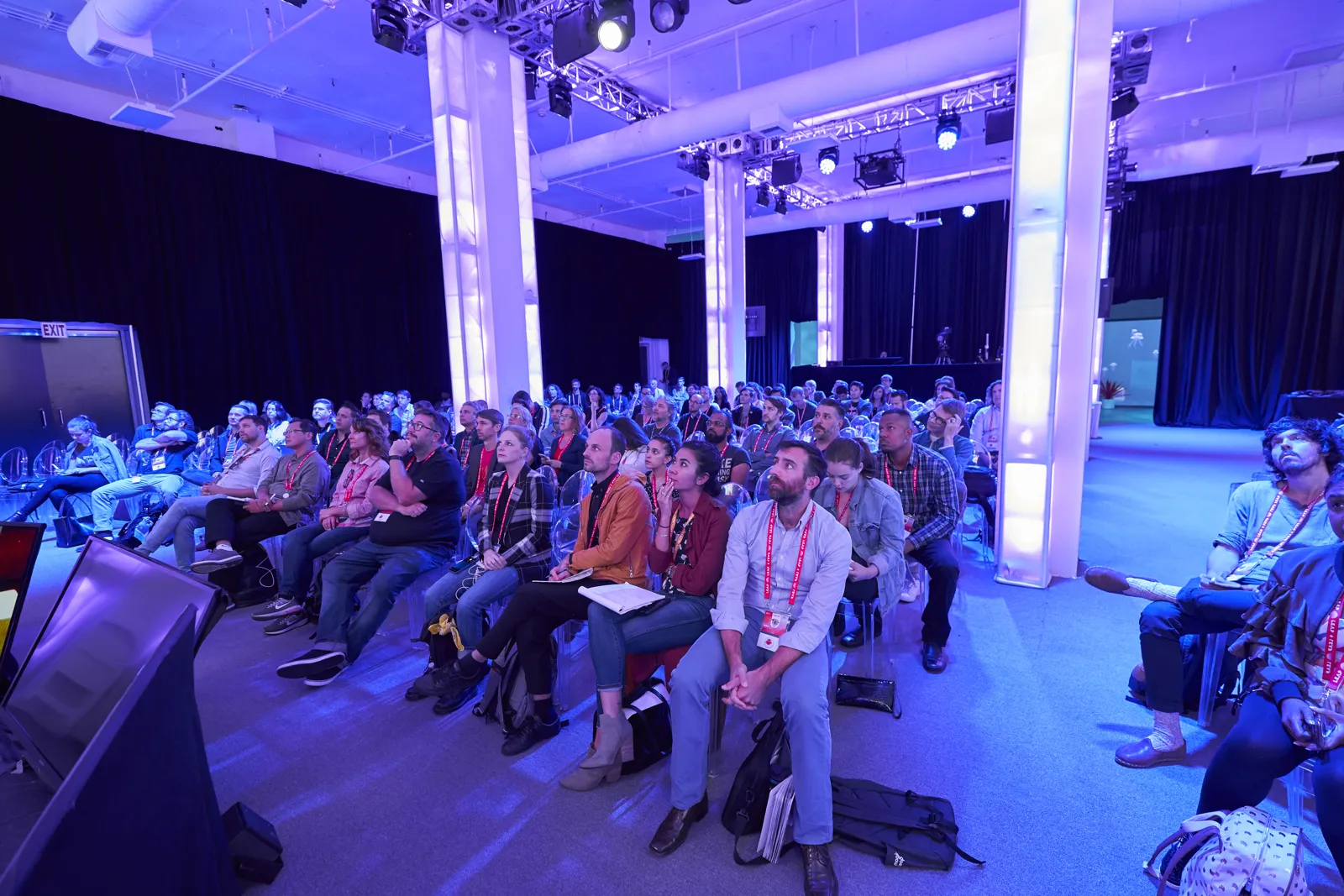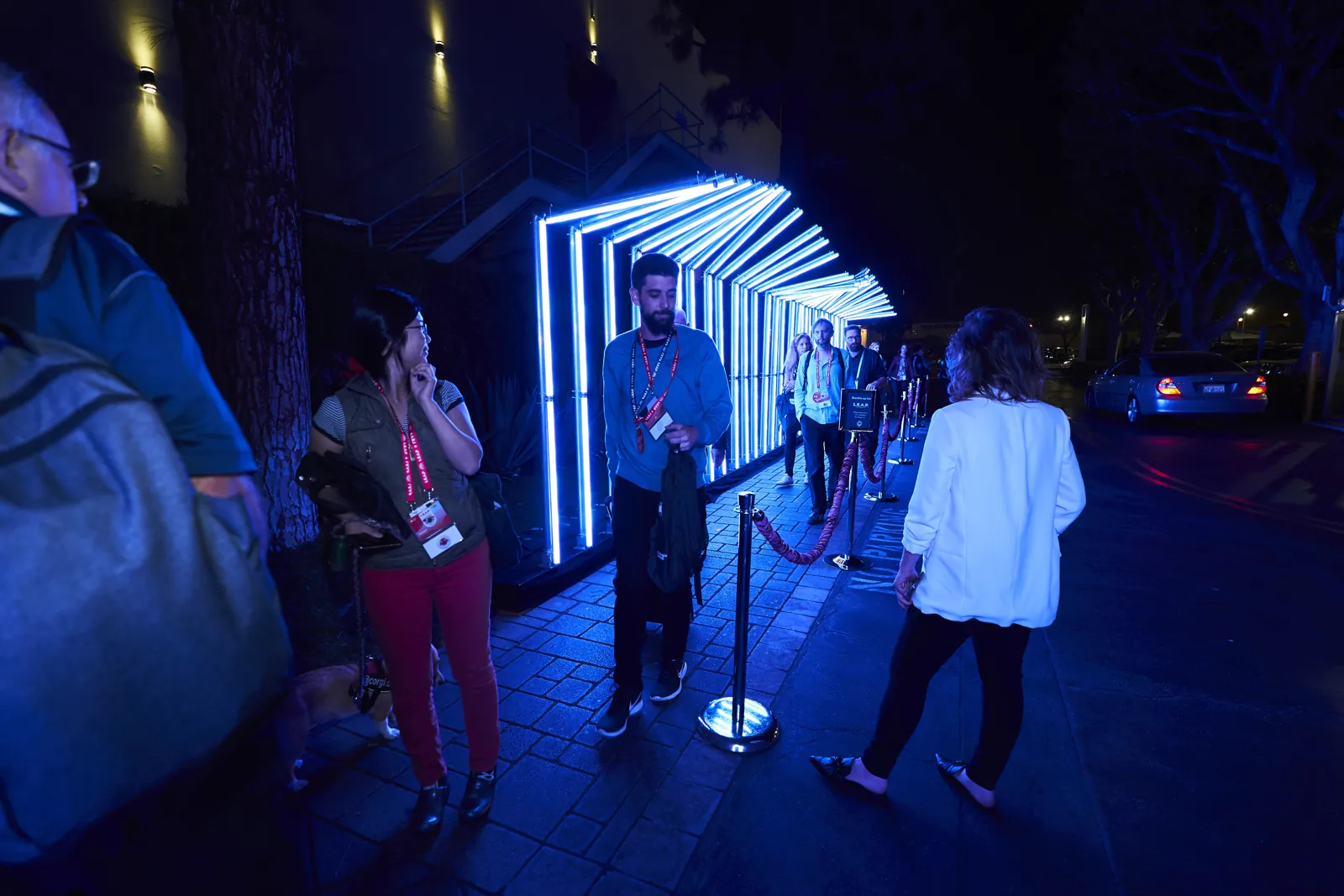
At 10 p.m. on a sold-out night, the line outside reaches the corner, the main room is packed near the stage and a guest tells the door that someone fainted by the bar. Three staff members each make a different call. Nobody is sure who can stop entry.
A crowd management plan decides those things in advance. It names who is in charge, what the team watches and the exact points at which they slow, pause or redirect the crowd.
What Is a Crowd Management Plan?
A crowd management plan is a written document that sets out how a venue will control arrival, density, movement and exit for a specific event, who has authority to act and the trigger points that prompt each action. It covers normal operations and links to the emergency action plan for evacuations and medical response.
Security staffing levels sit in their own plan. The crowd plan uses whatever team you have and tells them what to do with it.
When a Venue Needs One
Every event benefits from basic crowd planning, but some need it in writing and briefed to the whole team.
- Ticketed nights that may sell out or draw walk-up crowds
- Events with a stage, a headliner or a set start time that pulls guests forward
- General admission layouts without assigned seats
- Events that use more than one room, floor or outdoor area
- Nights where alcohol service and late hours meet a large crowd
Some fire codes require trained crowd managers for assembly events above a certain size, and some cities ask for a written plan with a permit application. Ask your local fire marshal what applies to your building and event type.
Map the Site and the Numbers
Start with a simple floor plan marked with every entry, exit, queue area, bar, stage, restroom and first aid point. Add the posted occupancy for each room and note which doors are exits only.
Then describe the crowd. Record expected attendance, ticket types, the arrival window, the peak moment such as a headliner set or midnight countdown and the expected exit window. A crowd that arrives over three hours behaves very differently from one that arrives in 20 minutes.
Mark the pinch points. Narrow corridors, a single staircase between floors, the coat check line and the space in front of the bar are where density builds first.
Assign Roles and a Chain of Command
The plan works only if one person can make the call. Name a crowd manager for the night, usually the event lead or head of security, and give them clear authority to pause entry, close a bar or stop the show.
- Crowd manager, with authority over entry, density and show stops
- Door supervisor, who controls the queue and the count at each entrance
- Zone monitors, who watch density in each room and report changes
- Medical lead, who handles first aid and calls emergency services
- Communications lead, who handles announcements and radio traffic
Write a name next to each role on the night's version of the plan. Agree on radio channels and plain words for each status, such as "slow entry" or "hold entry", so no one has to interpret a code under pressure.
Set Trigger Points
Trigger points turn judgment into action. Each one names what the team watches, the level that prompts a response and what that response is.
- Room count at 85 percent of occupancy, door slows entry
- Room count at 95 percent of occupancy, door holds entry until the count drops
- Visible pressure at the stage front, crowd manager pauses the show and makes an announcement
- Queue past a set landmark outside, door supervisor opens a second check-in line
- Any blocked exit, zone monitor reports it and staff clear it at once
Your numbers will differ by room and event. What matters is that they are written down, everyone knows them and the crowd manager does not need permission to act on them.
Plan Exits as Carefully as Entry
Most crowd planning focuses on getting people in. Exit can be harder, especially when a whole crowd leaves at once after a final song or a countdown.
Keep every exit free to open from inside, unobstructed and lit for the full event. Stagger the end of service where you can, for example by closing one bar earlier or playing a final set that lets guests drift out. Coordinate with rideshare pickup areas and nearby parking so the crowd outside does not spill into traffic.
A Crowd Management Plan Template
Use these sections, in this order, as a starting point and adapt them to each event.
- Event profile, with date, times, attendance, ticket types and arrival pattern
- Site map, with entries, exits, occupancy, pinch points and first aid
- Roles and names, with the chain of command and radio channels
- Trigger points and responses for entry, density, stage and exits
- Links to the emergency action plan, plus the post-event review notes
Brief the plan to every staff member and vendor lead before doors open, walk the pinch points together and confirm who holds the radio for each role.
Review It After Every Large Event
Within a few days, ask the crowd manager and door team what happened at each trigger point. Note any moment the room felt fuller than the count showed, any line that grew faster than expected and any exit that slowed. Update the template so the next large night starts from what you learned.
A crowd plan is ready when every person on the radio knows who makes the call.
Frequently Asked Questions
What should a crowd management plan include?
It should include an event profile, a site map with entries, exits and occupancy limits, named roles with a clear chain of command, trigger points for slowing or pausing entry and an exit plan. It should also link to the emergency action plan for evacuations and medical incidents.
Who is responsible for crowd management at an event?
The venue and the event producer usually share responsibility, and the contract should say who leads on the night. In practice, one named crowd manager should hold authority to act on trigger points. Local fire codes may also require trained crowd managers for larger assembly events.
How do you monitor crowd density at an event?
Most venues track entry and exit counts with ticket scans or handheld counters, compare them with each room's posted occupancy and station staff to watch pinch points. Zone monitors report changes by radio so the crowd manager can slow or hold entry before a room reaches its limit.
Does a venue need a crowd management plan for small events?
A small private dinner rarely needs a written plan beyond basic exit rules. Once an event is ticketed, general admission or close to a room's occupancy, a short written plan becomes worthwhile. Your fire marshal or insurer may also require one for certain event types.