Instagram is where a huge share of event planning starts, especially for weddings, milestone celebrations, and social events. Couples and planners scroll for inspiration, save the spaces they love, and reach out through a direct message long before they ever fill out a form. For a venue, that makes Instagram a front door as much as a billboard, and most venues leave that door half closed.
The common mistake is treating the account like a brochure, with a few polished photos, a posting habit that fades after a month, and a bio with no clear next step. An Instagram account that actually books tours works like a small, consistent system. It posts the right kinds of content on a steady cadence, it makes the venue easy to find locally, and it turns a comment or a saved post into a real conversation that ends in a tour.
How Do Event Venues Get Bookings From Instagram?
Event venues get bookings from Instagram by posting real-event content consistently, using local geotags and hashtags so nearby planners find them, and treating direct messages as a sales channel that routes serious inquiries straight to a tour. The platform fills the top of the funnel with planners already in a buying mindset, and a clear path from post to DM to tour converts that attention into bookings.
Build Your Venue's Instagram Content Around a Few Pillars
A venue account that posts whatever happened to look nice that week never builds momentum. Pick three or four content pillars and rotate through them so the feed stays varied without you reinventing it every time.
- Real events, such as full setups, packed dance floors, and happy clients (with permission)
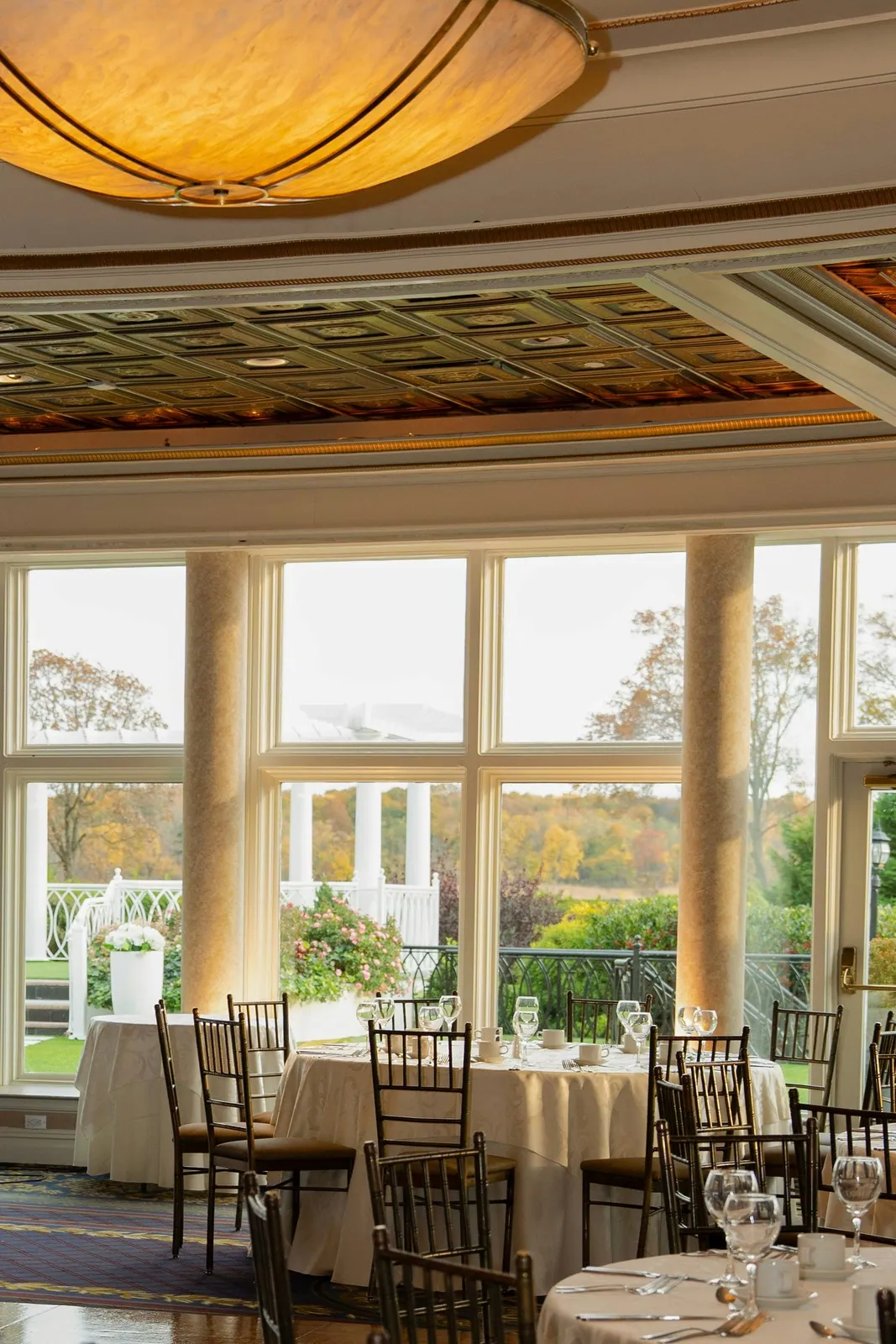
- The space itself, shown in different light, layouts, and details
- Behind the scenes, like a turnover, a setup crew, or a vendor at work
- Social proof, such as a client quote, a tagged photo, or a planner's reel
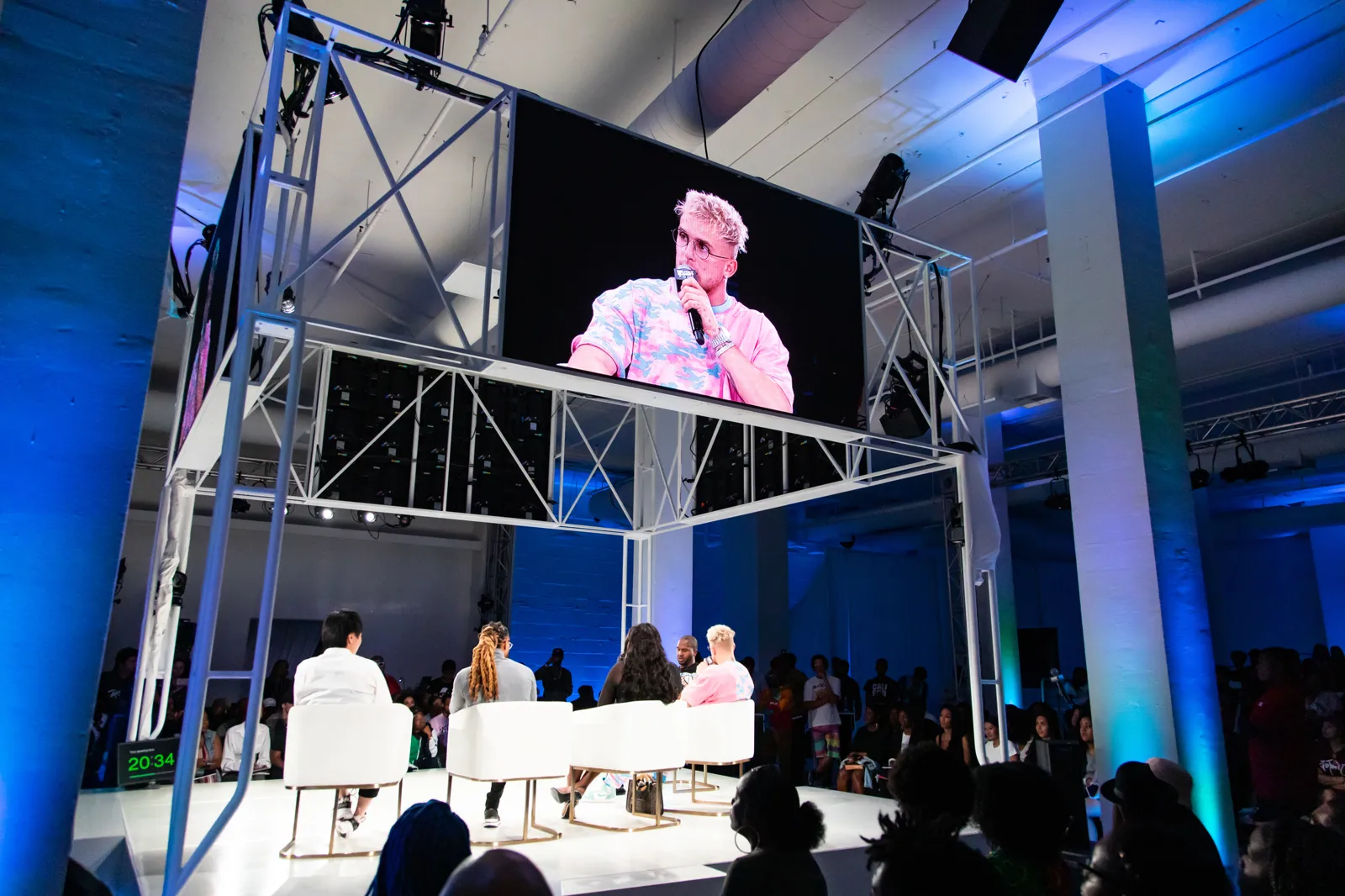
Real-event content is the engine. A reel of an actual wedding or corporate mixer in your space does more to book a tour than any styled photo, because it lets a viewer picture their own event there and shows the room full and alive. Plan to capture a few clips at every event you host, with the client's okay, and you will never run short of material.
Make Reels Do the Heavy Lifting
Short video reaches far more people than static posts on Instagram right now, and venues are unusually well suited to it because every event is a built-in production. A phone, a few steady clips, and a simple edit are enough, so you can skip the videographer.
The reels that perform for venues tend to be simple. Think of a 15 to 30 second walk-through of a space set for an event, a fast turnover from empty room to full setup, or a sweep across a celebration at its peak. Keep them short, lead with the strongest three seconds, and add a line of on-screen text that names the event type and capacity.
Fall and holiday events produce some of the best footage of the year, so capture plenty over the next two months. January brings a wave of newly engaged couples and corporate planners searching for next year's venues, and a backlog of fresh reels puts you in front of them.
Get Your Venue Found Locally on Instagram
Planning is local, and Instagram has strong local signals if you use them. The goal is to show up when someone nearby searches for a venue or browses location-tagged posts.
Geotag every post and reel with your venue's location. Mix in nearby neighborhood and city tags so you surface in local searches. Use a focused set of hashtags that combine your event types with your area, the kind a planner in your market would actually search. A handful of relevant, local hashtags beats 30 broad ones.
Keep your bio working too. It should name what you are (venue type and city), who you are for (the events you host), and exactly how to take the next step. A bio that ends with "DM your date to check availability" tells a ready planner precisely what to do.
Turn Instagram DMs Into Venue Tours
This is the step most venues skip, and it is where the bookings actually live. The comments and direct messages your content earns are inquiries, and they deserve the same speed and care as a form submission.
When a planner comments or messages, reply fast, ideally within the hour during the day, the same standard you would hold for any inquiry. Confirm their date, give a price range and a capacity answer, and propose a specific tour time with two options. Keep the conversation moving past a polite thanks for reaching out.
The challenge is that Instagram messages live in a different place than your website inquiries, and serious leads get lost when the channels are separate. Venues that move every serious inquiry, whether it came from a form, a marketplace, or a DM, onto one booking calendar respond faster and lose fewer of them. In ShoSoft, for example, a date confirmed over Instagram sits on the same calendar across spaces as every other booking, so a DM never turns into a double-booked Saturday.
Scroll back through the last 90 days of DMs and count the date or pricing questions that never got a tour offer. Each one is a lead you already paid for with content.
Post on a Cadence You Can Actually Keep
Consistency beats volume. An account that posts three times a week for a year outperforms one that posts daily for a month and then goes quiet. For most venues, a sustainable rhythm is three to five posts a week, with at least two of them reels, plus daily stories pulled from events, setups, and behind-the-scenes moments.
Batch the work. Spend 30 minutes after each event capturing and saving clips, then set aside an hour once a week to edit and schedule. That comes to two or three hours a week for a small team, which is enough to keep the account in front of local planners without it becoming a second job.
Start With One Real-Event Reel This Week
Pick your best recent event, cut a 20-second reel from the footage, geotag it, add a few local hashtags, and end the caption with "DM your date to check availability." Then watch the messages and reply fast. One good reel and one fast reply make up the whole loop, and a loop you repeat every week is what fills a tour calendar.