Long restroom lines are one of the most common complaints after a large event, and guests remember them more than the centerpieces. The problem usually appears only when a venue hosts a crowd bigger, longer or thirstier than its building was designed for.
Planning restrooms is part science and part judgment. The building code tells you what your permanent fixtures support, and a few rules of thumb tell you when an event needs more.
How Many Restrooms Does an Event Need Per Guest?
The number of restrooms an event needs depends on guest count, event length and whether alcohol is served. Portable restroom suppliers often start from roughly one toilet for every 50 guests for an event of about four hours, then add units for longer events, heavy bar service and crowds expected to use the facilities at the same moment, such as an intermission. Indoors, your building's permanent fixtures are sized by the local plumbing code for the occupancy the building was approved for.
Start With Your Building's Fixture Count
Every permanent venue was approved with a set number of toilets, urinals and sinks, based on its occupancy classification and occupant load under the plumbing code your city or county has adopted. That number is the baseline. If an event stays within the occupant load and use you were approved for, your fixtures generally meet code.
Know your counts before you sell. Walk the building and list every toilet, urinal, sink and accessible stall by location. Many operators discover that one restroom block serves the main hall while the second sits at the far end of the building where guests rarely find it.
Rules of Thumb That Change the Number
Code compliance and guest comfort are different questions. A room can meet code and still produce a twenty-minute line at the wrong moment.
- Longer events need more capacity, since every guest uses the restroom more than once
- Bar service increases demand, especially beer and long cocktail hours
- Breaks and intermissions concentrate use into a few minutes
- Crowds with more women need more toilets, since urinals do not serve them
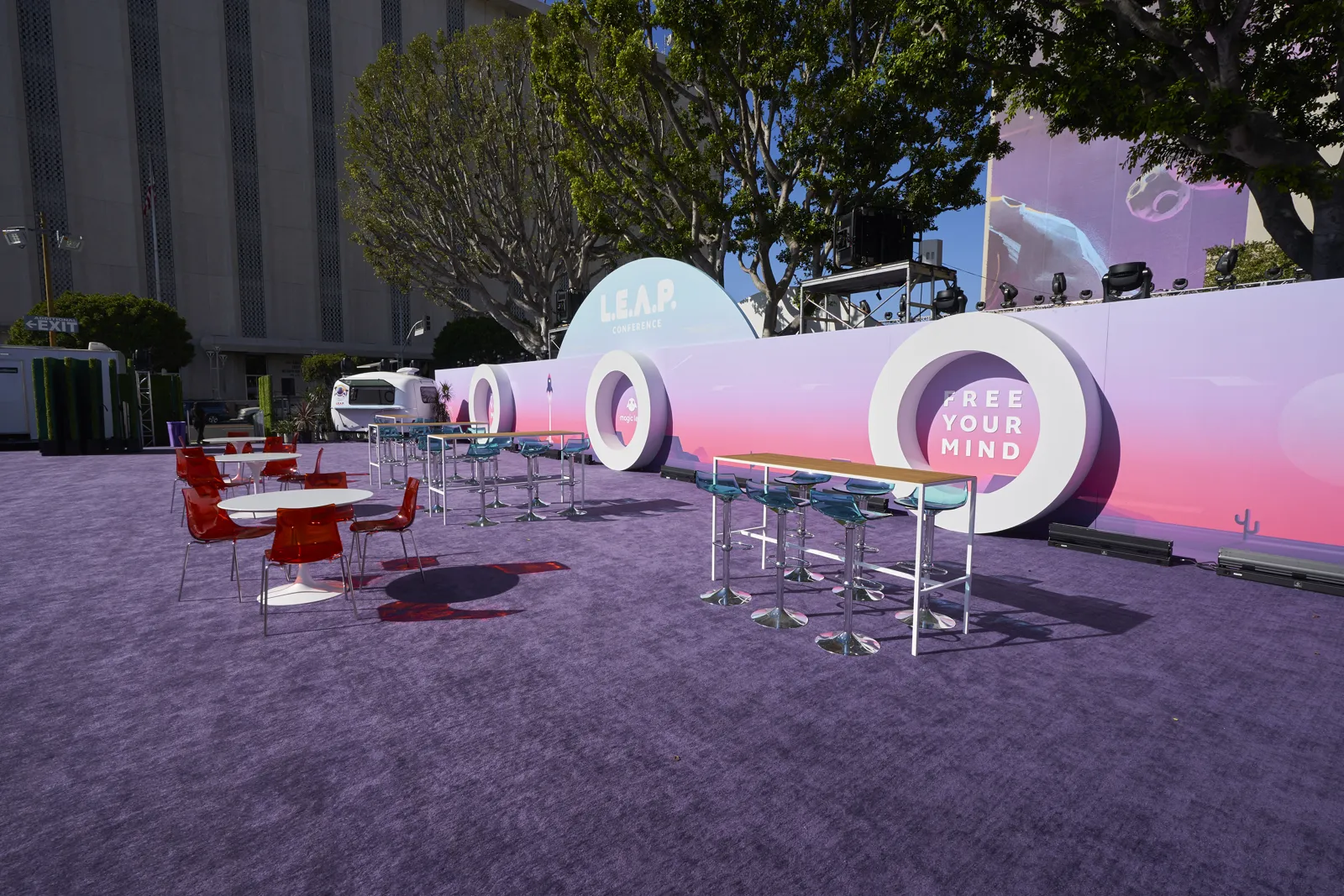
- Outdoor areas far from the building need their own facilities
Supplier charts vary, so use them as a starting point and adjust from your own experience. If a 300-guest wedding with an open bar produced lines at your venue last spring, the same event this spring needs more capacity whatever the chart says.
When to Add Portable Restrooms
Portable units help when an event exceeds what your building can comfortably serve, or when guests will spend most of the event outdoors. Common triggers include tented receptions on a lawn, festivals and markets on a lot, and events that push close to your maximum capacity with a long bar service.
Portable options range from basic single units to restroom trailers with running water, lighting and climate control. Weddings and corporate events usually want trailers. Markets and festivals often use standard units with separate handwashing stations.
Plan the placement with the supplier. Units need level ground, access for the service truck, lighting at night and a route that keeps guests away from cables and kitchen areas. Accessibility rules generally require accessible units in each cluster, so confirm how many your setup needs with the supplier and your permit office.
Check Local Code and Permit Requirements
Rules differ by state, county and city. The plumbing code sets fixture counts for permanent buildings, while health departments and special event permit offices often set requirements for temporary events and outdoor gatherings.
If an event needs a special event permit, the application may ask for the number of restrooms, handwashing stations and accessible units. Call the permit office or your local health department before quoting a large outdoor event. The fire marshal may also have a view on where trailers can sit relative to exits and fire lanes.
Service and Staffing During the Event
Restroom capacity is only half of the guest experience. The other half is whether the restrooms are clean, stocked and easy to find.
Assign a staff member to check restrooms on a schedule, every 30 to 60 minutes during busy events, to restock paper and soap and report problems. Post clear signs from the main room, and add a second sign at any point where guests usually turn the wrong way.
Keep a small restroom kit near each block with extra paper, soap, a plunger, gloves and a wet floor sign. A blocked toilet fixed in five minutes is a minor event, and one left for an hour becomes the story of the night. For long events with portable units, ask the supplier about an attendant or a mid-event service visit.
Audit Your Restroom Capacity This Week
List your fixtures by location, then pull your five largest events from the past year. Note guest count, event length, bar service and whether guests or staff mentioned lines. That short review shows the guest count at which your building starts to struggle, which is the number to build into your sales notes and your portable restroom rules.
Good restroom planning goes unnoticed, which is the goal.
Frequently Asked Questions
How many portable toilets do I need for 100 guests?
For a short event without alcohol, many supplier charts suggest two units as a starting point for about 100 guests, adding more for longer events or an open bar. Include at least one accessible unit and a handwashing station. Ask the supplier to confirm based on your event length and layout.
Do restroom trailers count the same as portable toilets?
Trailers are counted by the number of stalls they contain, so a trailer with several stalls can replace several single units. They usually need power and sometimes a water connection. Confirm access, power and placement with the supplier before you commit.
Does alcohol really change how many restrooms an event needs?
Yes, events with bar service see more frequent restroom use, especially during long cocktail hours. Many planners add capacity when alcohol is served. Your own records from past events are the best guide for your venue.
Who is responsible for restrooms at an outdoor event, the venue or the client?
It depends on the contract. Many venues provide restrooms for events inside their approved capacity and require the client to rent extra units for larger or outdoor events. Write the rule into your rental agreement and quote portable units as a line item so nothing is assumed.