
Planners, clients and even venue owners use venue labels loosely. One person's "event space" is a full-service hall with in-house catering, and another's is an empty room with power and a loading door.
This glossary defines the common types of event venues by what they usually include, how many guests they tend to hold and which events fit them best. Capacities here are broad typical ranges, since a single building can hold anything from a boardroom to a hall for a thousand.
What Are the Main Types of Event Venues?
The main types of event venues are hotel and conference venues, banquet halls, restaurants and beverage venues, cultural and historic venues, industrial or blank canvas spaces, and outdoor or rural venues. They differ mostly in how much they include. Some supply food, staff, furniture and AV in one package, while others rent the space and leave the rest to the client and outside vendors.
Hotel and Conference Venues
Hotel ballrooms and meeting rooms
Hotel event space ranges from small meeting rooms for a dozen people to ballrooms that hold hundreds, and at large convention hotels well over a thousand. Catering, tables, chairs, linens and basic AV usually come from the hotel, and guest rooms can be blocked on site. Best fit for conferences with overnight attendees, weddings with traveling guests and corporate meetings that want one bill.
Conference centers
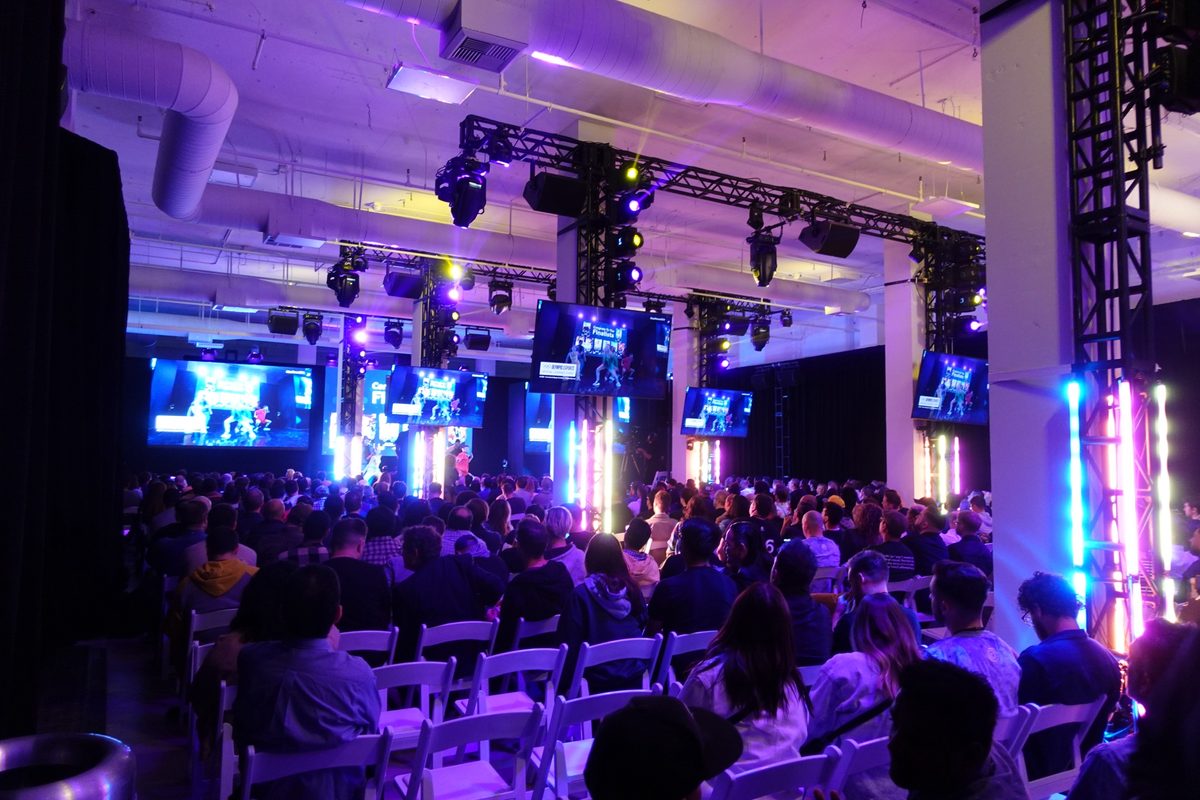
A conference center is built for meetings, with a general session room, breakout rooms and built-in AV. Many are independent and some sit inside universities or office campuses. Best fit for multi-session programs, trainings and association meetings.
Convention centers
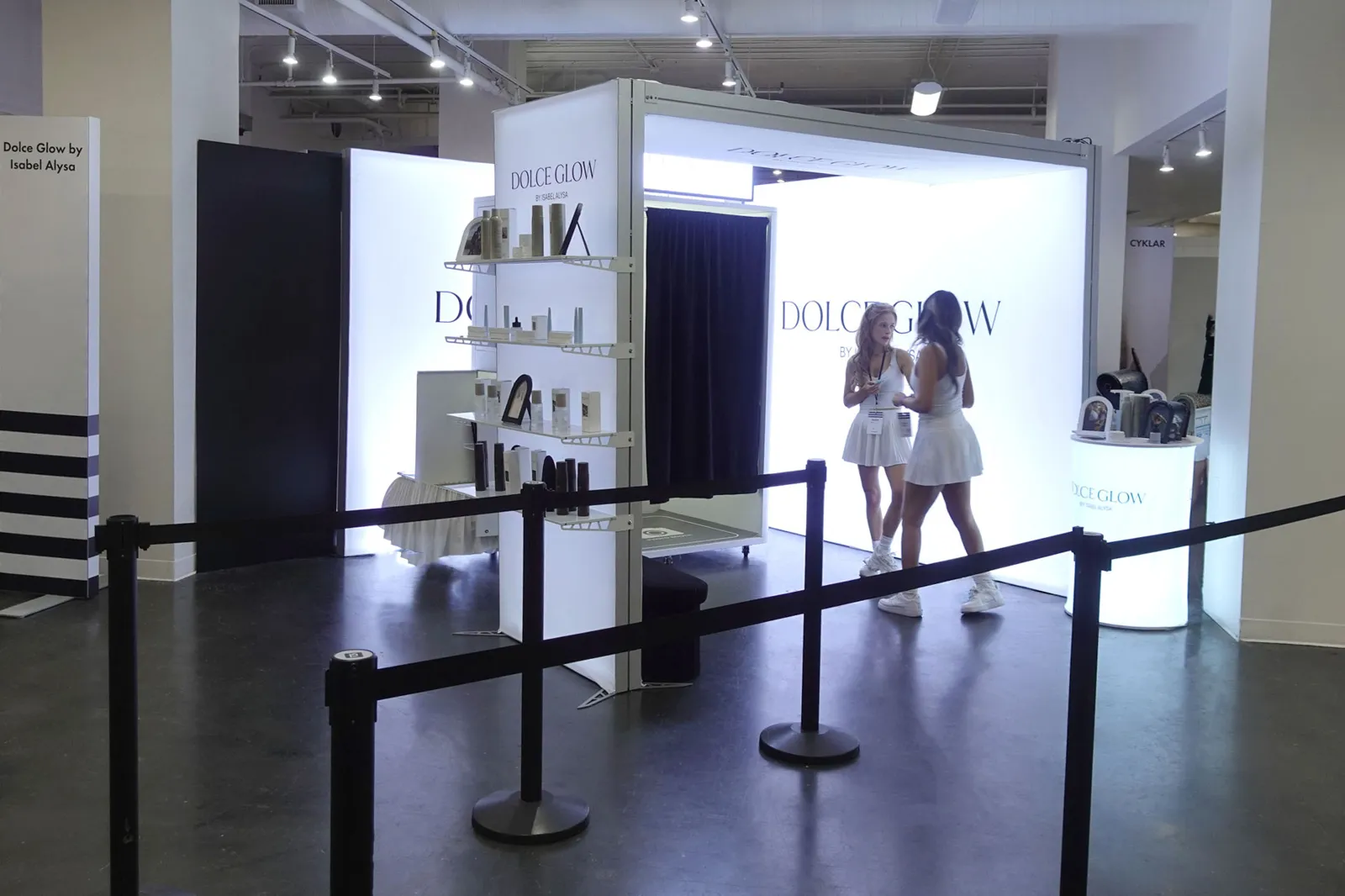
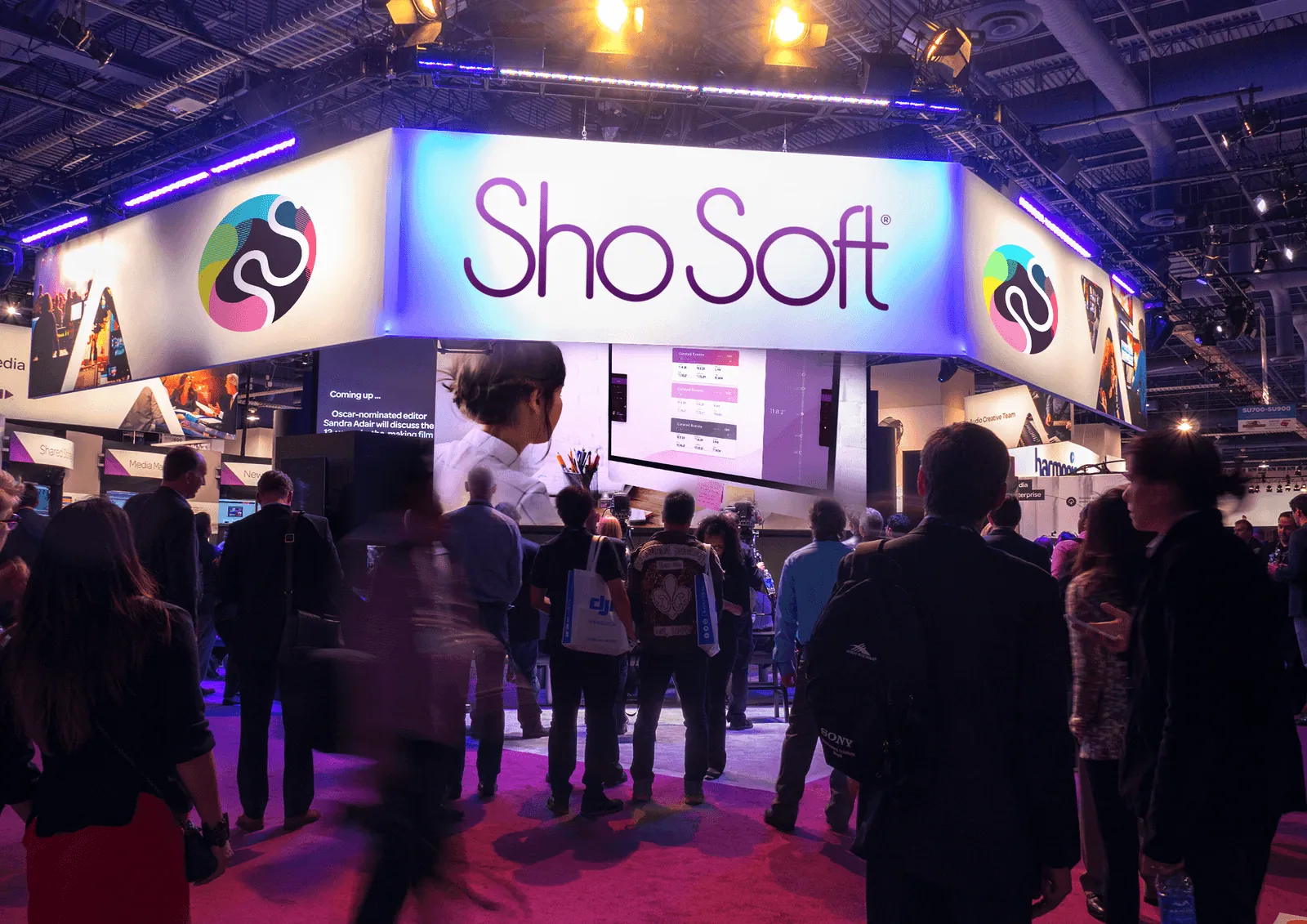
Convention centers hold trade shows and very large conventions, with exhibit halls measured in tens of thousands of square feet or more. Food is often provided by an exclusive caterer and most services are ordered separately. Best fit for exhibitions and events with thousands of attendees.
Banquet Halls and Community Venues
Banquet halls
A banquet hall is a dedicated event room, often with an in-house kitchen and a list of approved or exclusive caterers. Packages usually bundle tables, chairs, linens and service staff. Capacity commonly runs from about 100 to several hundred seated. Best fit for weddings, quinceañeras, galas and large family celebrations.
Community centers
Community centers rent multipurpose rooms, gyms and halls, often at lower rates and with rules shaped by public or nonprofit ownership. Best fit for civic meetings, cultural celebrations, fundraisers and budget-conscious private parties.
Restaurants and Beverage Venues
Restaurants and private dining rooms
Private dining rooms and restaurant buyouts suit groups from about ten to a hundred or so, with the menu and service built in. Pricing usually runs on a food and beverage minimum. Best fit for rehearsal dinners, client dinners and holiday parties.
Wineries, breweries and distilleries
These venues pair a production space with a tasting room, barrel room or patio. Alcohol service is usually limited to their own product under their license, and outside alcohol is often not allowed. Best fit for weddings, team outings and tasting events.
Cultural and Historic Venues
Museums and galleries
Museums and galleries rent galleries, atriums and courtyards after hours, with strict rules on food, drink, open flame and distance from the collection. Best fit for galas, receptions and brand events that want a memorable backdrop.
Historic homes and estates
Mansions, estates and historic buildings offer character and photo locations, often with tight capacity, limited parking and preservation rules on decor. Best fit for weddings, small galas and photo shoots.
Theaters and performing arts centers
Theaters bring fixed seating, a stage, lighting and sound, with lobbies that can host receptions. Best fit for award shows, product launches, talks and performances.
Industrial and Blank Canvas Spaces
Warehouses and lofts
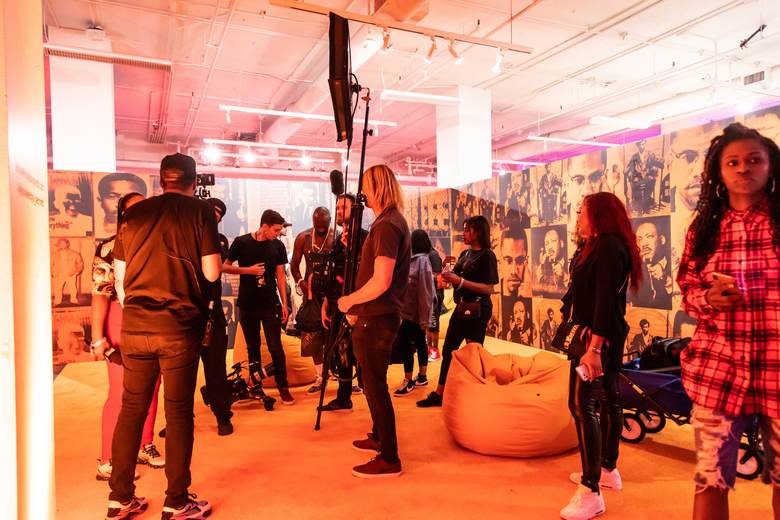
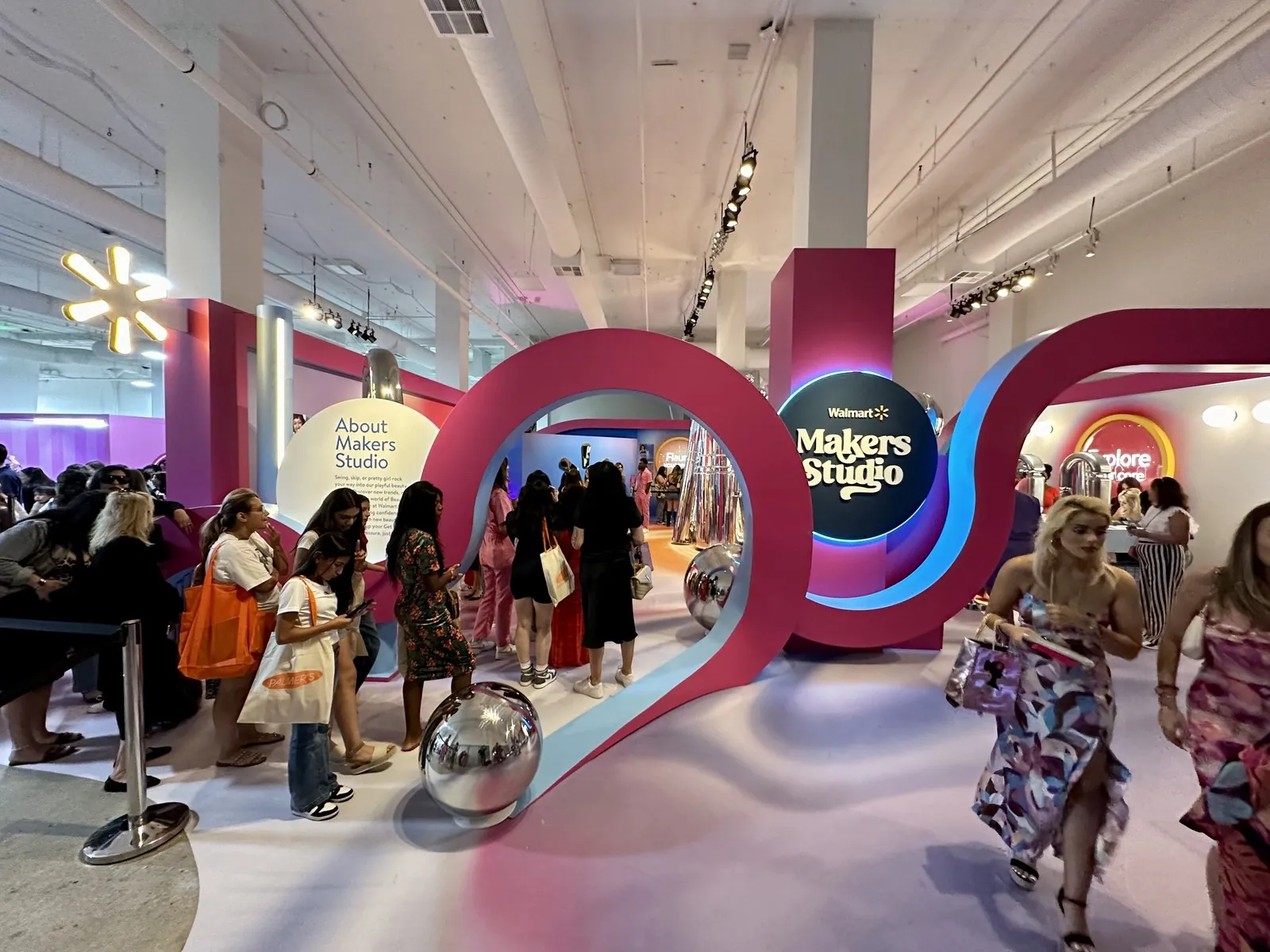
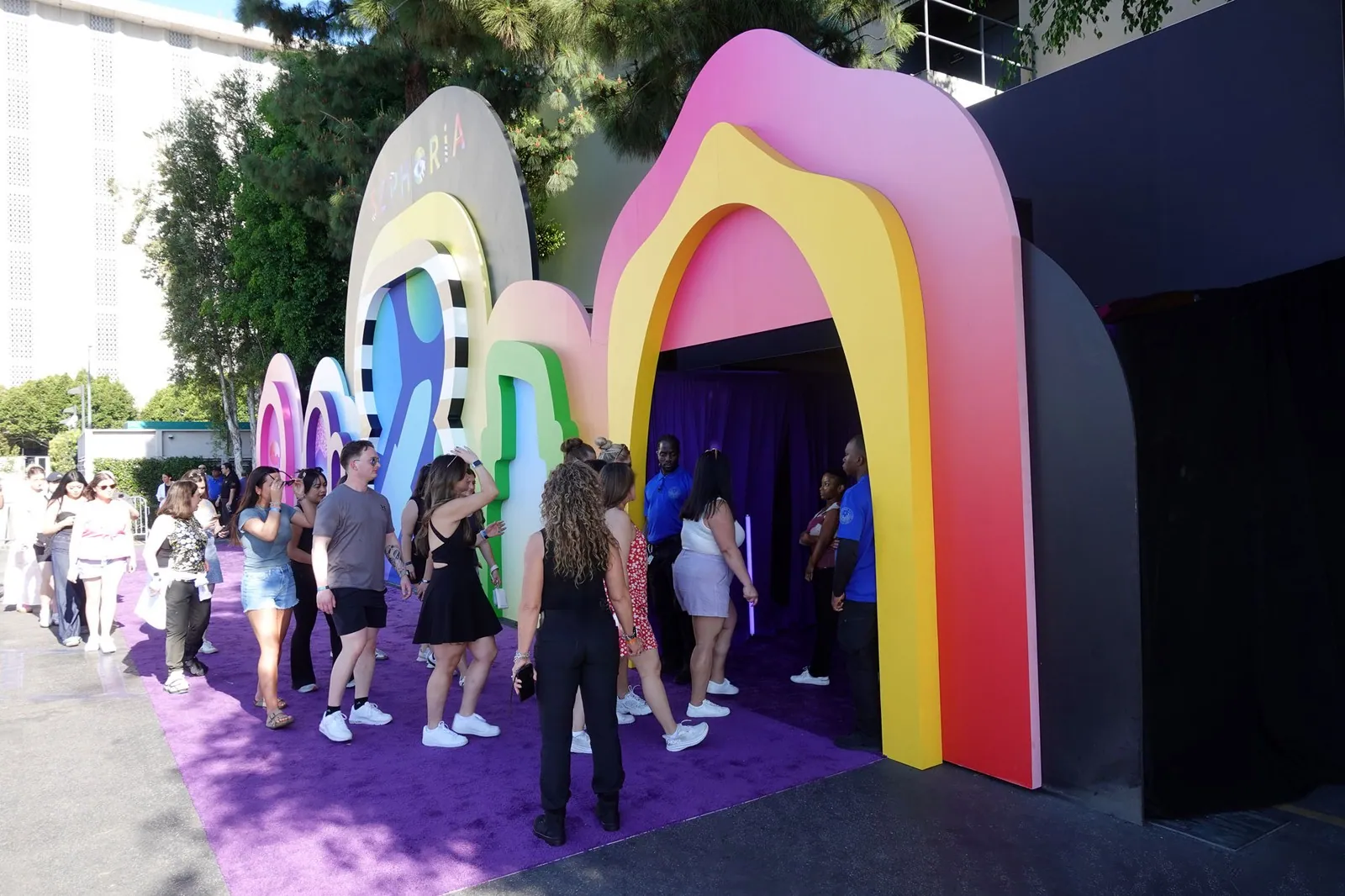
Warehouses and lofts offer open floor, high ceilings and an industrial look, usually with little furniture or catering included. The client or planner brings in rentals, catering and production. Best fit for brand activations, fashion shows, large parties and pop-ups.
Creative and production spaces
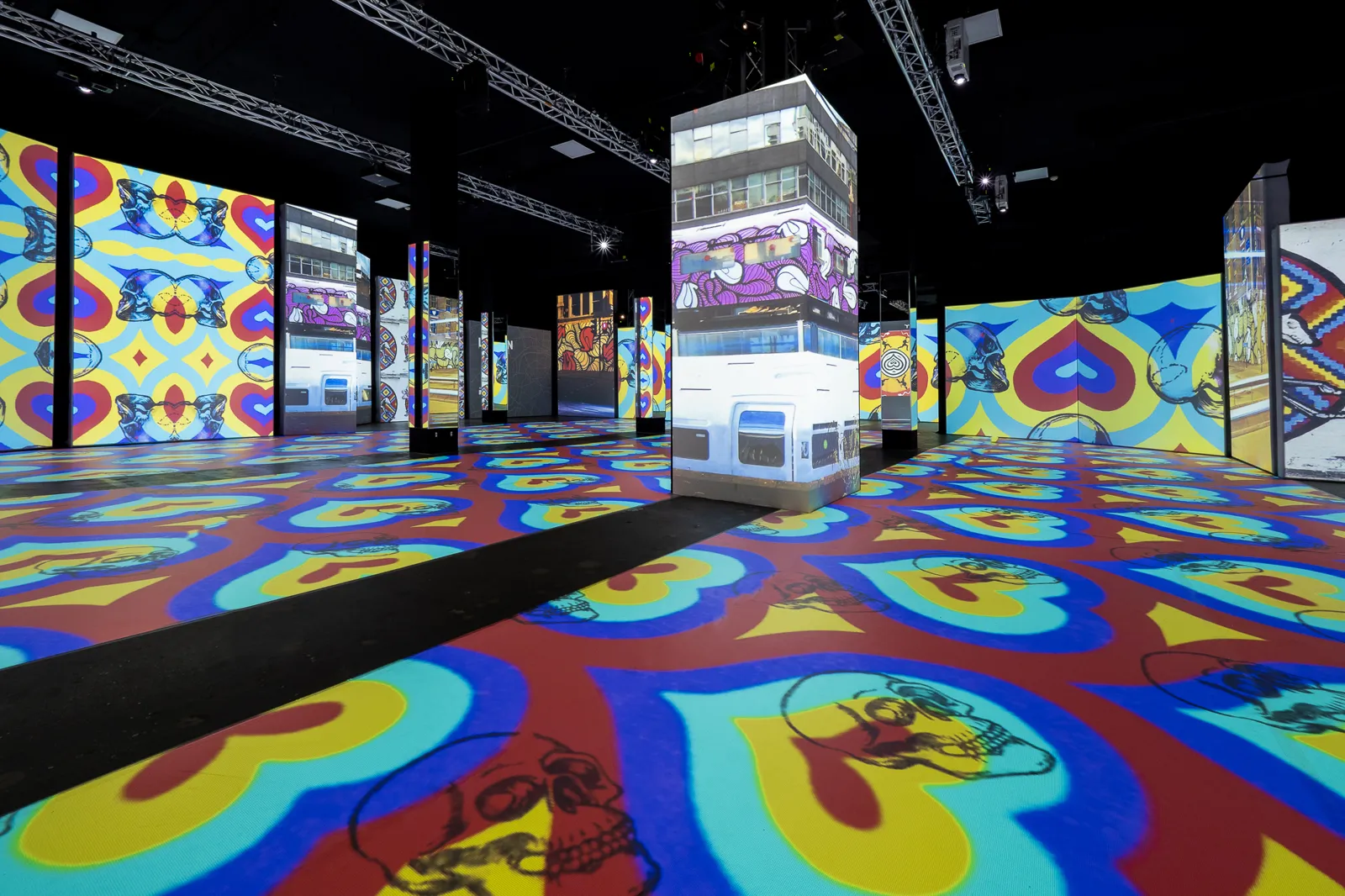
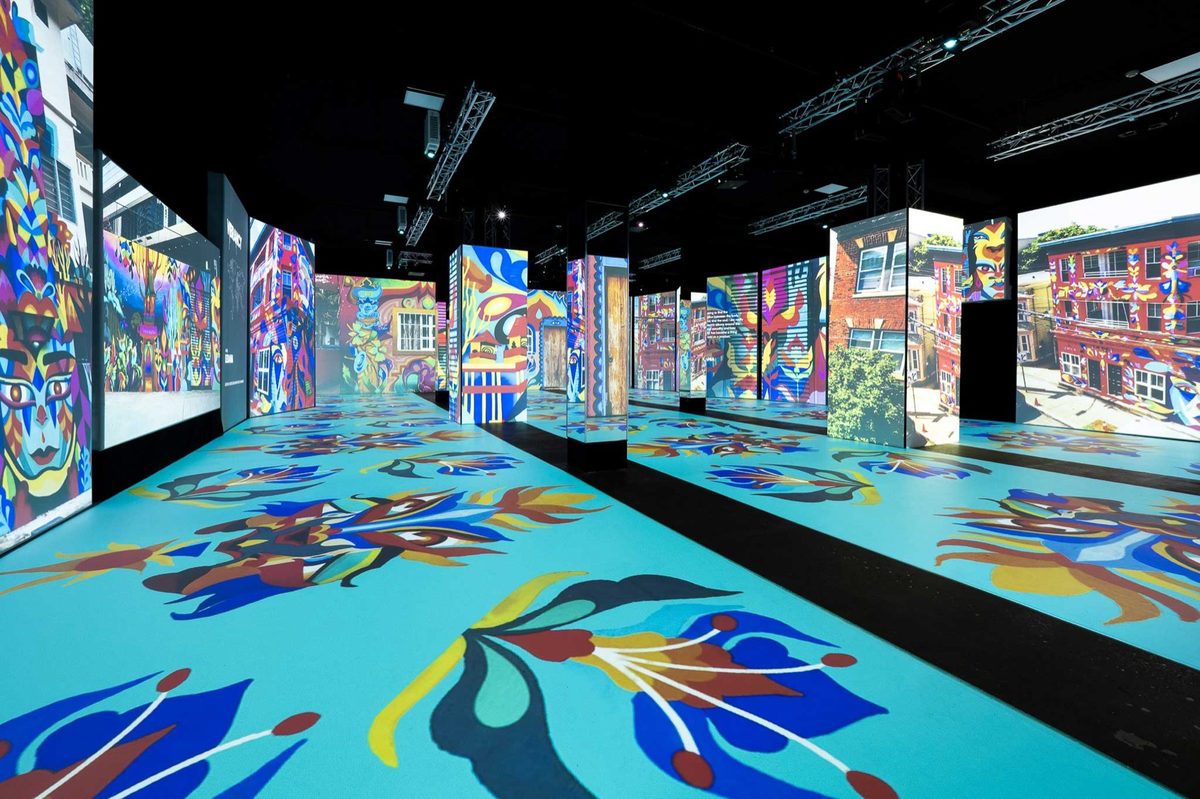
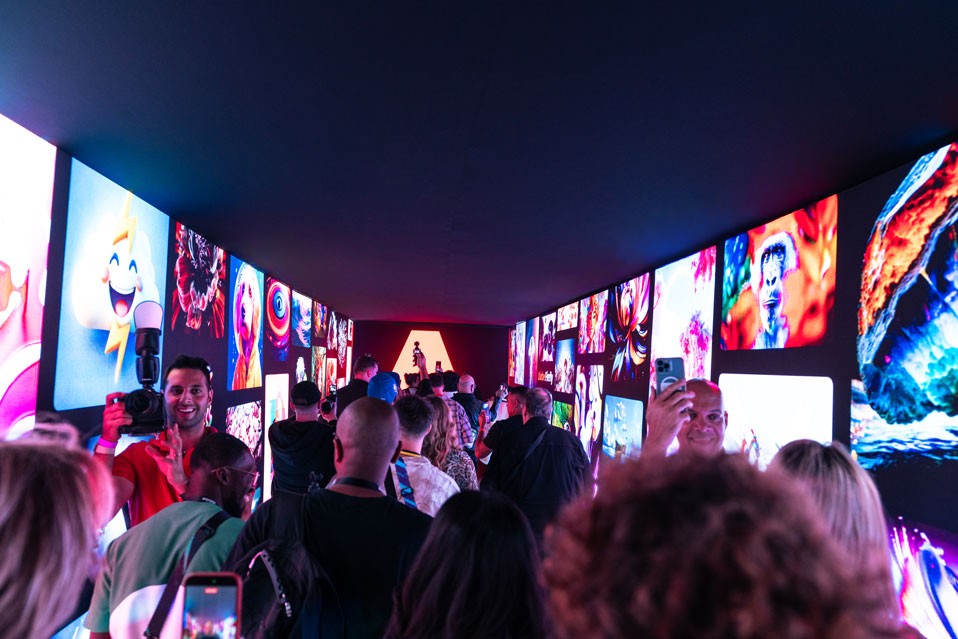
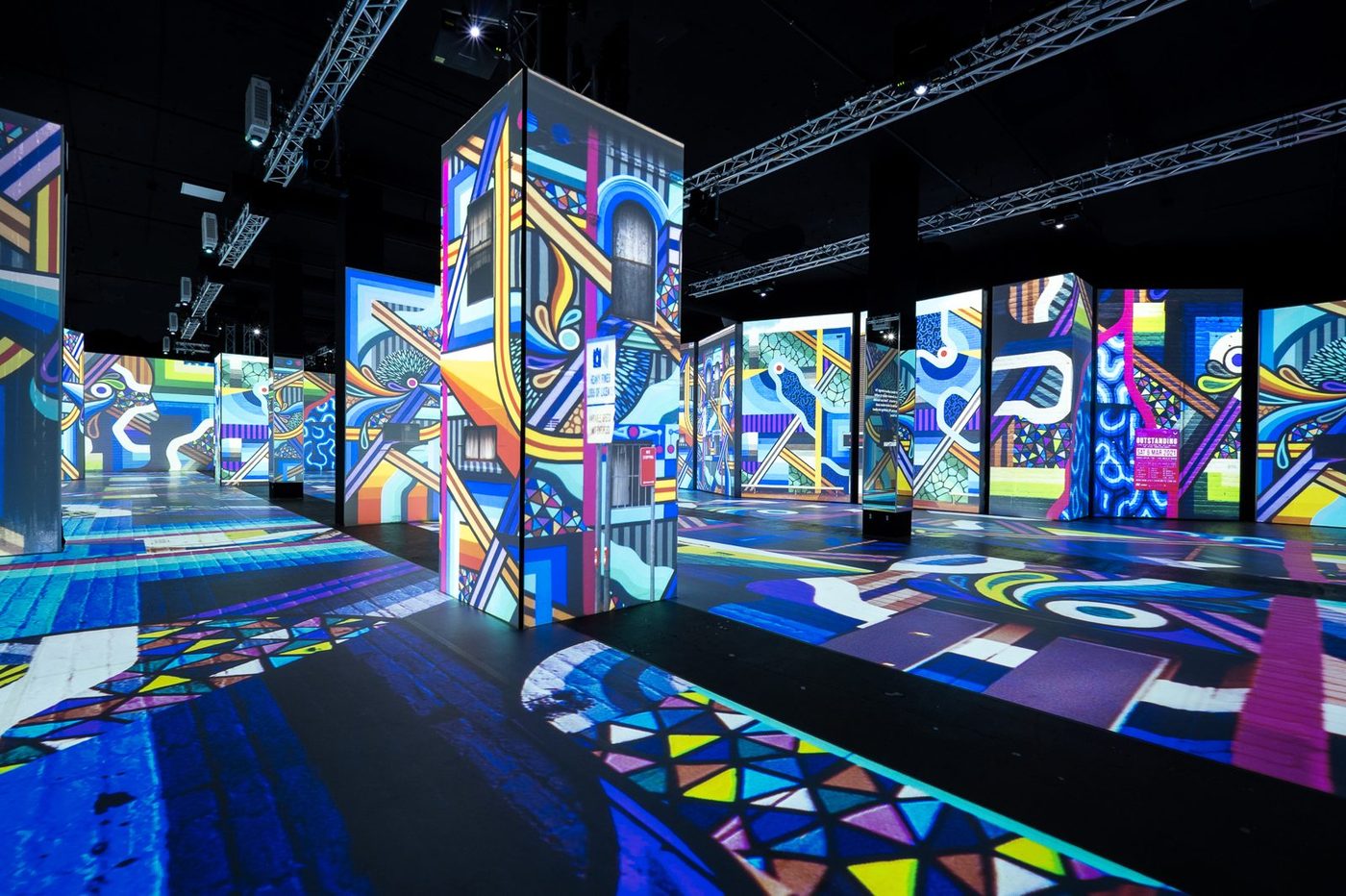
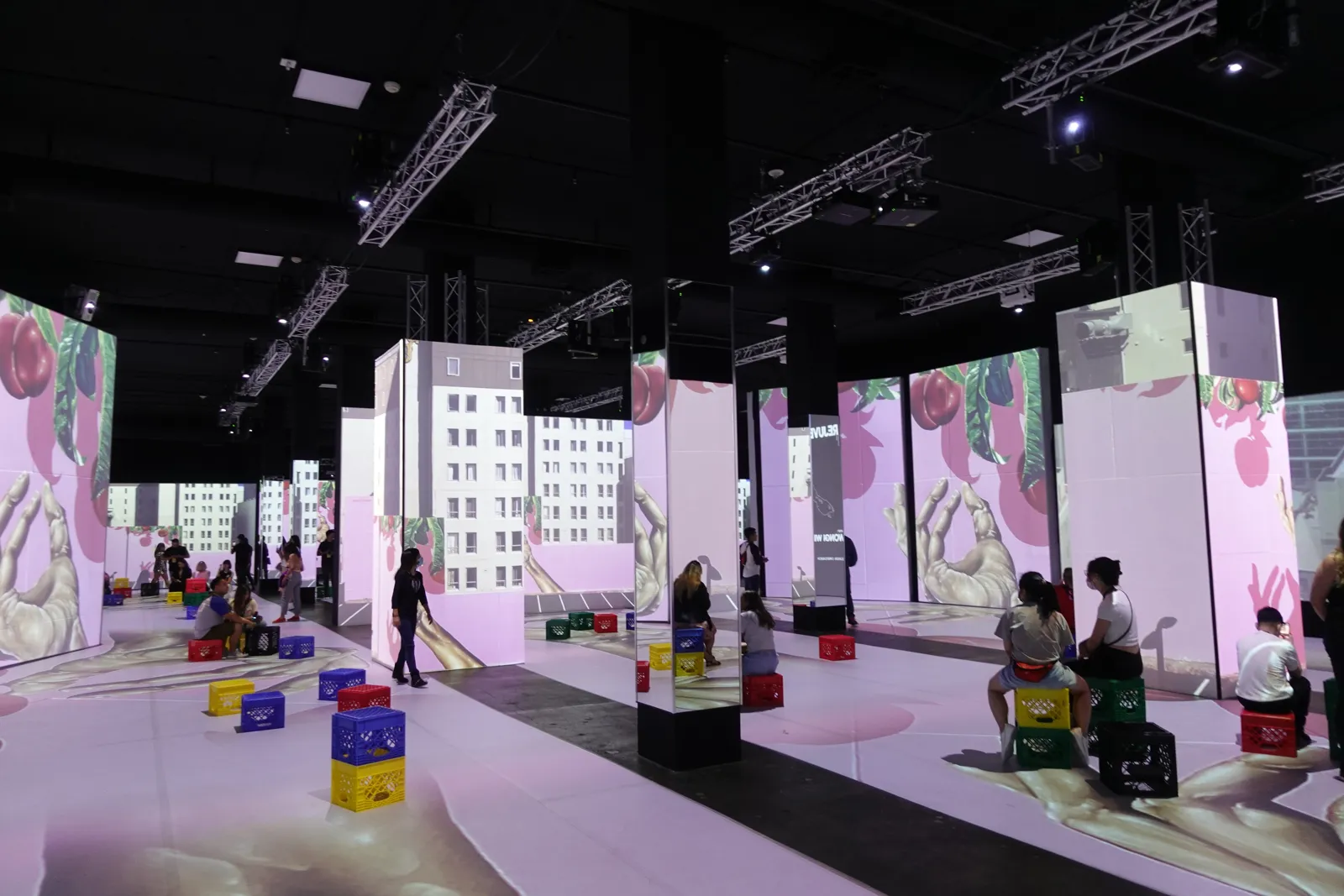
Purpose-built creative venues add rigging points, power for production and flexible rooms, sometimes with studios for film and photo. Best fit for immersive experiences, exhibitions and brand events that need build time.
Outdoor and Rural Venues
Barns and farms
Barn and farm venues pair a rustic indoor space with lawns and ceremony sites. Many are seasonal and some rely on tents and rented restrooms. Best fit for weddings and casual celebrations.
Gardens, parks and rooftops
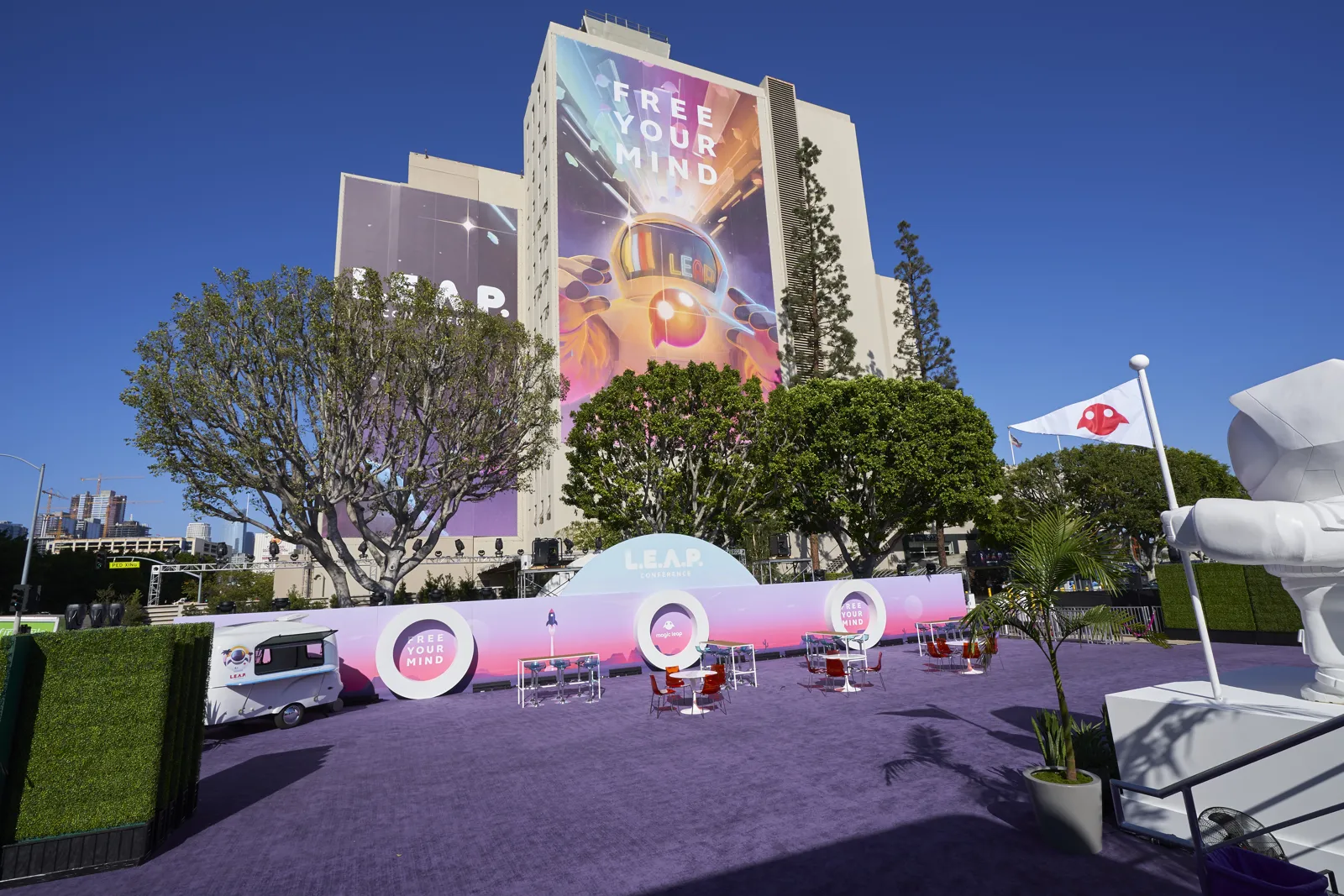
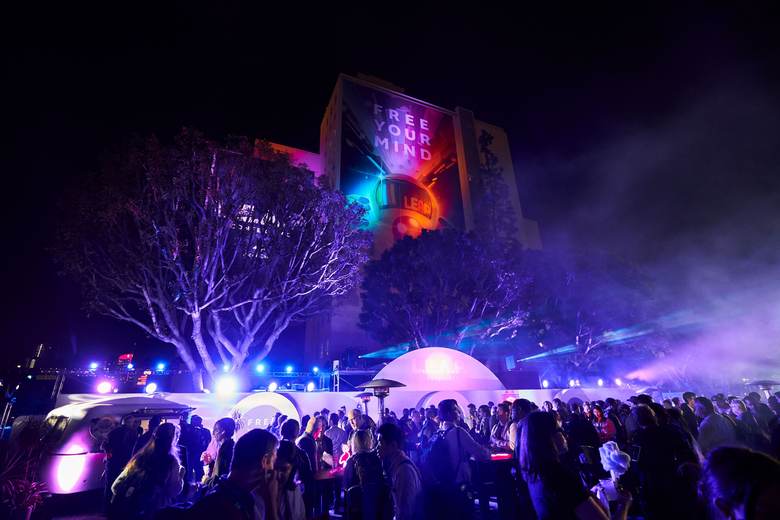
Gardens, parks and rooftops trade walls for views, which makes a weather plan and permits central to every booking. Best fit for ceremonies, cocktail receptions and summer parties.
How to Describe Your Own Venue Type
Many venues fit more than one label, and that is useful if you say so clearly. Pick one primary type for your website, listings and proposals, then name the secondary uses.
- Lead with the type a planner would search for
- State seated and standing capacity for each room
- Say what is included and what clients bring in
- List the three events you host most often
Check your listings this week against that list. If your site says "event space" but your best clients book you as a gallery or a conference venue, change the wording to match how they found you.
Frequently Asked Questions
What is the difference between a venue and an event space?
The terms overlap and most people use them interchangeably. "Event space" often suggests a room rented mainly for its floor area, sometimes with few services included. "Venue" is the broader word and covers everything from full-service hotels to empty warehouses.
What type of venue is best for a corporate event?
It depends on the format. Conferences and trainings suit conference centers and hotels with breakout rooms, client dinners suit private dining rooms and product launches often suit theaters, galleries or warehouses. Match the room mix and AV to the agenda first, then the look.
What is a blank canvas venue?
A blank canvas venue rents the space with little or nothing included, so the client brings in catering, furniture, decor and often production. Warehouses, lofts and some galleries work this way. It offers creative freedom but usually raises the planning load and the rental budget.
What is a unique venue?
A unique venue is any space whose main purpose is something other than events, such as a museum, aquarium, library, winery or historic home. Planners choose them for atmosphere and memorability. They often come with stricter rules on catering, decor and timing than purpose-built event spaces.