Corporate clients book a wide range of events, and the word "corporate" hides how different they are. A twelve-person board meeting and a 400-person product launch share a buyer type and almost nothing else. Each needs different rooms, hours, food, AV and staff.
Venues that understand those differences quote faster, build better packages and avoid promising a space that suits one kind of corporate event to a client planning another.
What Are the Main Types of Corporate Events?
The main types of corporate events are internal meetings and board meetings, training sessions and workshops, conferences and seminars, product launches and brand events, holiday parties and celebrations, team-building events and retreats, client appreciation and networking events, and awards or recognition nights. They differ in size, purpose, timing and what they need from a venue. Most fall into two groups, working events that need focus and equipment, and social events that need atmosphere and hospitality.
Meetings, Trainings and Workshops
Internal meetings, leadership sessions and board meetings are usually small, from a handful of people to a few dozen. They run during business hours and value privacy, quiet and reliable equipment.
- A private room with a boardroom or U-shape layout
- A screen, video conferencing, strong Wi-Fi and power at every seat
- Coffee service, a working lunch and snacks
- Minimal interruptions and a nearby space for breakout calls
These meetings often book with short notice and repeat quarterly. A clear day-rate package with food and AV included makes them easy to buy.
Training days and workshops need a room people can work in for hours. Classroom or cluster seating, good natural light, whiteboards or flip charts and comfortable temperature matter more than decor. Breaks and lunch keep the day on schedule, so food needs to arrive on time and be quick to serve. Trainers often arrive an hour early to set materials and test the screen, so include that time in the booking and have the room open and working when they walk in.
Conferences and Seminars
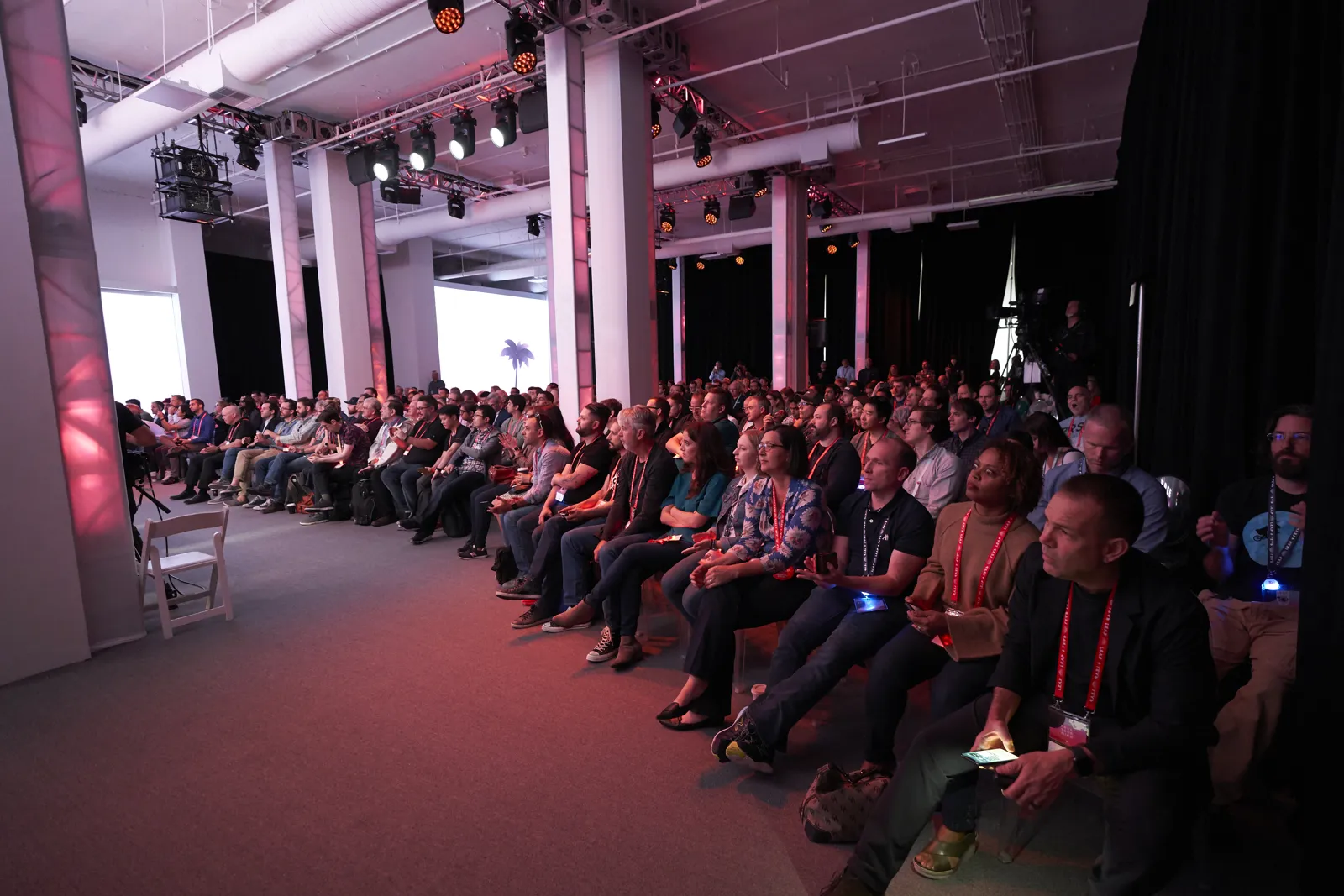
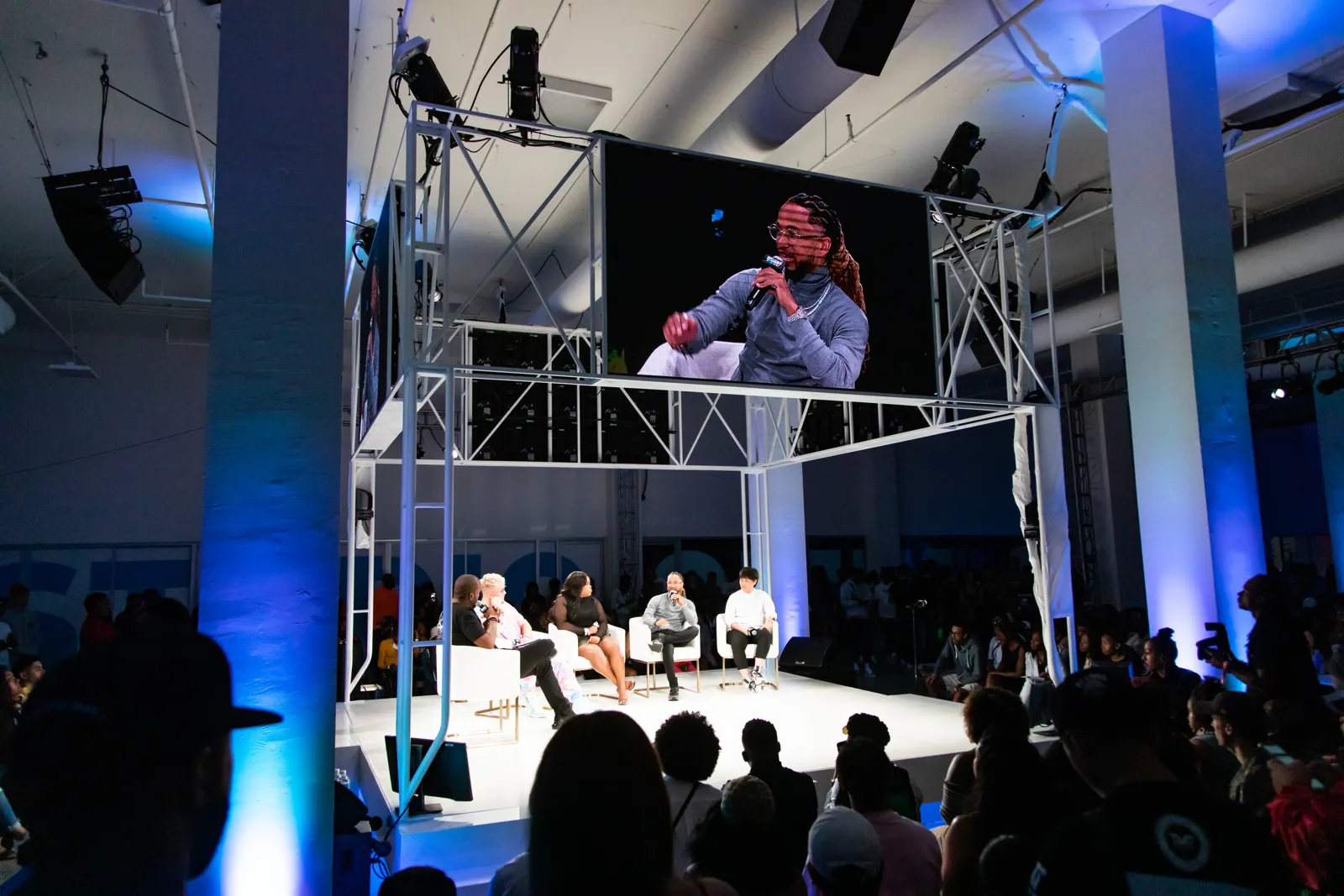
Conferences and seminars bring larger groups together for presentations and sessions, often over one or more days.
- A main room set theater or classroom style for general sessions
- Breakout rooms for concurrent sessions
- Registration space, exhibit or sponsor areas and networking space
- Full AV with stage, microphones, screens and sometimes streaming
They are the most demanding corporate events for a venue, because several rooms run at once on a tight schedule. Venues need a clear plan for room turns, food service timed to the agenda and staff to manage the flow.
Product Launches and Brand Events
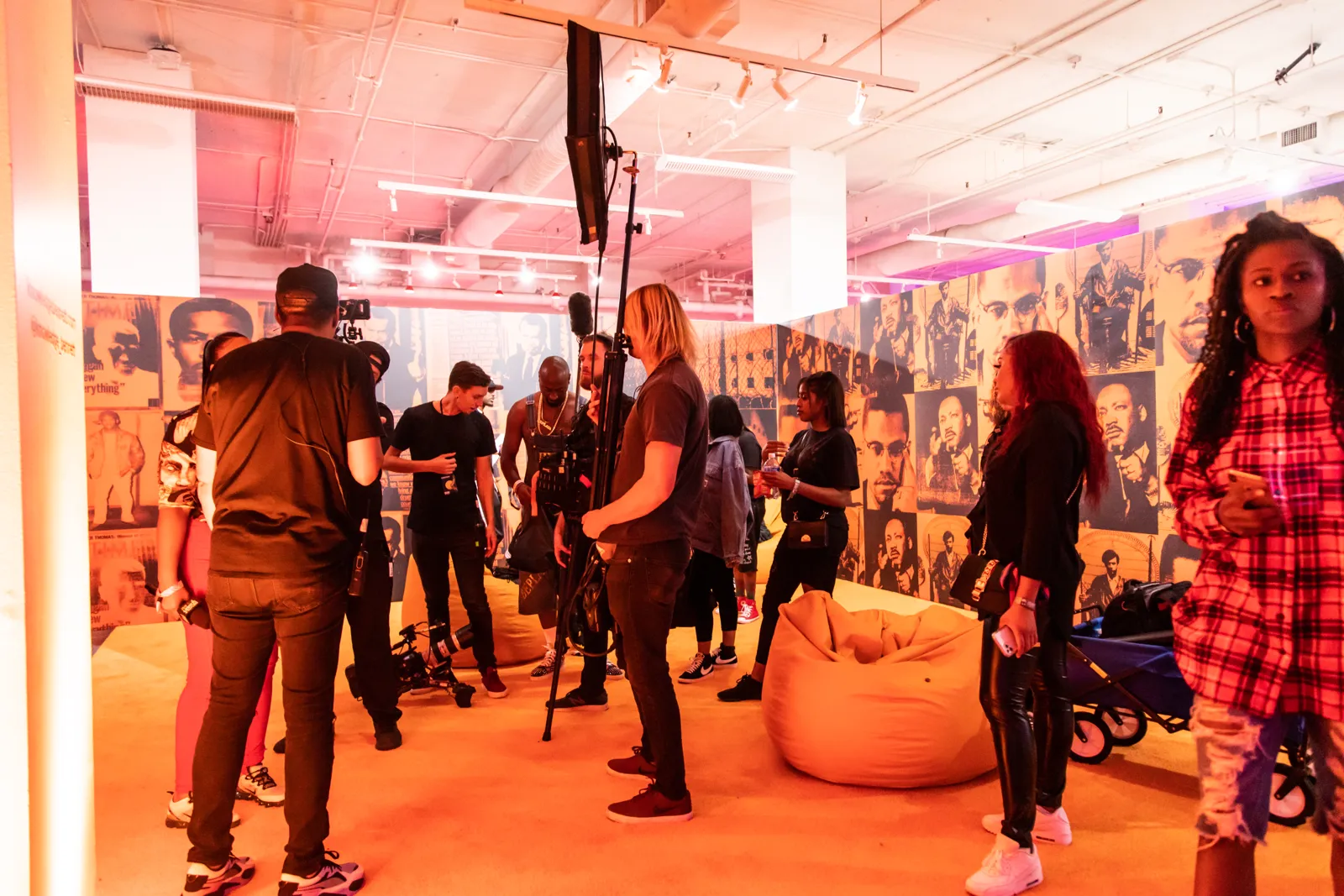
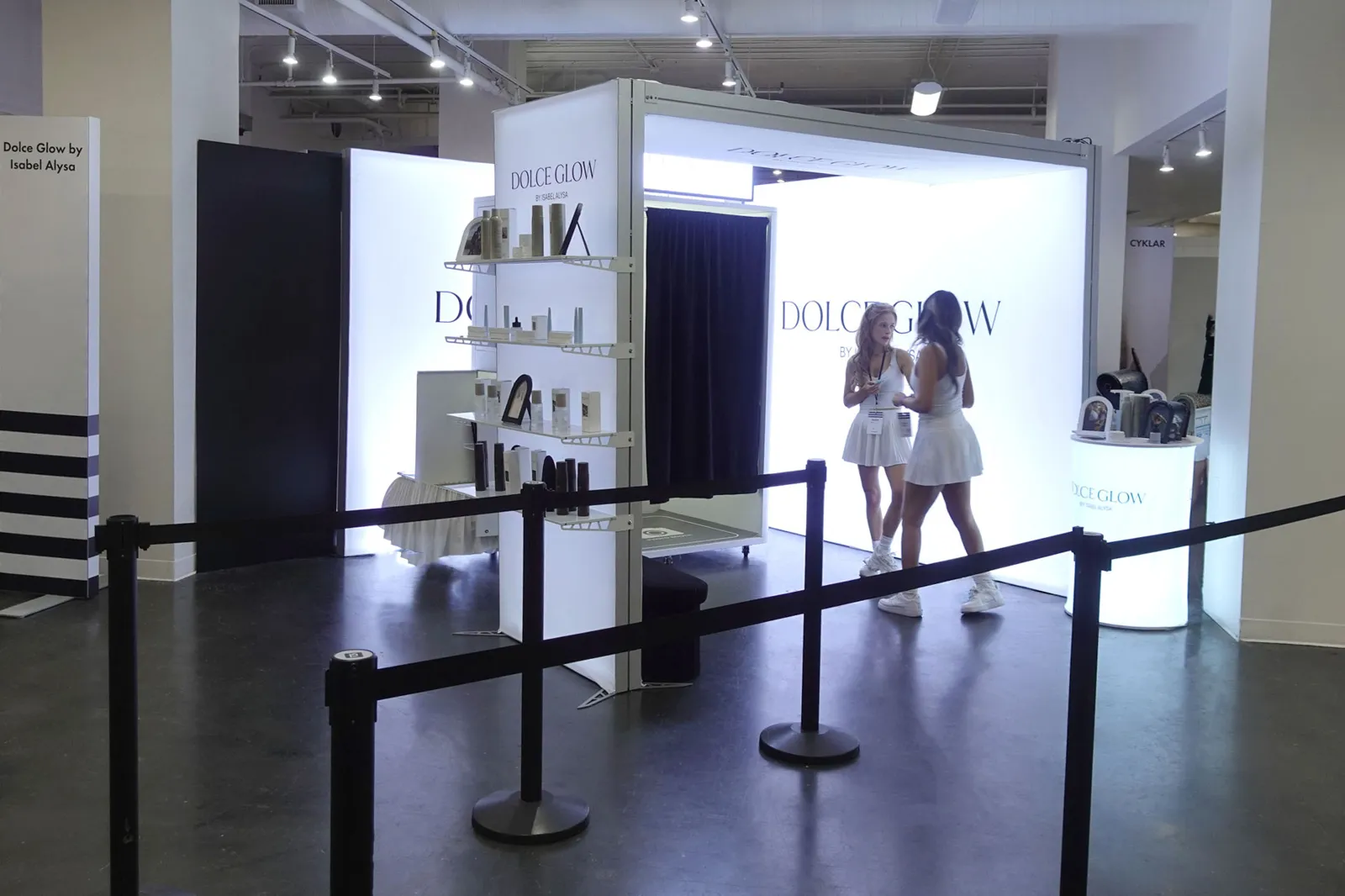
Product launches, press events and brand activations focus on impact. The client wants a memorable setting, strong production and space for media.
These events often need long setup times, custom staging, lighting and sound, and sometimes access for large deliveries. Some also want the venue's name kept off public listings until the reveal, so ask about confidentiality early. A venue with flexible open space, high ceilings, good power and easy load-in suits them well. Expect detailed production schedules and outside vendors.
Holiday Parties and Celebrations
Holiday parties, anniversaries and milestone celebrations are social events for employees, and sometimes their partners. Food, bar, music and atmosphere come first.
- Evening timing, often on Thursdays and Fridays in December
- Dinner or heavy hors d'oeuvres, a bar and a dance floor or lounge
- Entertainment such as a DJ, band or activities
- A plan for alcohol service and safe rides home
These events book months ahead for popular dates and often return every year. Some companies also choose January or early February dates, when the calendar is quieter and pricing is easier.
Team Building and Retreats
Team-building events and offsite retreats mix work and social time. A day might include a strategy session in the morning, an activity in the afternoon and a dinner in the evening. Venues that can offer both meeting space and an activity, or have outdoor space and flexible rooms, are well placed for them.
Client Appreciation, Networking and Awards
Client appreciation events, networking receptions and awards nights are hosted by companies for guests outside the company. They aim to impress and build relationships. Receptions need standing room, passed food and bars placed to keep people moving. Awards nights add a stage, a program and seated dinner, and they run to a tight timeline.
Hybrid events, where part of the audience joins online, can fall into any of these categories and add requirements for cameras, streaming and an online host.
Use the Types to Build Packages
Group your corporate offers by type. A meeting package, a conference day package and a holiday party package each answer the questions the matching client asks. Price each one with what it typically includes, and list the rooms and layouts that suit it. Corporate planners compare quickly, and a package that matches their event type makes your venue easy to choose.
Frequently Asked Questions
What counts as a corporate event?
A corporate event is any event organized or paid for by a business, for employees, clients, partners or the public. Examples include meetings, trainings, conferences, product launches, holiday parties, team-building events and client receptions. The common thread is a business purpose and a corporate buyer.
What is the most common type of corporate event?
Meetings of various sizes are the most frequent, since companies hold them year round. For many venues, though, holiday parties and conferences bring the largest individual bookings. The mix depends on the venue's size, location and spaces.
What do corporate clients look for in a venue?
They usually look for the right capacity and layout, reliable AV and Wi-Fi, a convenient location with parking or transit, clear pricing and responsive service. For working events, quiet and equipment matter most, and for social events, atmosphere, food and drink matter most. Most corporate planners value a single point of contact.
How far in advance are corporate events booked?
Small meetings often book a few weeks to a few months ahead, while conferences and large launches can book a year or more out. Holiday parties typically book three to six months ahead, earlier for popular December dates. Repeat events are often booked for the next year as soon as one ends.