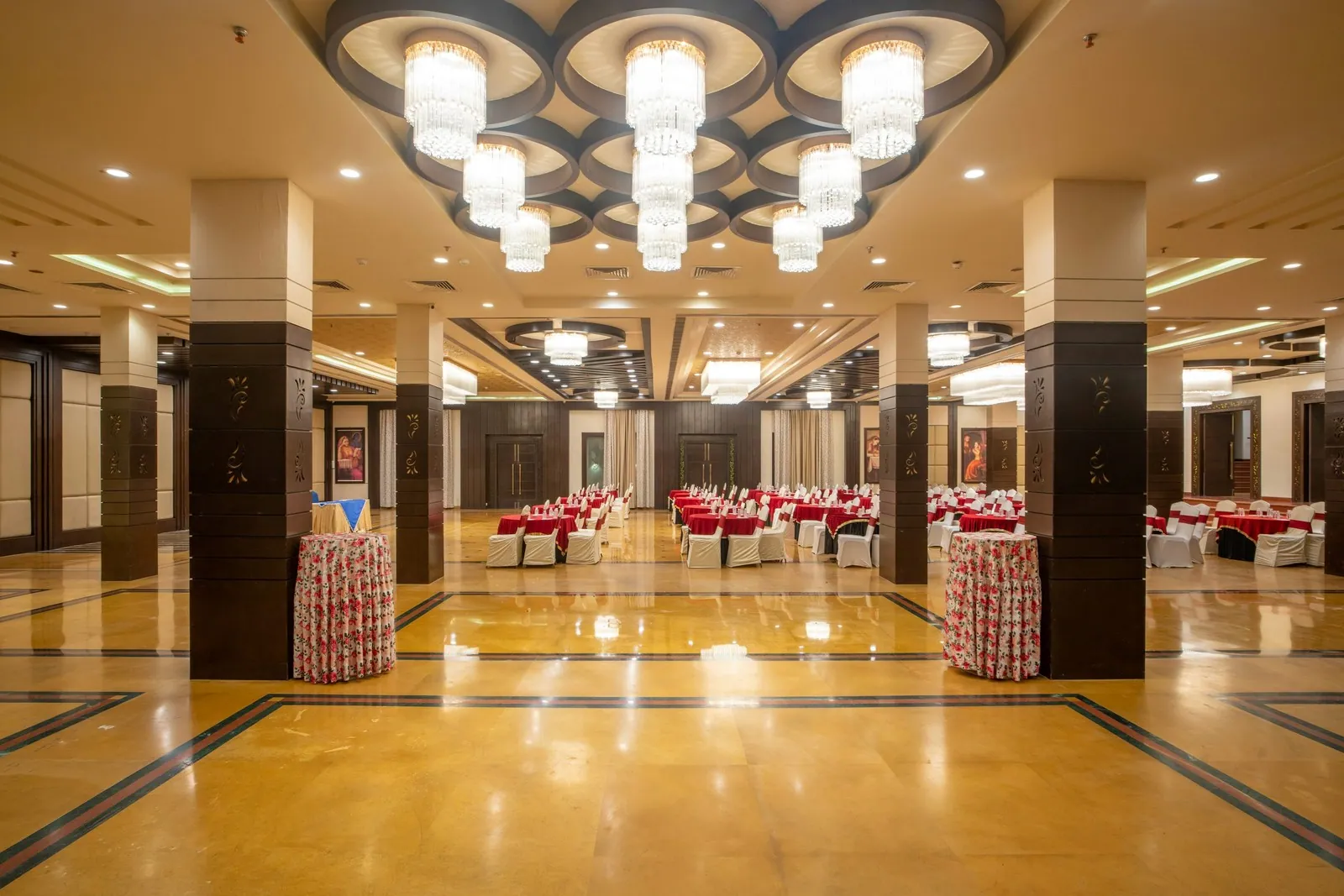
An inquiry form tells you the date, the guest count and maybe a budget. A ten-minute call tells you why the event matters, who decides, what worries them and whether your venue is a real fit. Many inquiries close faster after one good call than after a week of emails.
Plenty of venue teams avoid the phone because they are not sure what to say. A simple script fixes that. It is a structure to follow, with lines to adapt in your own words.
What Should a Venue Sales Script Include?
A venue sales script for inquiry follow-up should include a short opener that explains why you are calling, a set of qualifying questions about the event, the date and the decision, a clear way to answer price and availability questions, and a specific next step such as a tour, a hold or a proposal. The goal of the call is to understand the event and agree on what happens next. Most calls take ten to fifteen minutes.
Before You Dial
Read the inquiry again and check the calendar for the requested date and the nearest alternatives. Know your starting prices or minimums for that date and space. Have two tour times ready to offer.
Call within a day of the inquiry if you can. If the planner does not answer, leave a short voicemail with your name and number, then send an email saying you called and offering a time to talk.
The Opener
Keep it short and give the planner a reason to stay on the line.
"Hi, it's Sam from the events team. I'm calling about your inquiry for a holiday party on December 12. I have a few quick questions so I can send you the right options. Do you have about ten minutes now, or is there a better time today?"
Asking for permission respects their time and gets a better conversation. If now is not good, book a specific time and call back on the dot.
Qualifying Questions
Ask open questions and let the planner talk. These cover what you need to know.
- "Tell me about the event. What's the occasion, and what would make it a success for you?"
- "How many guests are you expecting, and how firm is that number?"
- "How flexible is the date? Would a nearby Thursday or Sunday work?"
- "Who else is involved in choosing the venue, and when do you plan to decide?"
- "Do you have a budget range in mind for the venue, food and bar?"
Take notes as they answer. The first question often reveals what matters most, such as a speaker program, a family member's needs or a past event that went badly. Use their words when you follow up.
Answering the Price Question
Planners will ask what it costs, often early. Give a real answer. A vague reply makes them suspect the number is high.
"For a Saturday evening in the main hall, events typically start at a $9,000 food and beverage minimum, which goes entirely toward your menu and bar. For 120 guests with a three-course dinner and a four-hour bar, most clients land between $11,000 and $13,000 before service charge and tax. Once I know a bit more about the menu you have in mind, I can send a detailed proposal."
Use the numbers that apply to your venue. Starting points and typical ranges help the planner judge fit right away, and they make the proposal feel like a confirmation.
Answering the Availability Question
If the date is open, say so and offer a hold.
"December 12 is open right now. I can hold it for you for seven days while you review the proposal and see the space. If another client asks about that date, I'll let you know before anything changes."
If the date is taken, offer the closest alternatives in the same breath.
"December 12 is already booked, but I have Thursday the 10th and Sunday the 14th. Thursdays in December are popular with companies that want a quieter night, and the minimum is lower."
The Close and Next Step
End every call with a specific next step and a date. Avoid closing with "I'll send you some information."
"Let me send the proposal and a sample menu this afternoon. Could you come see the space on Tuesday at 10 or Thursday at 4? I'll hold the date until next Friday."
Repeat the next step back, then send it in writing right after the call. Record the call notes on the inquiry so anyone on the team can pick it up.
Practice the Script This Week
Write your own version of each section with your venue's name, spaces and prices. Practice it out loud with a colleague, then use it on the next five inquiries. Adjust the lines that felt forced, and keep the questions that got the most useful answers.
Frequently Asked Questions
Should venues call inquiries or just email them?
Both work best together. An email reply within a day confirms availability and shows responsiveness, and a short call often uncovers the details that decide the booking. Many venues email first with an offer to call, then call if the planner agrees or does not reply.
How soon should I call after a venue inquiry?
Within one business day where possible, and the same day for inquiries on popular dates. Planners often contact several venues at once and may decide quickly. If you cannot reach them, leave a voicemail and follow up by email.
What questions should I ask on a venue sales call?
Ask about the occasion and what success looks like, the guest count, how flexible the date is, who else is involved in the decision and the budget range. These questions tell you whether the event fits your venue and what the proposal should include. Let the planner do most of the talking.
How do I handle a planner who asks for the price right away?
Give a real starting price or a typical range for their date and guest count, and explain what it includes. Then ask the questions you need to refine it into a proposal. A clear number early builds trust and saves both sides time.