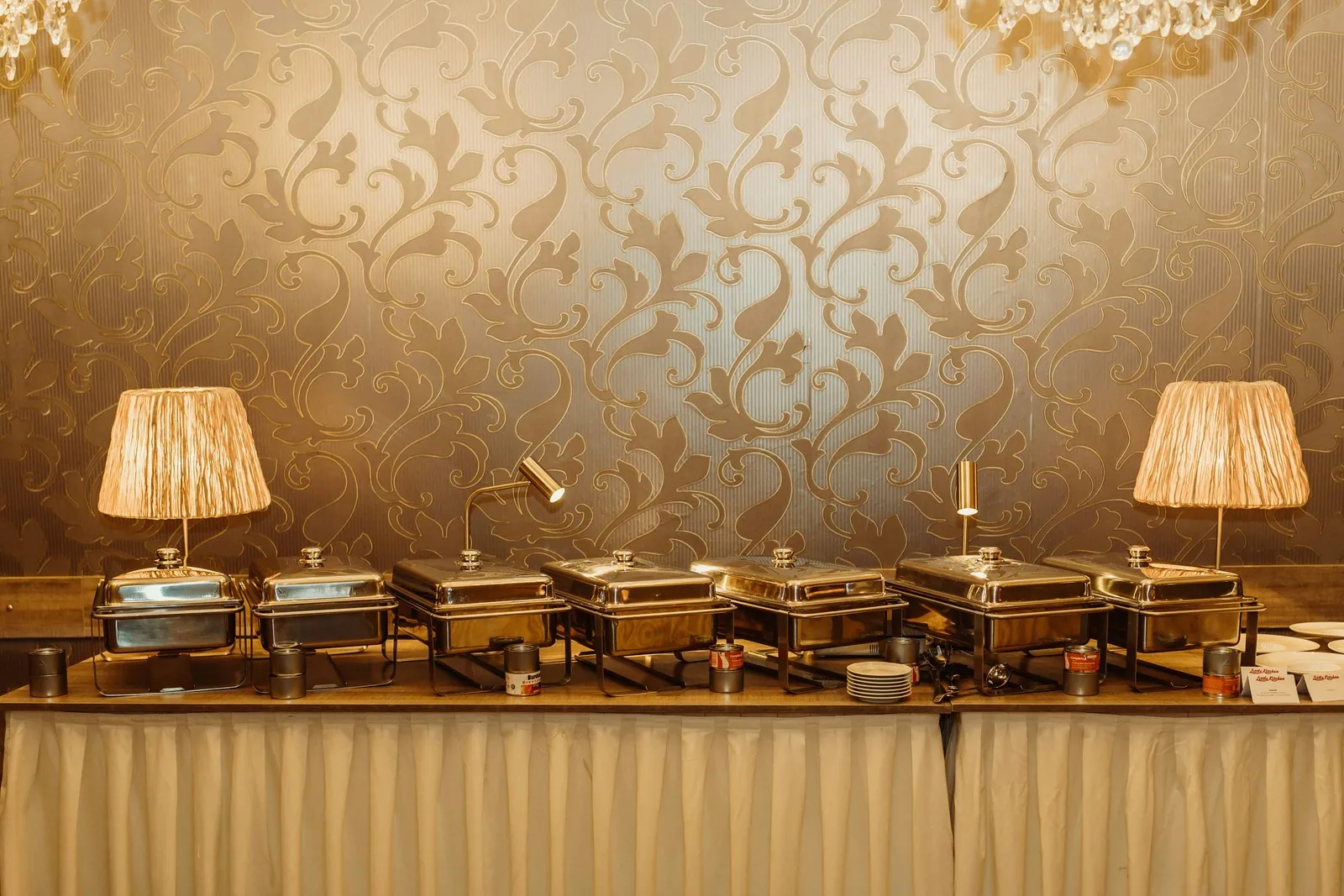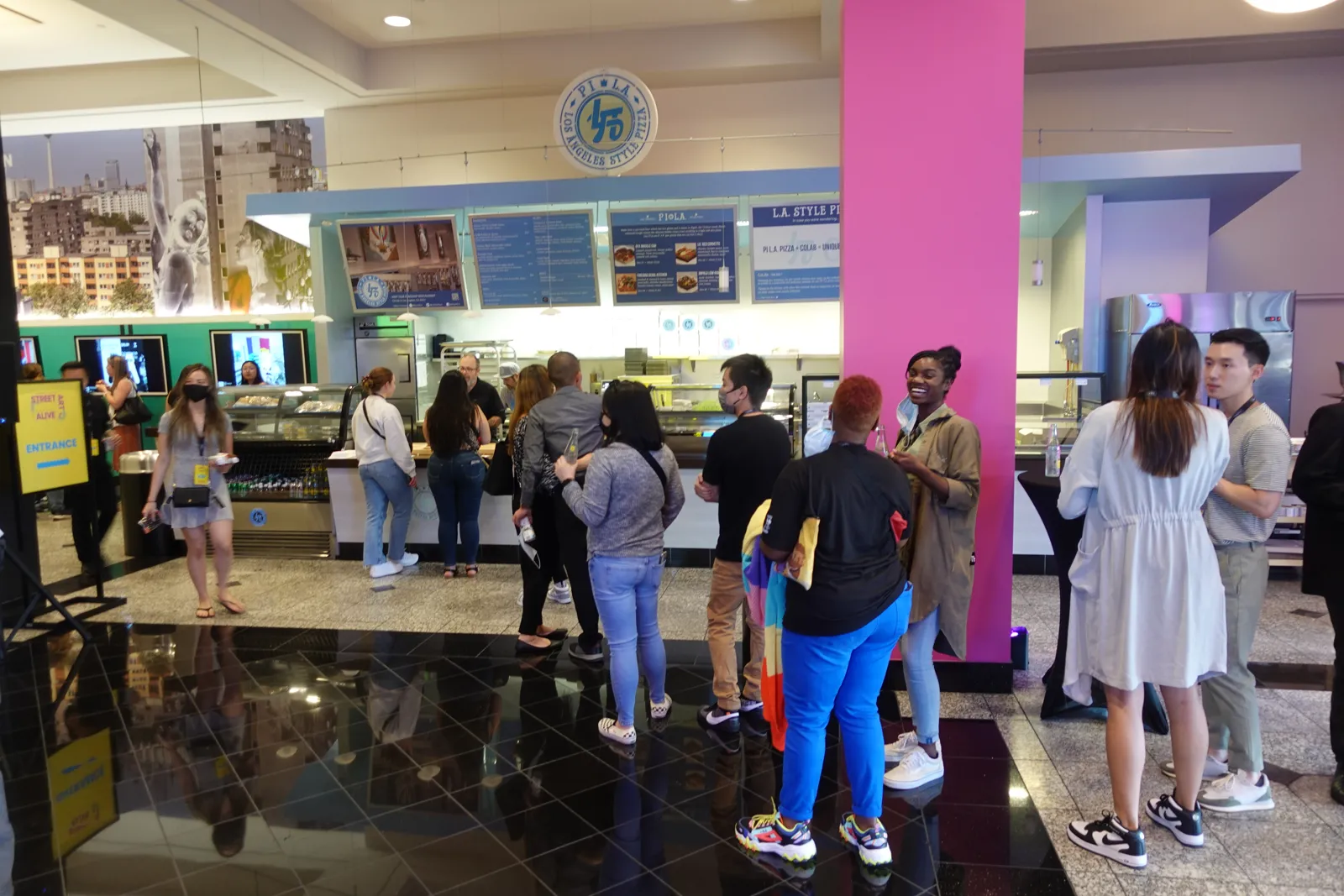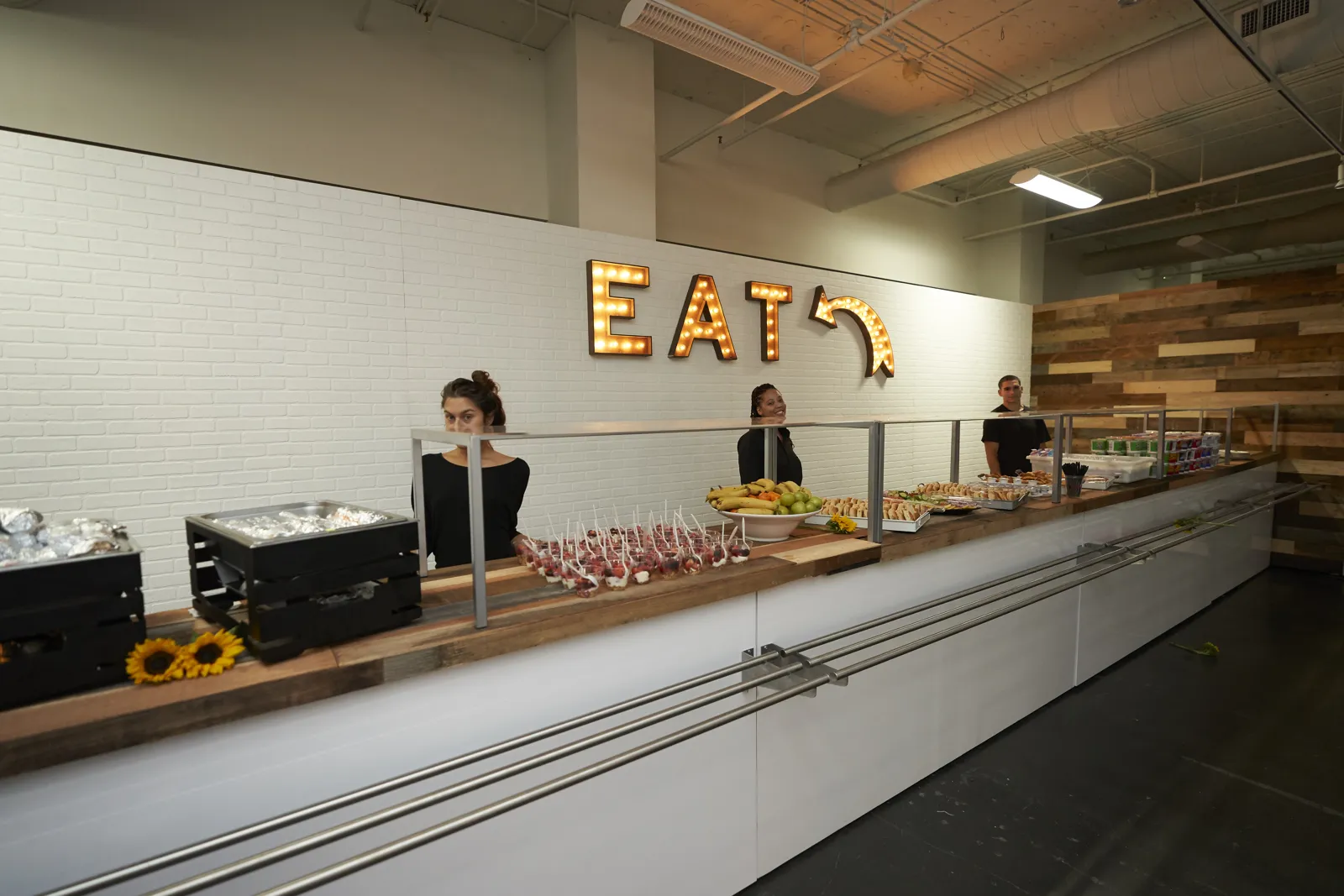
Caterers judge a venue by its back of house long before guests see the front. A caterer who arrives to find one outlet, no ice machine and a long hallway between the kitchen and the ballroom will quote higher next time, or decline the job.
The question for most venues is how much kitchen they really need. For many, a well-planned warming kitchen supports caterers well. For others, a full commercial kitchen opens the door to in-house catering. The choice shapes your build-out budget, your permits and the kind of catering business you can run later.
What Are the Catering Kitchen Requirements for a Venue?
The catering kitchen requirements for a venue depend on whether food is cooked on site or brought in. A warming kitchen supports caterers who cook elsewhere and need space, power, refrigeration, sinks and staging to hold, reheat and plate food. A commercial kitchen supports full cooking on site and usually requires a ventilation hood with fire suppression, a grease interceptor, more equipment and a more involved health permit and plan review. Local health and building codes decide the exact requirements, so check with your health department before designing either.
What a Warming Kitchen Is
A warming kitchen, sometimes called a catering kitchen or prep kitchen, is designed for food that arrives already cooked. The caterer prepares food in their own licensed kitchen and brings it to the venue to keep hot or cold, finish and plate.
A typical warming kitchen includes several core elements.
- Stainless prep tables and plating space
- Refrigeration and, ideally, an ice machine
- Handwashing sinks plus a dishwashing setup, such as a three-compartment sink or commercial dishwasher
- Ample power with dedicated circuits for warming cabinets and coffee
- Storage for racks, carts and catering equipment
Some warming kitchens include ovens for reheating. Whether that equipment needs a hood depends on the type of cooking and local code, so confirm before you buy.
What a Commercial Kitchen Adds
A commercial kitchen is built for cooking from raw ingredients on site. It adds a cooking line with ranges, ovens and possibly fryers or grills, plus the infrastructure to do that safely.
- A ventilation hood with a built-in fire suppression system over grease-producing equipment
- A grease interceptor or trap connected to the plumbing
- Walk-in refrigeration and freezer space
- Larger gas and electrical service
- Finishes and layouts that meet health code for full food preparation
Each of these adds cost, permits and inspections. The hood, fire suppression and utility upgrades are often the largest pieces, especially in an older building.
Permits and Inspections
Both kitchen types usually involve the local health department, though the scope differs. A commercial kitchen generally goes through a health department plan review before construction and needs a food facility permit to operate. Building, mechanical, plumbing and fire permits apply to the hood, gas lines and suppression system.
A warming kitchen may need less, but many health departments still regulate any space where food is handled for the public. Ask your health department what they require for your plans before you build.
Cost and Revenue Considerations
A warming kitchen costs far less to build and maintain than a commercial kitchen. It keeps the venue flexible, since you can work with many caterers and avoid running a food business.
A commercial kitchen costs more and adds ongoing maintenance, inspections and staff. In return, it lets the venue run in-house catering or partner with an exclusive caterer who cooks on site, which can add significant revenue and control over quality. The right choice depends on whether you want to be in the food business or support caterers who are.
What Caterers Ask About
Caterers ask similar questions at every venue. Have the answers written down and include them in your vendor packet, along with a photo of the kitchen and a simple plan showing outlets and sinks.
- How much power is available, and on which circuits?
- Is there an ice machine, and how much refrigeration space is available?
- Where is the load-in, and how far is it to the kitchen and the service area?
- Is there a dishwasher, and where does trash and recycling go?
- When does kitchen access start, and when must the caterer be out?
How to Decide
Start with your catering model. If you plan to work with many outside or preferred caterers, a well-designed warming kitchen is usually enough. If you plan to offer in-house catering or sign an exclusive caterer who cooks on site, a commercial kitchen may be worth the investment.
Talk to the caterers you work with most. They can tell you what slows them down in your current setup and what equipment would make the biggest difference. Then get quotes for both options from a kitchen designer and contractor.
If a full commercial kitchen is out of reach now, plan the warming kitchen so it can grow. Leaving room for a future hood, sizing the electrical service generously and placing drains where a later cooking line would need them can make an upgrade far cheaper down the road.
Frequently Asked Questions
What is the difference between a warming kitchen and a commercial kitchen?
A warming kitchen is for holding, reheating and plating food cooked elsewhere, while a commercial kitchen is for cooking food from scratch on site. Commercial kitchens usually need ventilation hoods with fire suppression, grease interceptors and more equipment. Local codes decide the exact requirements.
Does an event venue need a commercial kitchen?
Not necessarily. Many venues support outside caterers with a warming kitchen and never cook on site. A commercial kitchen makes sense if the venue plans to offer in-house catering or host a caterer who cooks on site.
Do caterers need a kitchen at the venue?
Most caterers need at least a place to hold, finish and plate food, with power, water, refrigeration and handwashing. They usually cook in their own licensed kitchen and bring food to the venue. Check what each caterer needs before the event.
Do you need a permit for a warming kitchen?
It depends on your health department. Many regulate any area where food is handled for the public, even if it is not cooked there. Ask your local health department before building or using a warming kitchen.