
Food and drink is often the largest line item at an event, frequently larger than the room itself. At most independent venues, all of that money flows straight to an outside caterer and a bar service, and the venue sees none of it beyond the space rental. The food spend happens inside your walls, on your dates, with your clients, and you are not part of it.
You do not need a commercial kitchen to change that. Building one is expensive, slow, and comes with licensing and staffing headaches most venue operators do not want. The faster path is to position yourself in the flow of the food-and-beverage spend that is already happening, and take a fair share of it through partnerships and structure rather than by cooking anything yourself.
How Can a Venue Earn Catering Revenue Without a Kitchen?
A venue can earn food-and-beverage revenue without a kitchen by collecting commissions from caterers, marking up or owning the bar, and setting F&B minimums that capture spend on your dates. Each of these works because the food money is already moving through your venue, and you are simply taking a defined position in that flow.
The three levers stack. A preferred-caterer commission earns you a percentage of every catering contract booked at your venue. A bar program lets you own or mark up the highest-margin part of the F&B spend. An F&B minimum guarantees a floor of spend per event, which protects your revenue on slower dates. Run together, they can add meaningful margin to events without a single new piece of kitchen equipment.
Treat this as building a food-and-beverage revenue stream, not as a one-time add-on. The clients are already spending the money. The work is structuring your venue so a share of it lands with you.
Build a Preferred Caterer Program That Pays Commission
The most common model is a preferred caterer arrangement. You vet a small group of caterers, list them as your recommended partners, and they pay you a commission on every event they cater at your venue. Typical commissions run 10 to 20 percent of the catering contract, which on a five-figure catering bill is real money for work you have largely already done by booking the event.
Keep the list short, three to five caterers covering different price points and styles. A short list is easier to manage, gives each caterer enough volume to value the relationship, and lets you stand behind every name on it. Vet them the way your clients would want you to: tasting, references, insurance, and a trial event before they go on the list.
The commission has to be worth it to the caterer, which it usually is, because being on a venue’s preferred list is a steady source of bookings they did not have to sell. Frame it as a referral relationship rather than a fee, and put the commission and the expectations in a simple written agreement.
If you allow outside caterers not on your list, charge a kitchen or facility fee for the privilege. This both compensates you for the use of your space and gently steers clients toward your preferred partners, where your commission is larger.
Own or Mark Up the Bar
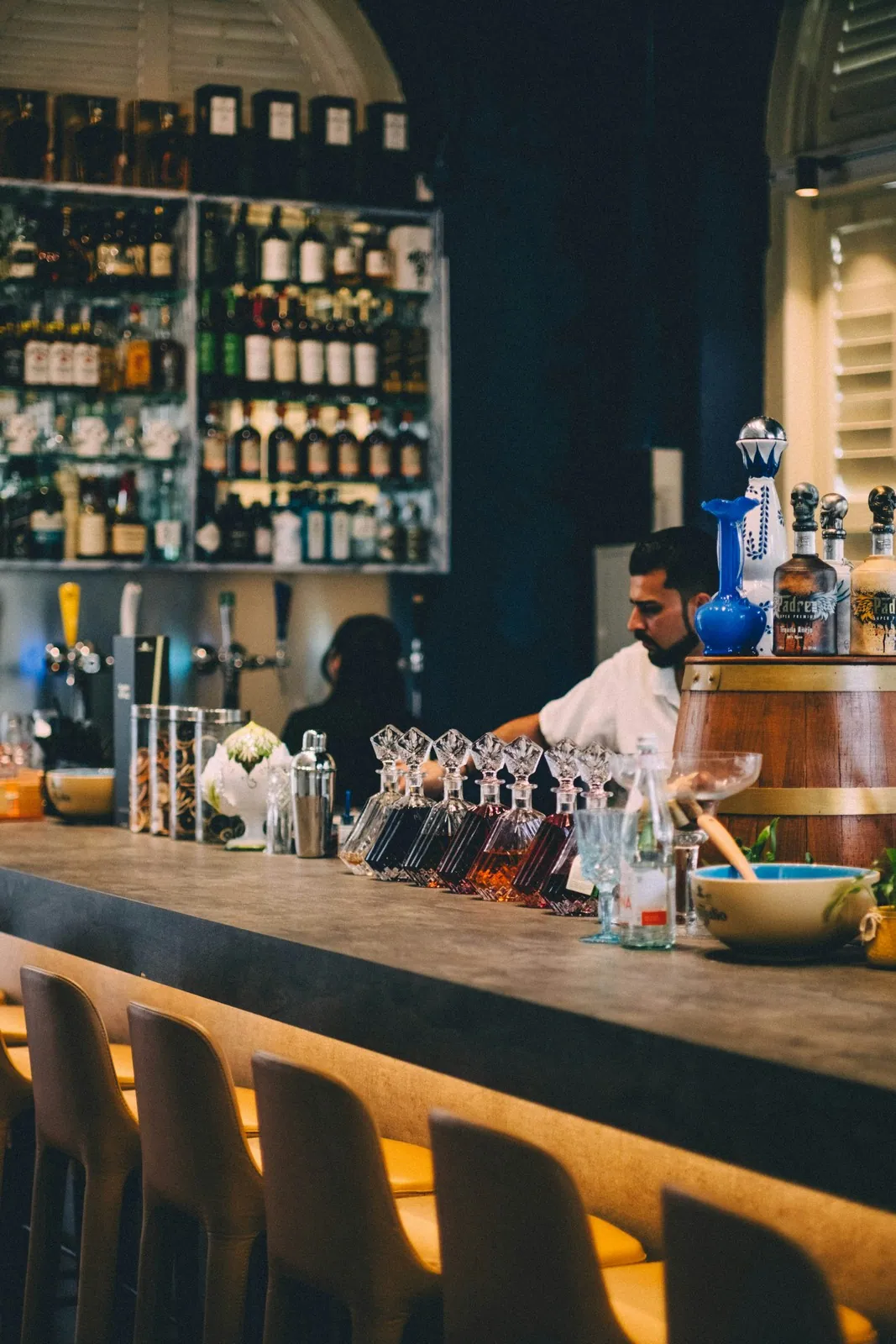
Alcohol carries the highest margin in the entire F&B category, often well above food, which makes the bar the single most valuable piece to capture.
If your local licensing allows it, running your own bar is the most profitable path. You buy the alcohol, you set the prices, and the margin is yours. Pour costs on a well-run bar typically run 18 to 25 percent, meaning the rest is gross margin before labor. Bar packages priced per person, per hour, or by consumption let you present clear options to clients while keeping the economics in your favor.
If you cannot hold a liquor license or do not want to, partner with a licensed bar service the same way you partner with caterers, and take a commission or a flat per-event facility fee. You still earn from the bar without carrying the license, the liability, or the inventory.
Whichever model you use, build clear bar packages clients can select alongside the room. Defined options convert better than open-ended conversations about drinks, and they make the bar a planned part of the booking rather than an afterthought.
Set Food-and-Beverage Minimums
An F&B minimum is a floor of food and beverage spend a client commits to in order to book the venue, often used in place of or alongside a room rental fee. Hotels and larger venues have used minimums for years, and they work for independent venues too.
The structure is straightforward. You set a minimum spend, say a defined dollar amount of combined food and bar, and the client must reach it. If their spend falls short, they pay the difference. This guarantees your venue a baseline of F&B revenue regardless of how the client’s plans evolve, and it tends to lift the overall event spend because clients design toward the number.
Minimums work best on high-demand dates, where you can afford to require a meaningful F&B commitment in exchange for the slot. On slower dates you might lower or drop the minimum to stay competitive. Tie the minimum to the date’s value rather than applying one flat number everywhere.
Be transparent about how the minimum works, what counts toward it, and what happens if the client falls short. A minimum that surprises a client at final billing damages the relationship. A minimum explained clearly at booking simply becomes part of how they plan the event.
Track the Right Numbers
Once these levers are running, watch a few figures to see whether the F&B program is actually adding margin:
- Commission revenue per event from caterers and bar partners
- Bar margin if you run your own, measured against your pour cost target
- Share of events that hit or exceed their F&B minimum
- Total F&B revenue per event compared with your pre-program baseline
If commission revenue is thin, your preferred list may be too long or your commission rate too low. If clients regularly fall short of minimums, the minimum is set above what your typical event spends and may be costing you bookings.
Capturing food-and-beverage margin is mostly about structure and relationships, not infrastructure. The spend is already happening on your dates. Building a kitchen is one way to chase it, and the partnership route gets you most of the upside for almost none of the cost.