Most guest lists now arrive with a note about allergies, and the note is often vague. "Two nut allergies and a few gluten-free" does not tell the kitchen who those guests are, where they sit or how serious each allergy is. That gap is where the risk sits.
A written food allergy policy turns vague notes into a process the kitchen, the servers and any outside caterer follow the same way every time. It protects guests first and the venue's reputation second.
How Should Venues Handle Food Allergies at Events?
Venues handle food allergies at events by collecting each affected guest's name, allergy and seat before the final count, passing that information to the kitchen and service team in writing, labeling food clearly and briefing staff on how allergy meals are prepared, delivered and handled in an emergency. The same rules apply whether the venue cooks or an outside caterer does.
This post covers allergens specifically. General food safety, such as holding temperatures and handwashing, belongs in your food safety procedures.
Know the Major Allergens
In the United States, federal labeling law recognizes nine major food allergens. They are milk, eggs, fish, crustacean shellfish, tree nuts, peanuts, wheat, soybeans and sesame, with sesame added most recently.
Guests can be allergic to other foods too, such as mustard, celery or certain fruits, so the policy should cover any declared allergy. Some states and cities also require allergen awareness training for food service staff, so check with your local health department about what applies to you and your caterers.
Collect Allergy Data With the Final Count
The client collects allergy information from guests, and the venue tells them exactly what to collect and when. Ask for it with the final guest count, using a simple format.
- Guest name and table or seat number
- The specific allergy or allergies
- Whether it is an allergy or a dietary preference
- Severity, such as whether trace contact is a concern
Separating allergies from preferences matters. A guest who avoids gluten by choice needs a different meal from a guest with celiac disease, who also needs care with cross-contact. The kitchen can only prioritize correctly if the list tells them which is which.
Set a cutoff that matches your final guarantee date, and say in the policy that requests received after it will be handled on a best-effort basis.
Communicate It to the Kitchen and the Floor
Put the allergy list on the banquet event order or a dedicated allergy sheet attached to it. Include each guest's name, seat, allergy and the replacement dish. Mark allergy guests on the seating chart or place cards with a discreet symbol that servers recognize.
The kitchen should prepare allergy meals first or in a separate area, with clean utensils and surfaces, then cover and label each plate with the guest's name and seat. Store them apart from the main service until they go out.
Labeling Buffets and Stations
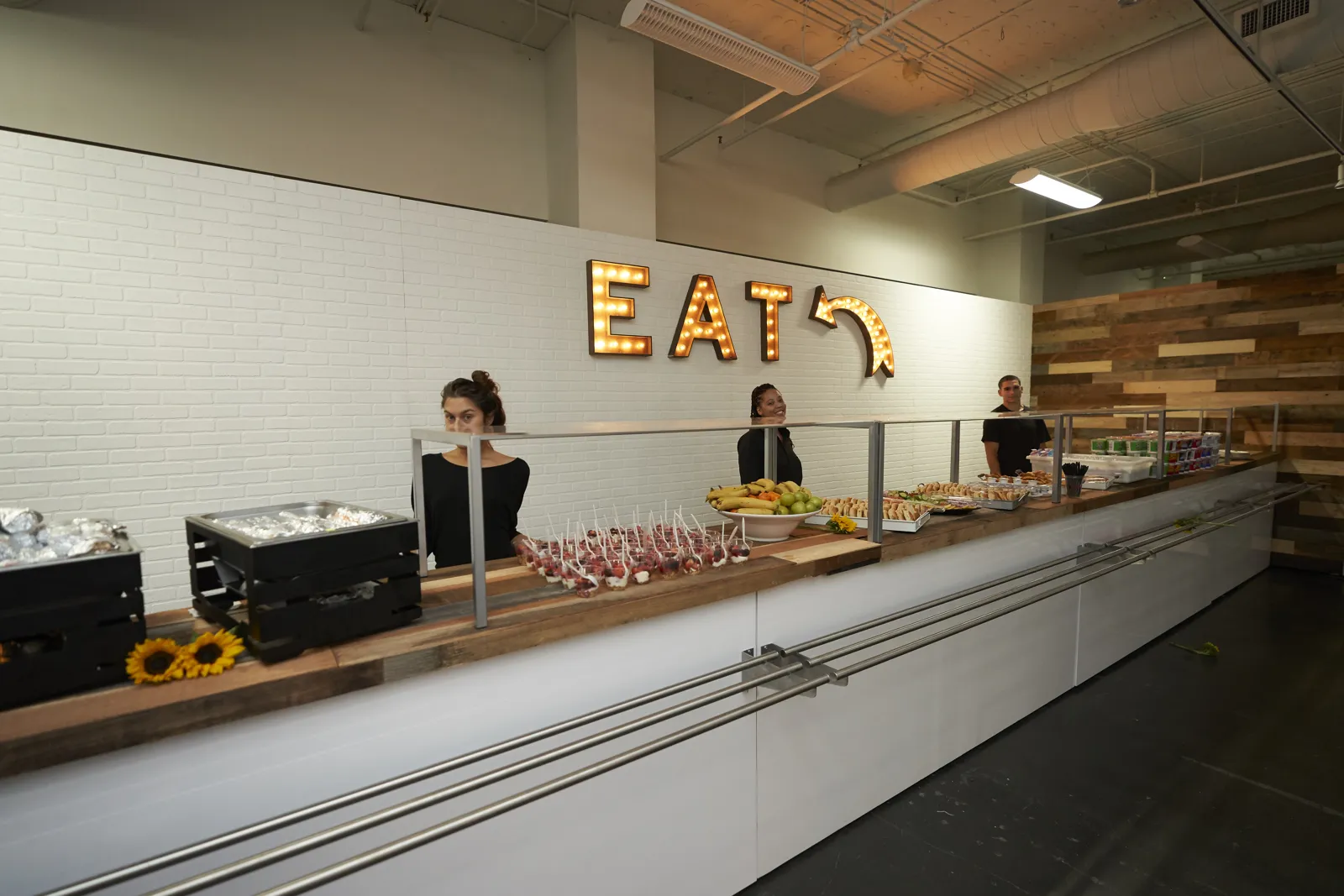
Buffets and stations carry more risk than plated service, because guests serve themselves and utensils travel between dishes. Clear labels and a few rules reduce that risk.
- A label at every dish naming it and listing major allergens
- A separate serving utensil for each dish, replaced if it lands in another
- Allergen-heavy dishes, such as nut garnishes, placed at the end of the line
- A staff member at each station who can answer ingredient questions
Offer guests with serious allergies a plated meal from the kitchen instead of the buffet. Many will prefer it, and it removes cross-contact at the line.
Brief Every Service Shift
Run a five-minute allergy briefing before every meal service. Cover how many allergy guests are attending, where they sit, how their plates are marked and who delivers them.
Staff should never guess about ingredients. If a guest asks whether something contains an allergen and the server does not know, the answer is to check with the kitchen or offer a dish that is confirmed safe.
Make sure everyone knows the emergency steps. If a guest shows signs of a serious allergic reaction, staff should call emergency services immediately, alert the event lead and help the guest find and use their own auto-injector if they carry one. Note the time and what happened for your incident report.
Hold Outside Caterers to the Same Standard
When an outside caterer serves the food, the caterer is responsible for preparing it safely, and the venue is still where the event happens. Write allergen handling into your caterer agreement or vendor rules.
Require caterers to accept the allergy list in the same format, label buffet dishes, assign a lead to deliver allergy plates and brief their own staff. Ask for a short description of their allergen procedures when they apply to your preferred list, and confirm they carry insurance that covers their food service.
Publish the Policy and Use It
Write the policy on one page. Include what you collect, the deadline, how the kitchen and service team handle allergies, the rules for outside caterers and a clear statement that the venue and its caterers take care with allergens but cannot guarantee any dish is free of trace allergens. Have an attorney review that statement, then share the policy with every client at booking and with every caterer you allow.
The safest allergy plate is the one everyone in the chain knows about before the doors open.
Frequently Asked Questions
Who is responsible for food allergies at a catered event?
Responsibility is shared. The client collects and passes on guest allergy information, the caterer prepares and serves allergy meals safely and the venue sets the process and coordinates. Contracts and vendor agreements should spell out each party's role, and local rules may add requirements.
How do you collect food allergy information from guests?
Most venues ask the client to collect it on the RSVP or registration form, with each guest's name, seat, allergy and severity. The venue sets a deadline that matches the final guest count. Separating medical allergies from preferences helps the kitchen prioritize.
Should buffet food at an event be labeled for allergens?
Labeling each dish with its name and major allergens is widely recommended, and some jurisdictions set their own rules on allergen information. It helps guests choose safely and lets staff answer questions. Separate serving utensils and a staff member at each station further reduce cross-contact.
Can a venue guarantee an allergen-free meal?
Most cannot honestly guarantee it, because shared kitchens and service areas always carry some risk of cross-contact. Venues can describe the precautions they take and offer dishes prepared without specific allergens. A clear written statement, reviewed by an attorney, sets accurate expectations for guests.