When a guest gets sick after an event, the first question is usually about the food, and the second is about where it was served. Even when an outside caterer prepared every dish, the venue's kitchen, storage and staff are part of the story.
You do not need to run the caterer's kitchen to protect your guests. You need to know what good practice looks like and check that it happens in your building. This checklist covers the basics in general terms. Your local health department sets the actual rules, so confirm the details with them.
What Food Safety Practices Should a Venue Expect From Caterers?
A venue should expect caterers to keep cold food at or below 41°F and hot food at or above 135°F, limit how long food sits out, wash hands at a dedicated sink, avoid bare-hand contact with ready-to-eat food, store food safely and handle leftovers by clear rules. These figures follow the FDA Food Code, a model most states adopt with local changes. The caterer should also hold the required health permits and work from a licensed kitchen.
Before the Event
Food safety starts with the paperwork and the plan.
- Current health permit and proof of a licensed kitchen
- Certificate of insurance naming the venue as additional insured
- A certified food protection manager on the caterer's team, where required
- A plan for keeping food hot or cold during transport and service
- Allergen information for each dish on the menu
Many jurisdictions require at least one certified food protection manager for food businesses. Ask the caterer who that person is and whether they will be on site.
Ask too how long food travels from their kitchen to your venue and how it is kept hot or cold on the way. Long drives in summer or delays at load-in are when temperatures slip, so confirm the delivery time and have refrigeration space ready when the van arrives.
Temperatures and Holding Times
Temperature control is the core of food safety at events. Bacteria grow fastest between 41°F and 135°F, often called the danger zone.
- Cold food held at 41°F or below in refrigerators, on ice or in chilled displays
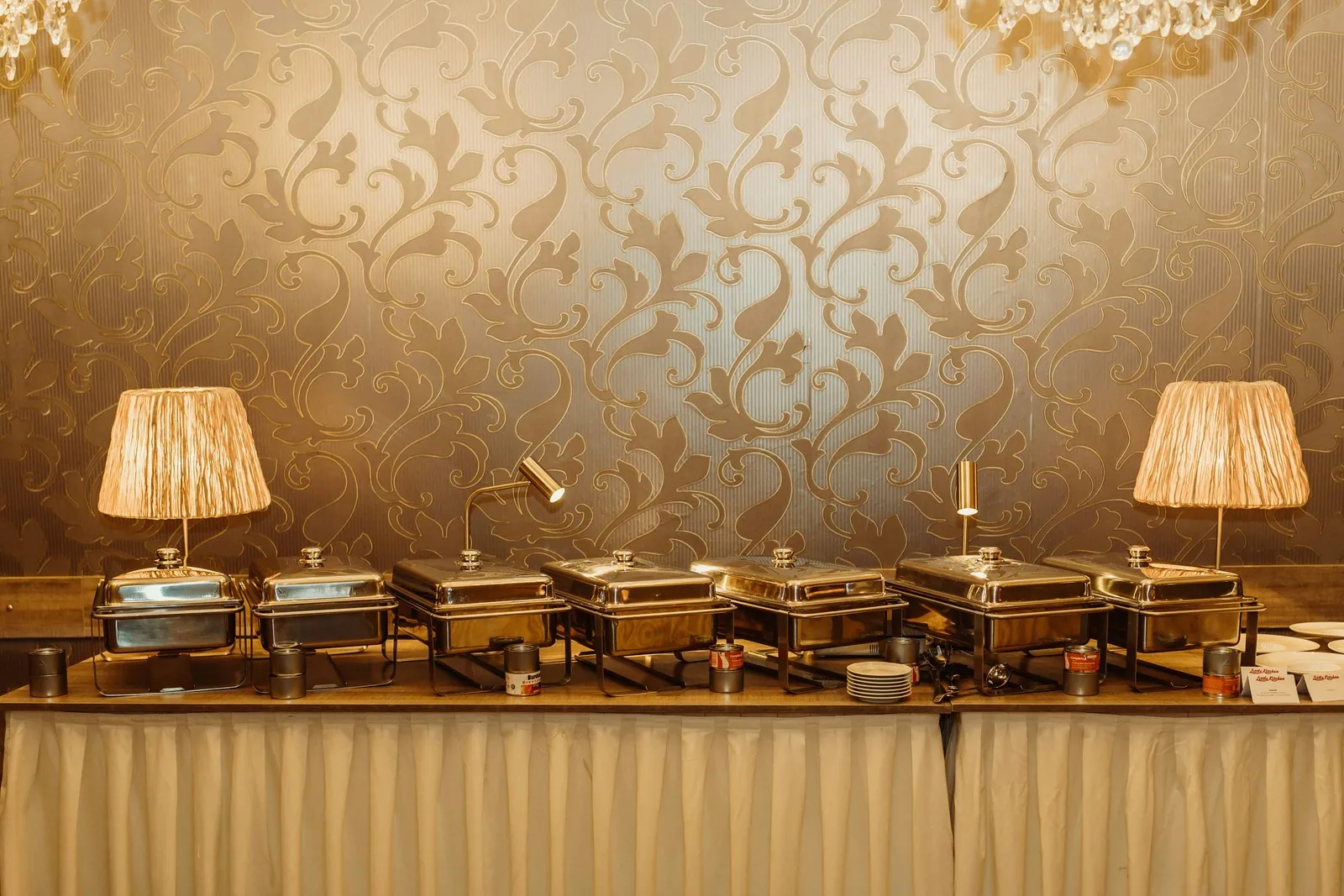
- Hot food held at 135°F or above in warming cabinets or chafing dishes
- Food reheated for hot holding brought to 165°F quickly
- Thermometers on site and used to check food regularly
Some health codes allow food to be held without temperature control for a limited time, commonly up to four hours, if it is marked and discarded at the end of that window. Ask your caterer whether they use this approach and how they track it.
Handwashing and Hygiene
Handwashing prevents more foodborne illness than almost any other step.
- A handwashing sink with warm water, soap and paper towels, used only for handwashing
- Gloves or utensils for handling ready-to-eat food
- Staff with symptoms of illness kept away from food
- Hair restraints and clean uniforms
If your warming kitchen has no dedicated handwashing sink, many health departments will require a temporary one. Check before the caterer arrives.
Storage and Kitchen Use
Your kitchen and storage space affect how safely food is held.
- Raw foods stored below ready-to-eat foods in refrigerators
- Food covered and stored off the floor
- Refrigerators checked to confirm they hold 41°F or below
- Cleaning chemicals stored away from food
- Clean surfaces and equipment before and after use
Keep a thermometer in each venue refrigerator and check it before every catered event. A refrigerator that runs warm can spoil a caterer's careful work.
Allergens and Buffets
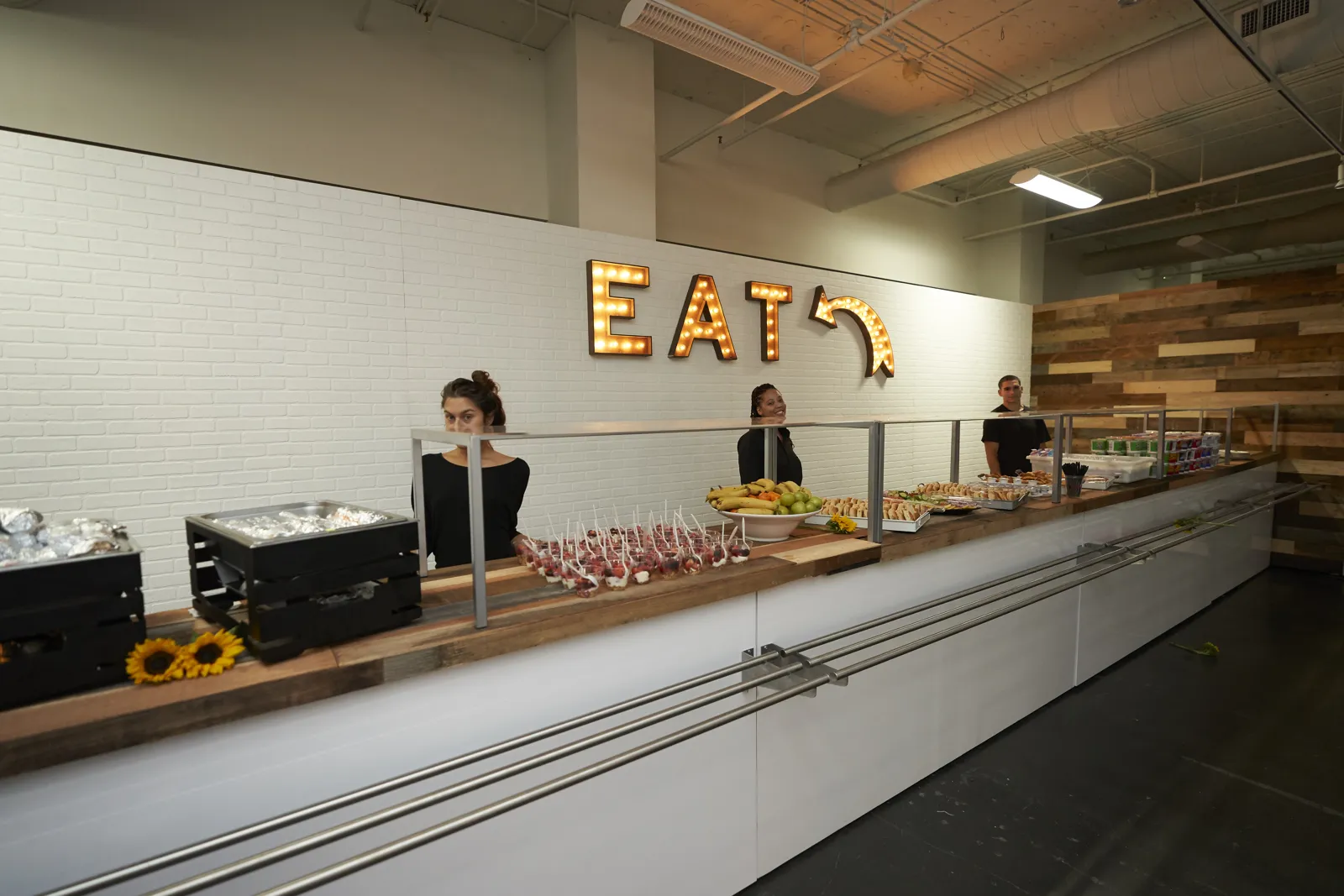
Allergens need special care at events, where guests serve themselves and staff may not know every ingredient. Ask caterers to label buffet items with common allergens and to brief service staff on which dishes contain them. Use separate serving utensils for each dish to avoid cross-contact.
For plated dinners, make sure dietary and allergy requests from the guest list reach the kitchen with seat or table numbers. Servers should know which plates are special before they leave the kitchen.
Leftovers
Leftovers are a frequent source of confusion. Many caterers do not allow clients to take leftover food home because they cannot control how it is stored afterward.
If leftovers are allowed, they should come only from food kept at safe temperatures, be packed promptly and be labeled with the date. Food that sat on a buffet for hours is usually not safe to keep. Some caterers donate surplus food through local programs, and federal law in the United States offers liability protection for good-faith food donations. Check local rules before setting up a donation process.
Build Your Caterer Checklist
Turn this list into a one-page checklist for every catered event. Send it to caterers with your vendor packet, and have your event lead confirm the key items on the day, such as working refrigerators, a stocked handwashing sink and thermometers in use. Review it with your health department if you are unsure about any requirement, and update it whenever the local code changes or a caterer points out a gap.
Frequently Asked Questions
What temperature should catered food be kept at?
Under the FDA Food Code, which most states adopt in some form, cold food should be held at 41°F or below and hot food at 135°F or above. Local rules may differ. Caterers should check temperatures regularly with a thermometer.
How long can catered food sit out?
Some health codes allow food to be held without temperature control for a limited time, commonly up to four hours, after which it must be discarded. The rules vary by jurisdiction. When in doubt, keep food hot or cold throughout service.
Who is responsible for food safety at a catered event?
The caterer is primarily responsible for the food it prepares and serves. The venue is responsible for its own facilities, such as refrigerators, sinks and storage. Contracts and local rules should make each party's duties clear.
Can guests take leftovers home from a catered event?
It depends on the caterer's policy and local rules. Many caterers do not allow it because they cannot control how food is stored afterward. If allowed, only food kept at safe temperatures should be packed promptly and labeled.