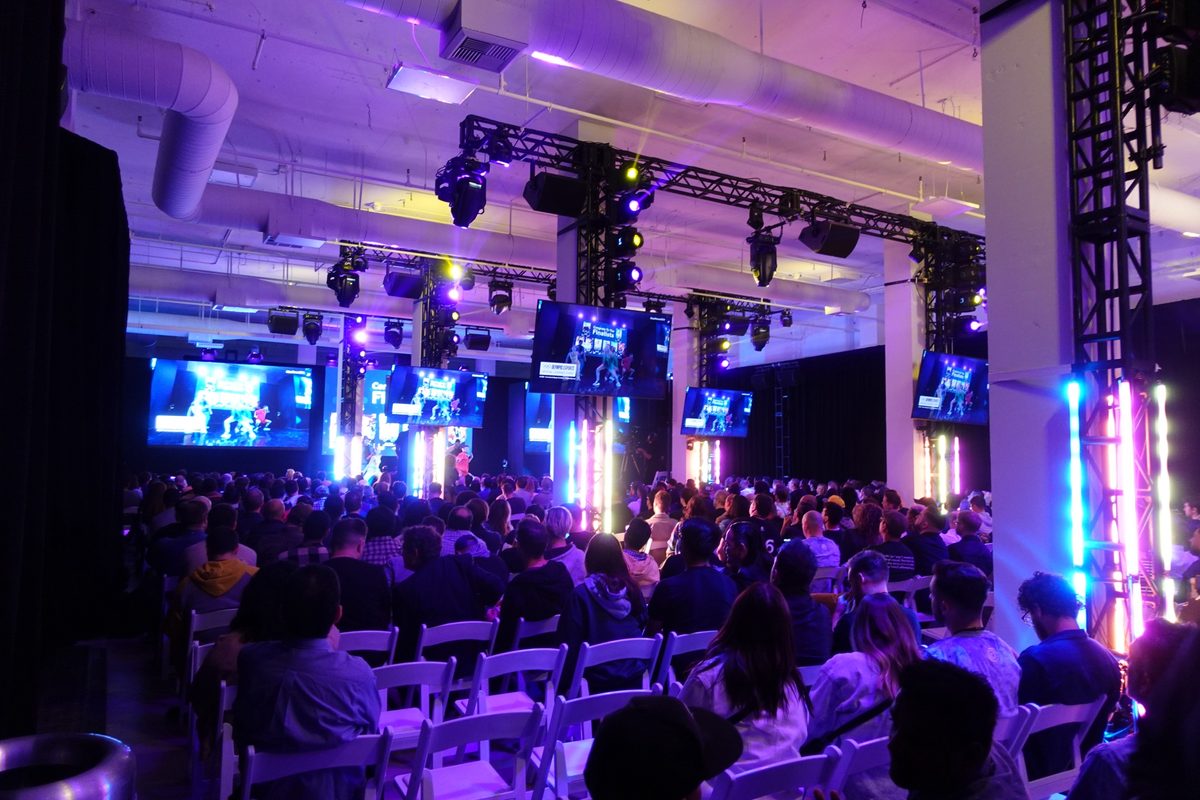

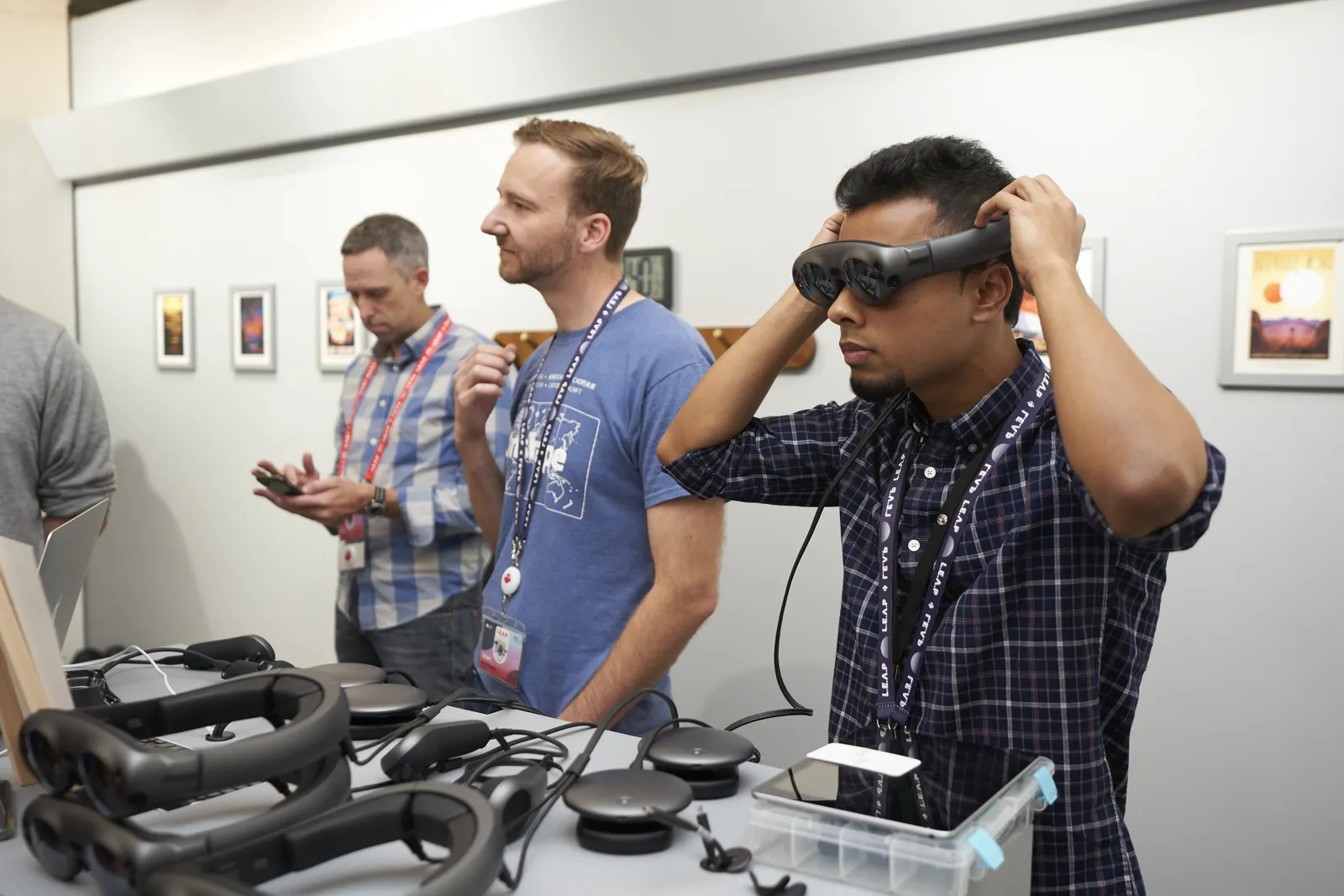
A hackathon looks like a conference on the booking form and behaves like nothing else once it starts. A few hundred people arrive with laptops, phones and sometimes extra monitors, stay for 24 to 48 hours, eat at 3 am and then present their work on a stage while the venue's HVAC tries to switch itself off for the night.
Venues that host hackathons well treat them as a separate product with their own checklist. Here is what that checklist needs to cover.
What Does a Hackathon Venue Need?
A hackathon venue needs high-capacity Wi-Fi with a wired backup, power at every seat, food and coffee available around the clock, quiet space for rest, clear overnight rules approved for the building, after-hours security and a stage with AV for final demos. It also needs building systems such as heating, cooling and lighting to run through the night.
Before quoting, ask the organizer for the expected headcount, how many devices each person brings, whether any participants are minors and whether anyone plans to sleep on site. Those four answers shape every other line.
Wi-Fi and Network
Wi-Fi is the first thing participants judge and the first thing that fails. A network that handles a 300 person conference may struggle when every attendee is pushing code, pulling large files and running video calls with remote teammates at once.
- A dedicated network name for the event, separate from staff and guests
- Enough access points for the full room at peak density
- Wired connections for the stage, judges and the organizer's desk
- No captive portal that times out every few hours
- An IT contact on site or on call for the whole event
Ask your network provider what your connection and access points can handle, and share that in writing with the organizer. If the event needs more, the organizer can bring in a temporary network vendor, and the contract should say who pays for it.
Power at Every Seat
Plan for at least one outlet per participant and more where people bring monitors or hardware. Power strips on every table are standard, but strips plug into circuits, and a room full of chargers can trip breakers that have never tripped before.
Have an electrician or your facilities lead confirm which circuits feed the room and how much load each can carry. Route cords to avoid trip hazards, tape them down across walkways and keep spare strips and extension cords on hand for the second night, when someone always needs one more outlet.
Food and Coffee Around the Clock
Participants will be awake at hours your kitchen usually is not. Agree with the organizer and caterer on a food schedule that covers the full run, with set meals plus snacks between them.
Most hackathons include dinner, a late-night snack, breakfast and lunch on each day, with coffee, tea and water available at all times. Collect dietary needs during registration and label every item. Decide in advance where food is served so crumbs and spills stay away from cables and laptops.
Overnight Rules and Quiet Rooms
Many buildings are not approved for people to sleep in them. Occupancy rules can treat sleeping differently from an assembly use, so check with your local fire marshal or building department before you agree to overnight sleeping, and write the answer into the contract.
If sleeping is allowed, set aside a separate quiet room with dimmed lights, away from the main hall, and ask participants to bring their own bedding. If it is not allowed, say so plainly and offer a quiet room for rest without sleeping gear. Either way, the policy belongs in the participant guidelines the organizer sends out.
Security and Access After Hours
Overnight events need staff awake and on duty the whole time. Agree who covers security, who holds keys and how people enter and leave after the main doors lock.
- Wristbands or badges checked at a single entry point
- Overnight security or venue staff on every shift
- A clear rule for when guests can come and go
- A locked room for valuables and equipment
- A written plan for any participants under 18
Laptops and hardware are easy to walk away with during a long event, so a staffed entrance matters as much as the locked doors.
Restrooms, Cleaning and the Final Demo
A full day of use strains restrooms more than any evening event. Schedule cleaning and restocking at set intervals through the night, and empty trash often, especially near food.
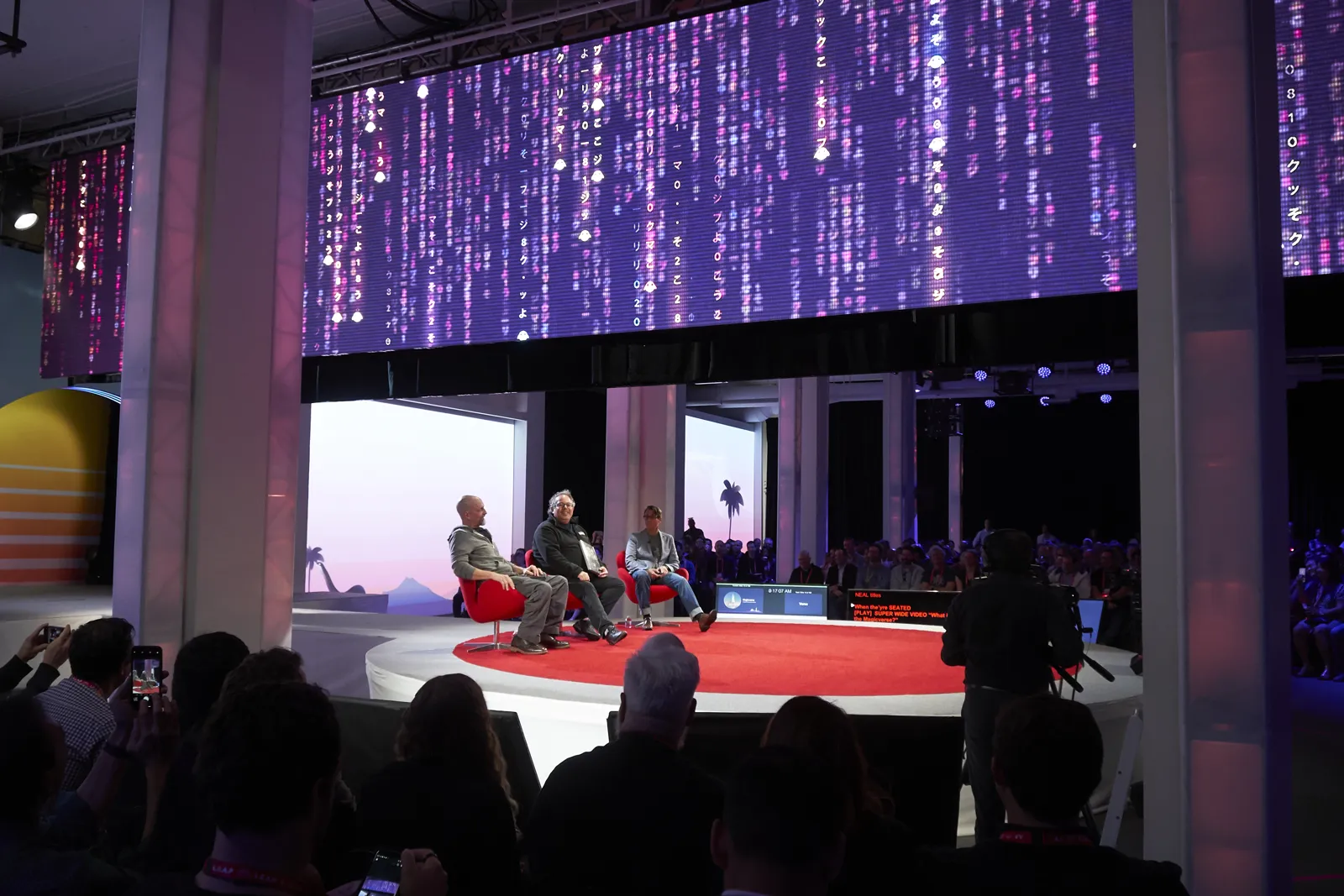
The event ends with presentations, so plan the demo setup early. Participants usually need a projector or screen, a reliable video switch for quick laptop changes, microphones and seating for judges. A short tech rehearsal before demos start saves the final hour.
Walk the Venue as a Hackathon This Week
Before your next tech booking, walk the room at night with your facilities lead. Check when the HVAC and lights change schedule, count the outlets, test the Wi-Fi from the farthest corner and note where a tired person might trip on a cord.
Turn what you find into a one-page hackathon spec sheet you can send with every quote.
Frequently Asked Questions
How much space does a hackathon need per person?
Plan seating for every participant at a table with room for a laptop and a little spread, which usually means fewer people per table than a banquet layout. Add space for food service, a quiet room, a stage area and walkways for cables. The organizer's headcount and table layout will set the exact number.
Can people sleep overnight at a hackathon venue?
Only if your building and local rules allow it. Many venues are not approved for sleeping, so check with the fire marshal or building department before agreeing to it. If sleeping is not allowed, offer a quiet room for rest and say so clearly in the participant guidelines.
What Wi-Fi does a hackathon need?
A hackathon needs a dedicated, high-capacity wireless network that can handle every participant online at once, plus wired connections for the stage and organizers. Ask your network provider what your setup can support at peak density. If it falls short, the organizer may need a temporary network vendor.
How long does a hackathon usually last?
Most hackathons run between 24 and 48 hours, often over a weekend. Some shorter formats run a single long day without an overnight portion. The length affects food service, staffing, security shifts and whether overnight rules apply.