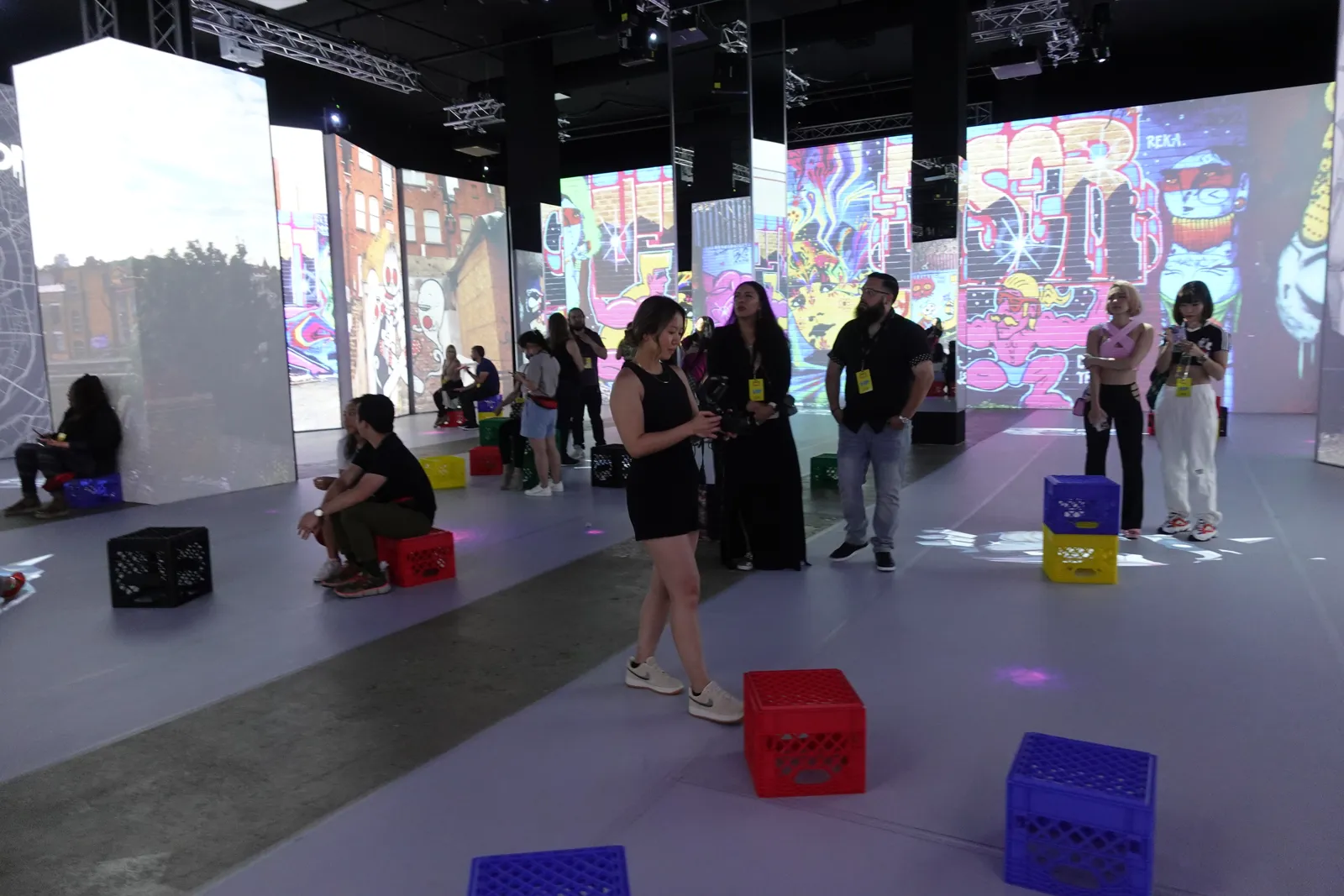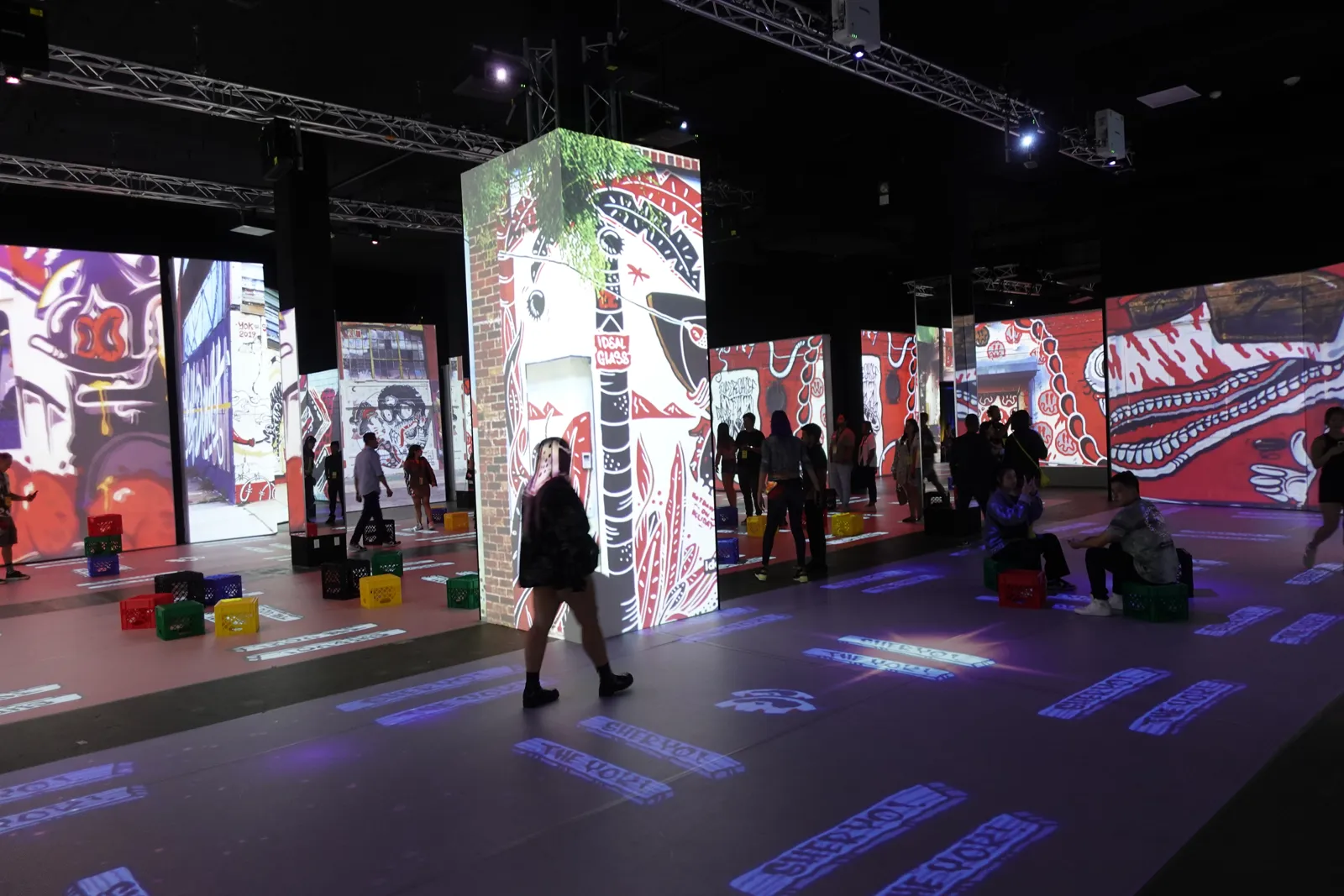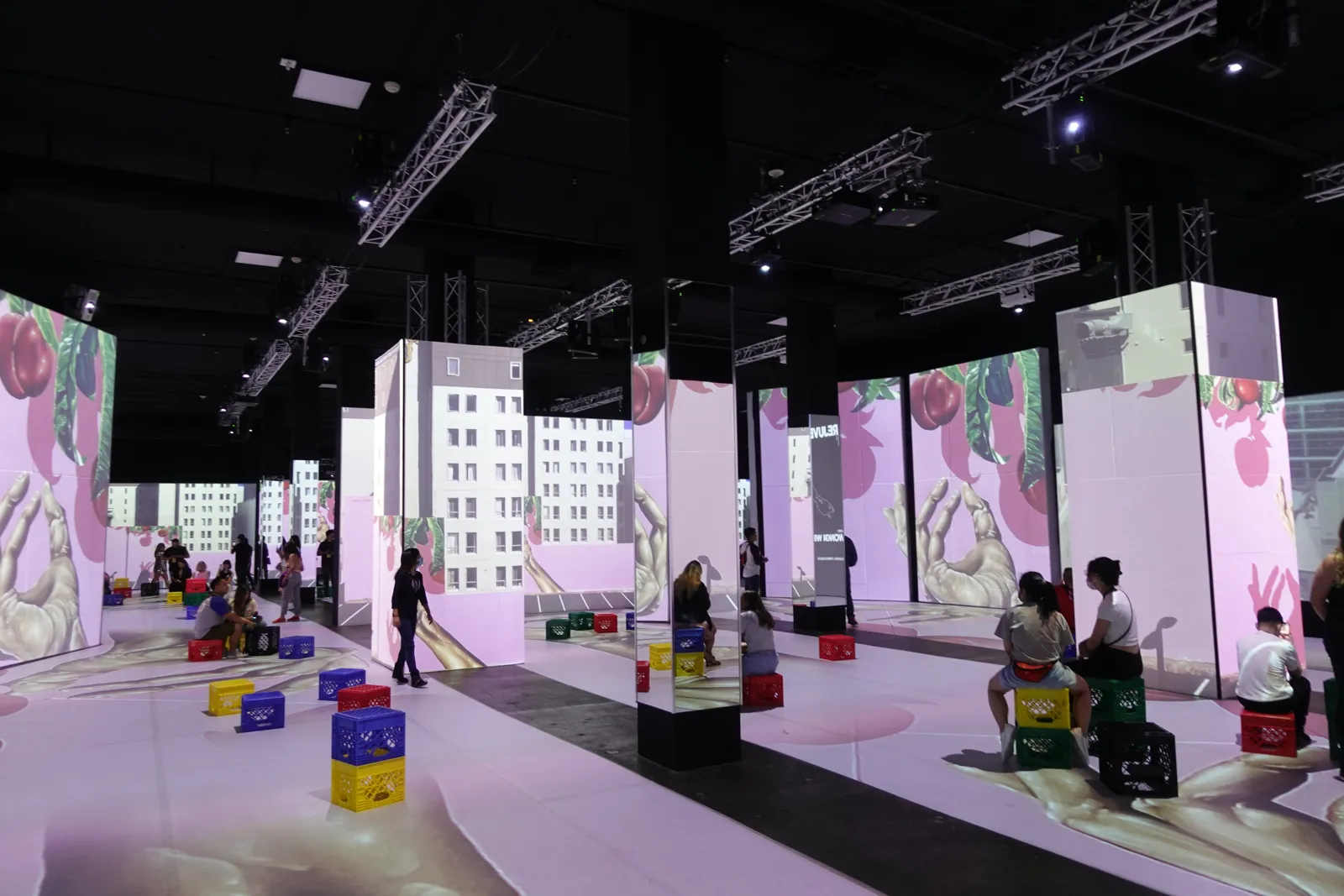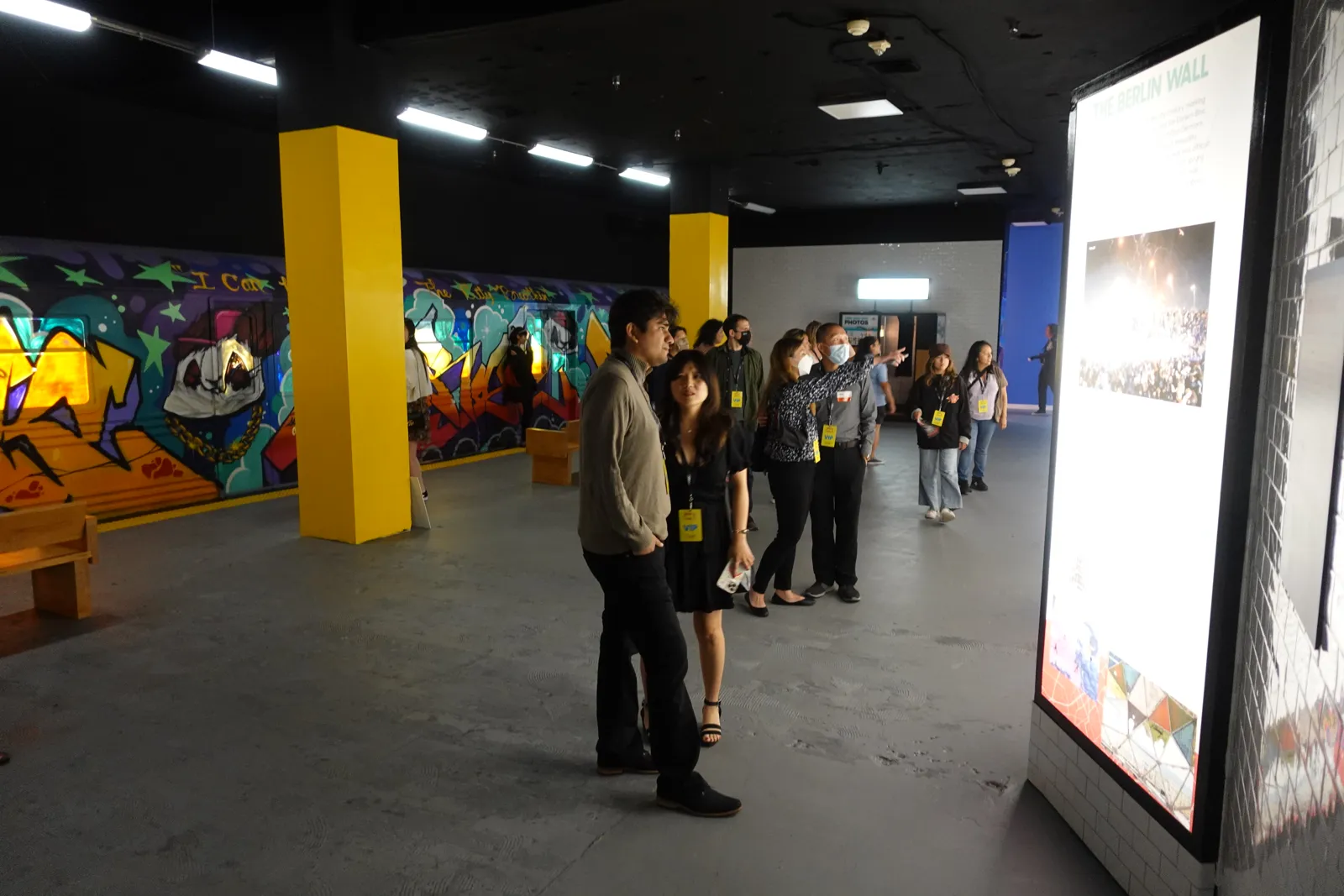
Guests form their view of an event in the first ten minutes, long before the first toast. They decide whether the night is well run while they look for parking, search for the right door, wait at a coat check and stand in a room with nothing in their hands.
That stretch belongs to the venue. The client chose the menu and the band, but the approach, the entrance and the first service are yours. Designing them on purpose is one of the cheapest ways to make every event feel better.
What Makes a Good Guest Arrival Experience?
A good guest arrival experience gets each guest from the street to a drink and a familiar face without confusion or waiting. It starts with clear directions and parking, continues with a visible, well-lit entrance and a warm greeting, moves quickly through coats and check-in, and ends with a drink or a bite within minutes of entering the room. Every step has a staff member assigned, and the team has walked the route as a guest would.
Start at the Street
Arrival begins before the guest reaches your door. Think about what they see from the car or the sidewalk, especially after dark.
- A sign or marker visible from the street, lit at night
- Clear parking directions, with signs at the lot entrance and any overflow area
- A lit, unobstructed path from parking to the entrance
- A drop-off point for rideshare and shuttles, with a sign guests can find
Send the client a short arrival guide to share with guests, with the address, parking instructions and which entrance to use. Many arrival problems are solved before anyone leaves home.
If your venue has more than one entrance or shares a building, mark the event entrance clearly. A guest who tries two locked doors before finding the right one arrives annoyed.
Make the Entrance Obvious and Welcoming
The entrance should tell guests they are in the right place. A simple welcome sign with the event name, good lighting and a clear view inside do most of the work.
Put a person at the door. A greeter who says good evening, confirms the event and points the way turns an anonymous entrance into a welcome. For larger events, a second greeter inside directs guests to coats, check-in and the bar.
Plan the accessible route as carefully as the main one. If the step-free entrance is a side door or needs an elevator, mark it from the parking area, keep it open and staffed during arrival, and tell the client so guests who need it know before they come. A guest using a wheelchair should never have to find a side door alone.
Weather changes the plan. In rain or cold, guests should not queue outside. Have umbrellas for the walk from parking if you can, mats at the door and space indoors for a line.
Keep Coats and Check-In Moving
Coat check and check-in are where arrival stalls. Place them so guests reach them in a natural order without crossing each other's paths, and staff them for the busiest fifteen minutes of arrival.
A coat check with one attendant can back up quickly when a large group arrives together. Plan staffing on the expected peak, use numbered tags and racks with clear numbering, and keep the line away from the entrance. If the event uses a guest list or tickets, staff check-in for the arrival peak and handle problems at a separate spot.
Put Something in Every Hand Quickly
The moment a guest enters the room, they look for a drink, a familiar face or something to do. A room with a long bar line and no food feels slow, even if everything else went well.
Plan first service for the arrival window. Passed drinks or a welcome drink station near the entrance, water and a non-alcoholic welcome drink available right away, and passed appetizers within the first few minutes give guests something to hold and a reason to relax. Open a second bar station for the first half hour if the main bar is likely to back up.
Music, lighting and the room layout matter too. A room set with clear paths to the bar and seating, and music already playing at the right volume, feels ready for guests.
Staff Arrival as Its Own Shift
Arrival needs more people than the middle of the event. Greeters, coat check, check-in and first-round bartenders all peak in the same half hour.
Plan arrival staffing separately from dinner service. Assign each person a specific position and start them before the first guest is expected. Brief them on the event name, the client contact, the restrooms, the coat check and where to send questions, since guests ask all of those in the first minutes.
Run a Guest Walkthrough With the Team
Once a quarter, walk the arrival route with your team as if you were guests. Start at the street, park in the lot, find the entrance, check a coat and get to the bar. Do it once in daylight and once after dark.
Note every moment of doubt, such as where someone hesitated, looked for a sign or waited, which door was confusing and where the path was dark. Fix the three biggest problems before your next large event, and walk the route again to check them.
Make Arrival Part of Every Event Plan
Add an arrival section to every event plan, with the expected arrival window, the entrance and parking plan, coat and check-in staffing and the first service. Review it in the pre-event meeting with the client. When arrival is planned like the rest of the event, guests feel the difference before they reach the bar.