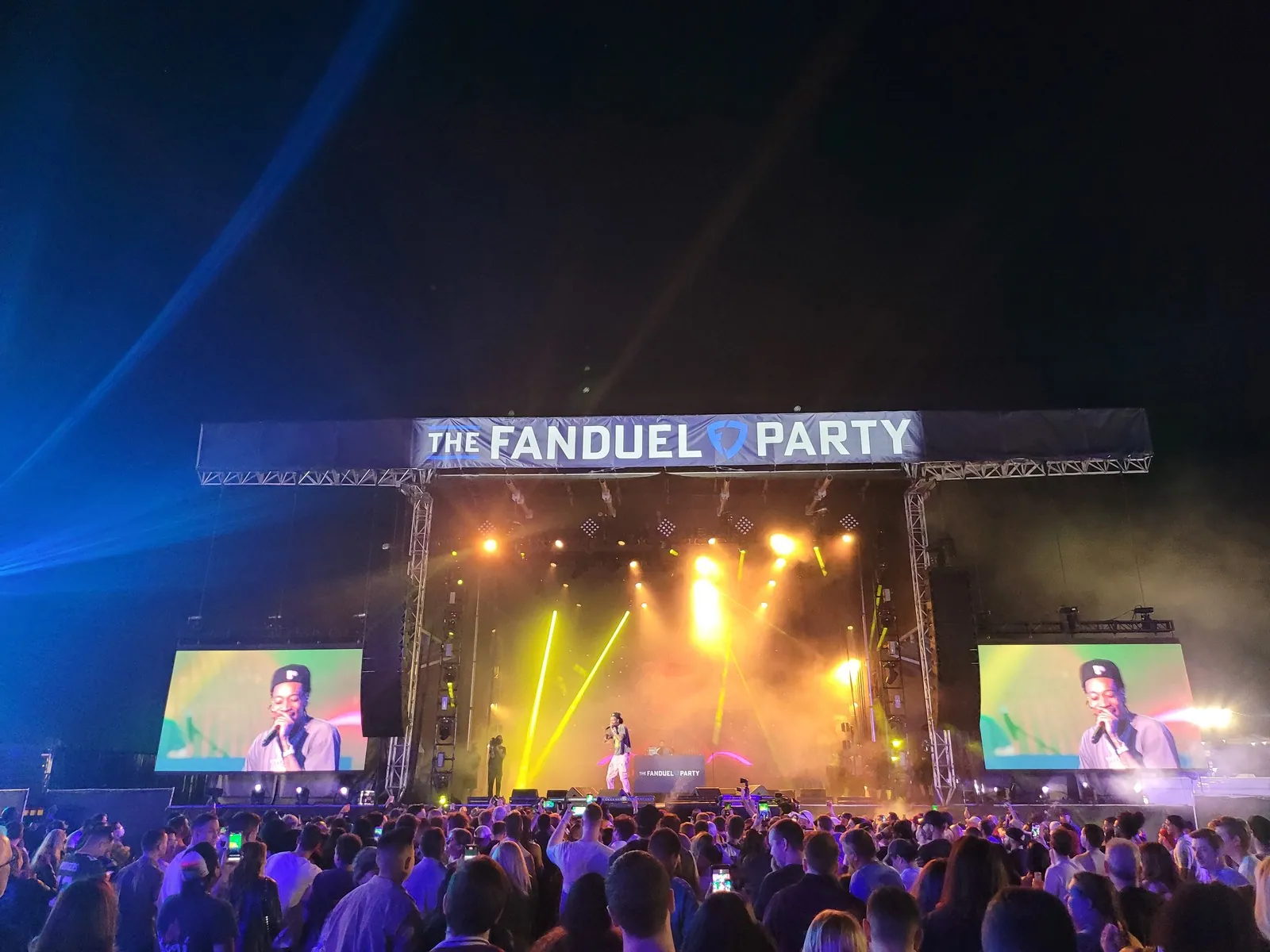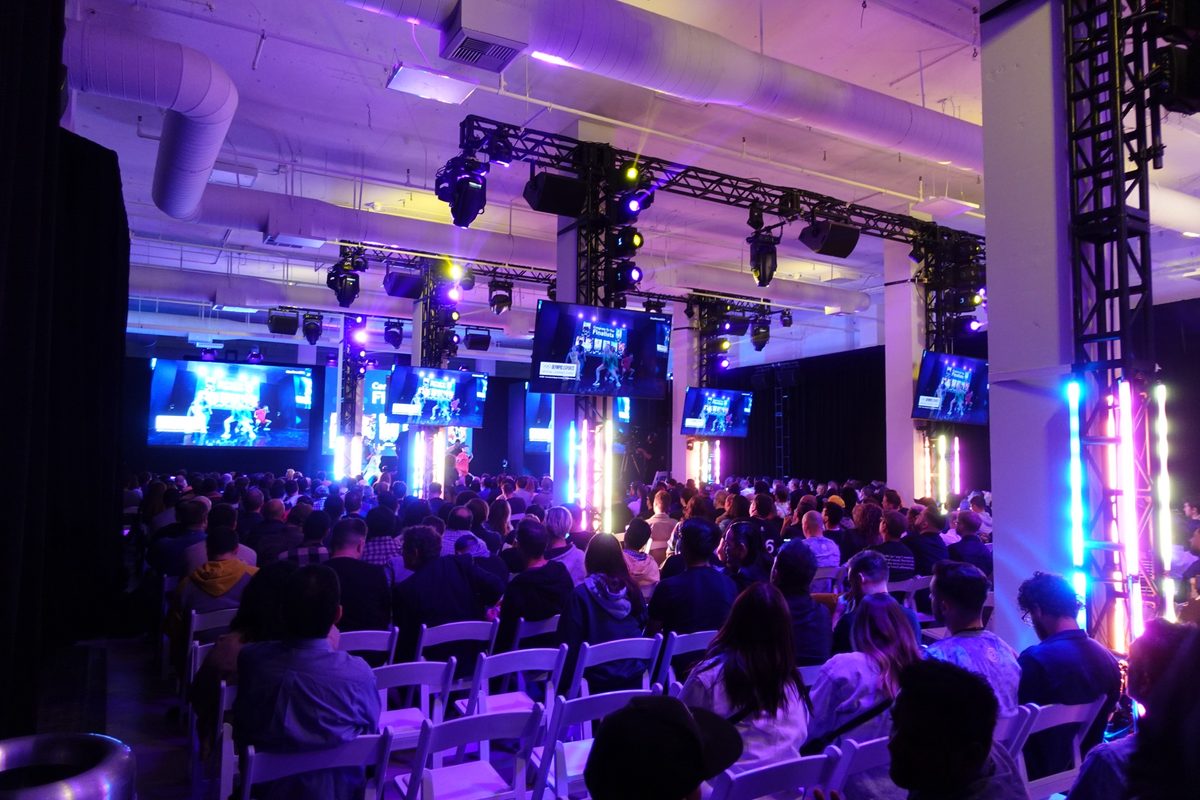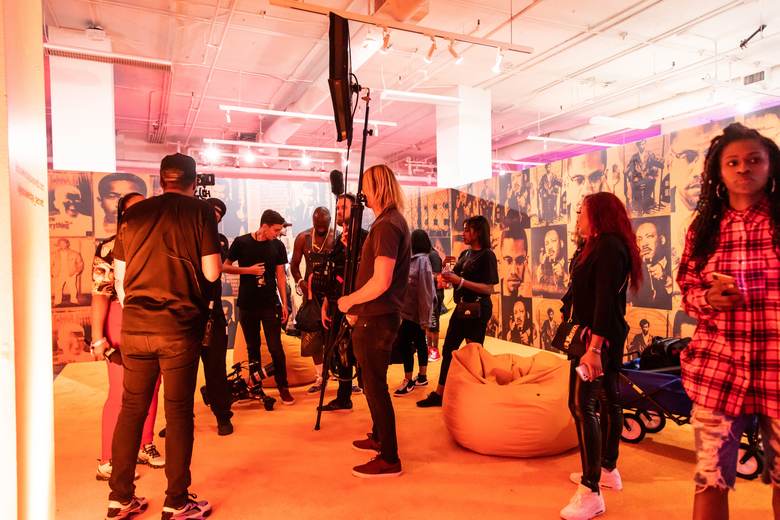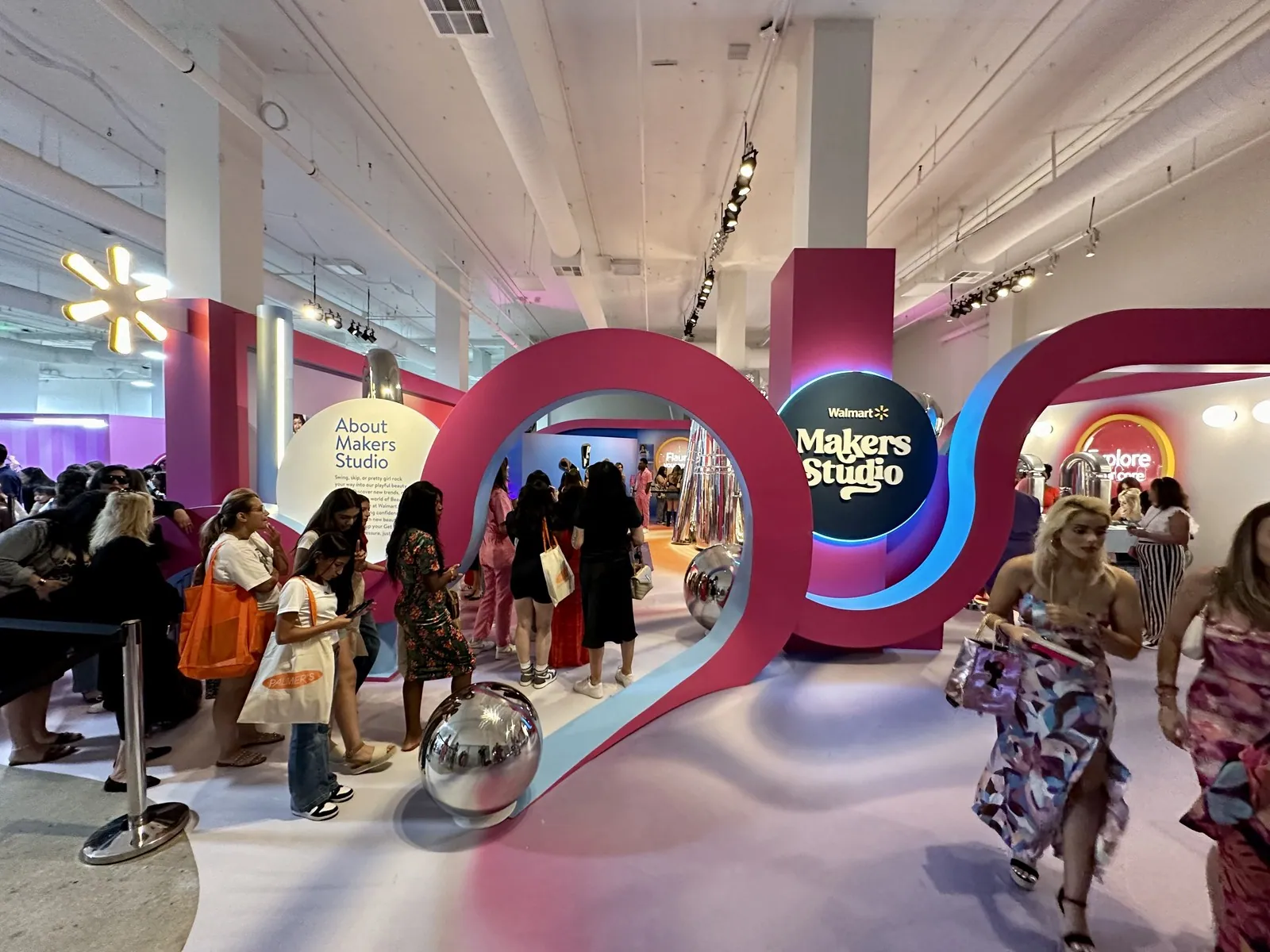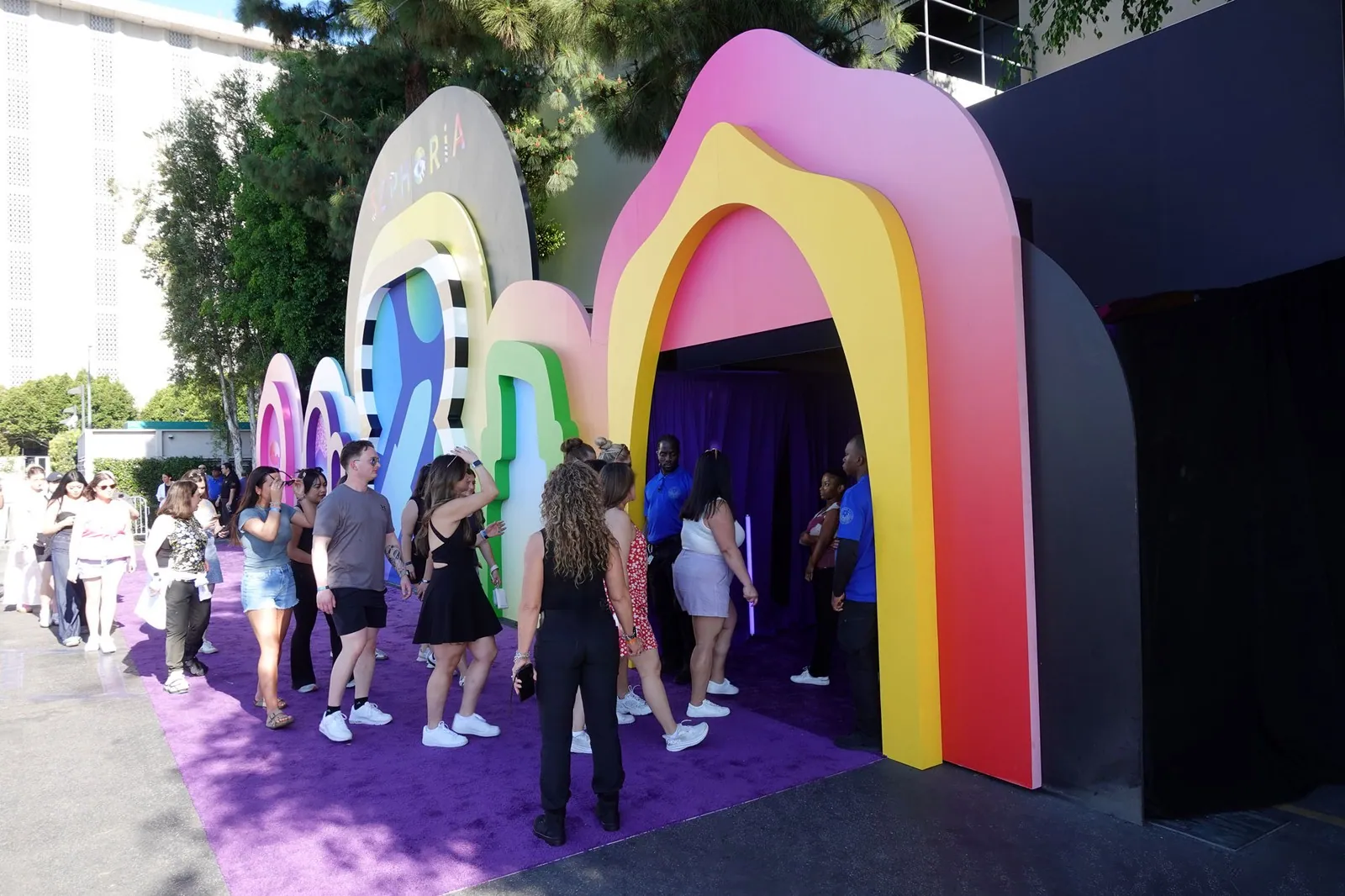

Running two events back-to-back, or even simultaneously in separate rooms, is one of the highest-leverage things an independent venue can do. It’s also one of the easiest ways to create a disaster if you don’t have a system for it. The difference between a smooth multi-event day and a chaotic one usually comes down to planning that happens 72 hours before, not 72 minutes before.
Start With a Buffer That Isn’t Optional
The most common mistake venues make when booking multiple events in a day is underestimating turnaround time. Operators look at a 6-hour wedding and a 3-hour corporate dinner and think: book them back-to-back with an hour gap. Then the wedding runs 45 minutes long, the catering crew needs 30 minutes to break down, and suddenly your next client is standing in the lobby watching the chaos.
Build your turnaround time based on your slowest event type, not your fastest. If a typical wedding reception takes 90 minutes to fully turn over (including removing personal décor, resetting linens, restocking the bar, and doing a quick clean), then 90 minutes is your minimum buffer for any event pairing that includes a wedding. Corporate events may turn faster, but don’t let that compress your standard. Put the buffer in the contract and hold it firm.
Assign a Point Person to Each Event
On a single-event day, everyone on your team more or less knows what’s happening. On a multi-event day, that ambient awareness disappears. If you have two events running, you need two leads, one human who is responsible for each event’s experience from the client’s perspective.
This doesn’t mean you need twice the staff for every role. A single bartender can often cover two adjacent events at different stages. But the person fielding client questions, managing vendor check-ins, and handling anything unexpected should be dedicated per event. When a DJ has a technical issue at Event A, your lead for Event A handles it. The lead for Event B doesn’t even need to know it happened.
Brief both leads together before the day starts. Walk the full schedule, flag every overlap point, and agree on how you’ll communicate if something bleeds from one event into the other’s timeline.
Create a Master Day-Of Timeline
A multi-event day needs one document that shows every movement in the building across both events, merged into a single chronological view. Not two separate run-of-shows, one master schedule with both events visible side by side.
This document should show: vendor arrival windows, setup completion deadlines, event start and end times, buffer periods, and which spaces are active when. Color-code by event. Print physical copies and post them in your prep kitchen, your venue office, and anywhere staff congregate between tasks. If something changes during the day, the person who knows updates the master timeline and tells the leads verbally. Don’t rely on people checking their phones.
The master timeline also tells you immediately if you’ve overbooked your load-in dock, your parking, or your restrooms at a given hour. These collisions are invisible when you’re looking at two separate booking calendars and obvious when you merge them.
Manage Shared Spaces Like a Resource, Not an Afterthought
Multi-event days create competition for shared infrastructure: parking lots, restrooms, lobbies, prep kitchens, and loading areas. If both events need the prep kitchen between 3pm and 4pm, that’s not a coincidence, that’s a conflict you need to resolve before the day begins.
Go through your venue layout and identify every resource that both events will need at overlapping times. For each one, decide in advance who gets priority and communicate that to both clients and both catering teams. Some things can be staggered with minor schedule adjustments. Others need a conversation with the client about expectations.
Pay special attention to your venue’s exterior. If both events have guests arriving within the same 30-minute window, your parking situation is about to become your biggest problem. Consider whether you need a staff member outside to direct traffic, whether you need to designate separate entrances, and whether your signage is clear enough that guests don’t accidentally wander into the wrong event.
Set Client Expectations Before the Day
Clients booking at a shared venue generally understand that other events happen there. What they don’t expect, and what creates most of the friction, is learning about it on the day itself. If your client is going to hear another event’s music through the wall, they should know that in advance. If their caterer needs to share a kitchen with another crew, both caterers need to know before they show up.
Your booking confirmation and venue welcome packet should include a clear note about how multi-event days work at your venue: what’s shared, what’s private, how you manage turnovers, and who to talk to if there’s an issue. Clients who are informed in advance are forgiving when minor things happen. Clients who are surprised feel like they were deceived.
The day before a multi-event booking, send both clients a short confirmation that recaps their timeline and briefly mentions that the venue is hosting another event. Keep it matter-of-fact. It’s not a problem, it’s just logistics, and you’ve handled it.
Closing Thought
A multi-event day isn’t harder than a single event day, it’s just less forgiving of gaps in your system. The venues that run them well do so because they’ve documented their process, assign clear ownership, and plan collisions before they happen. The venues that struggle do so because they treat the second event as “just another booking” rather than a distinct operational responsibility.