One-on-one tours are the workhorse of venue sales, and they are slow. You spend 45 minutes with one prospect who may or may not have the budget, the date, or the authority to book. An open house flips that math. You stage the space once, fill the room with 30 or 40 qualified prospects, and let the venue sell itself to a crowd that is already in a buying mood.
The catch is that most open houses underperform because operators run them like a party. People wander in, eat the food, admire the lighting, and leave without anyone capturing their date or their budget. A good open house is engineered backward from the bookings you want out of it.
What Is an Event Venue Open House and Why Run One?
An event venue open house is a scheduled showcase where you invite multiple prospects, and often referral partners, to experience the fully staged space at once, with the goal of generating tours and bookings from a single afternoon or evening. Run well, one open house can produce as many qualified leads as a month of individual tours, because the room is dressed and prospects feed off each other's excitement.
The other reason to run one is efficiency. Your team sets up the venue, the catering, and the staffing a single time and works that investment across dozens of prospects. For an independent operator stretched thin, that matters.
Build the Open House Guest List First
The quality of your open house is decided by who walks through the door, so start with the invite list before you plan the menu. Pull from four sources.
- Warm inquiries who toured but never booked, or went quiet in the last 90 days
- Past clients who might book again or refer someone
- Event planners, photographers, and caterers who feed you referrals
- A small paid push on Instagram or in local wedding and corporate event groups
Aim for a room that is roughly two-thirds prospects and one-third referral partners. The partners add credibility and often become your best long-term lead source. Send the first invite three to four weeks out, a reminder one week out, and a final reminder the morning of. Require an RSVP so you can plan headcount and, more importantly, so you have a name and email tied to every attendee before they arrive.
Timing matters too. If you are planning one now, a date in January or early February catches couples who got engaged over the holidays and corporate planners setting the year's calendar.
Co-Host With Vendors to Cut Cost and Add Pull
The fastest way to make an open house pay for itself is to share it. A caterer wants to show off their food, a florist wants their arrangements seen, and a photographer wants portfolio shots in your space. Each of them has a client list they will gladly invite.
Bring on two or three complementary vendors as co-hosts. They contribute their product and their audience, you contribute the venue and the staging, and everyone walks away with leads. A reception for 40 people that would cost you $2,000 to cater on your own can often run a third of that when the food and flowers are donated in exchange for exposure. This is also how you start building the kind of preferred partner relationships that make every future event run smoother.
How to Stage Your Venue for an Open House
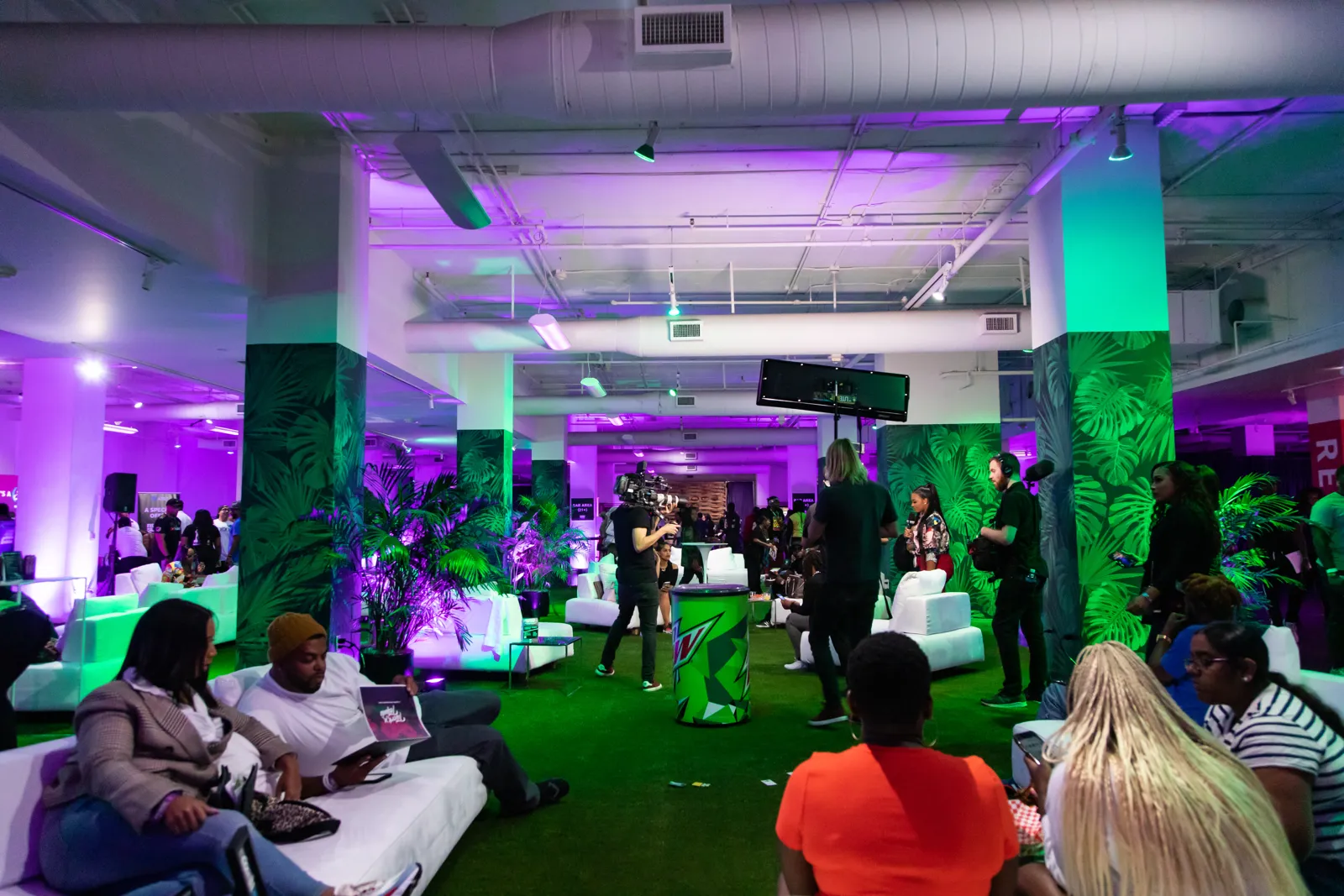
Prospects need to picture their own event in the room. Set up two or three distinct configurations so people can see the range of what the room can do, such as a ceremony layout in one corner, a seated dinner setup in another, and a cocktail-style lounge near the bar. Use real table settings, real linens, and the lighting you would run for a paying client.
Put signage on each setup that names the configuration, the guest count it serves, and the rough price band. A small card that reads "Seated dinner, 80 guests, packages from $4,500" answers the question every prospect is silently asking and pre-qualifies them before you ever speak.
Keep your team visible and ready to talk. Brief everyone on the talking points and the three discovery questions that matter most, which are the date they are considering, the kind of event, and the number of guests.
Capture Every Lead Before They Leave
This is where most open houses leak. People have a lovely time and disappear, and a week later you have nothing but a receipt for the catering. Build capture into the format itself.
- A sign-in at the door tied to a raffle that collects name, email, and event date
- A consultation table where prospects book a private tour on the spot
- A small incentive, such as a waived cleaning fee for tours booked that week
Logging those leads the same evening matters as much as collecting them. The energy of the open house fades fast, so the goal is to move every interested attendee from the room onto your calendar while the impression is still warm. Putting those tours straight onto the same calendar you book events from keeps a busy night from turning into a stack of cards nobody follows up on.
Follow Up With Open House Guests Within 48 Hours
The open house starts the sale. Send a personalized note within two days to everyone who attended. Reference the configuration they lingered on, attach two photos from the night, and propose a specific next step with a couple of time options.
Then run a real cadence on the prospects who did not book a tour at the event, with a check-in at two days, a value-add note at one week, and a soft deadline at two weeks. Open house leads tend to convert better than cold inquiries because they have already stood in your space, so the follow-up is worth doing with discipline.
How to Measure Open House ROI
Treat the open house like any other channel and track its return.
- Attendees compared with RSVPs, to tune your reminder cadence
- Tours booked at the event and in the following week
- Bookings closed from the attendee list within 90 days
- Total event cost divided by bookings closed, your true cost per acquisition
If an open house costs $1,500 all in and closes three bookings within 90 days, your cost per booking is $500, a figure many venues struggle to match with paid ads. A well-run open house also doubles as relationship-building time with the referral partners who keep your calendar full the rest of the year.
Put a Date on the Calendar
Pick a date eight to ten weeks out, line up two vendor co-hosts, and pull your list of warm inquiries from the last 90 days. An open house works because it puts a dressed room, a real crowd, and a clear next step in front of dozens of prospects at once, and the bookings come from the engineering behind the evening.