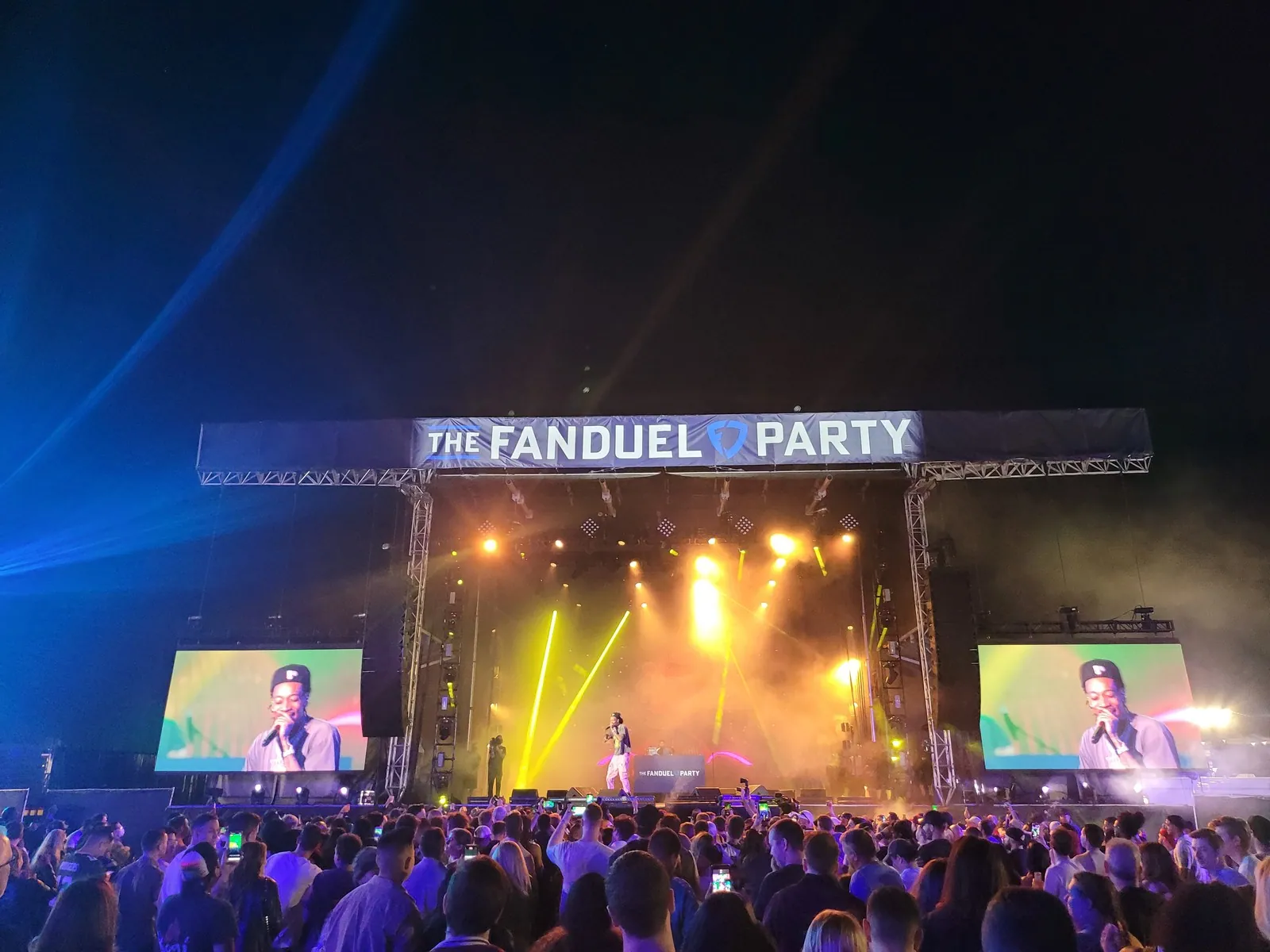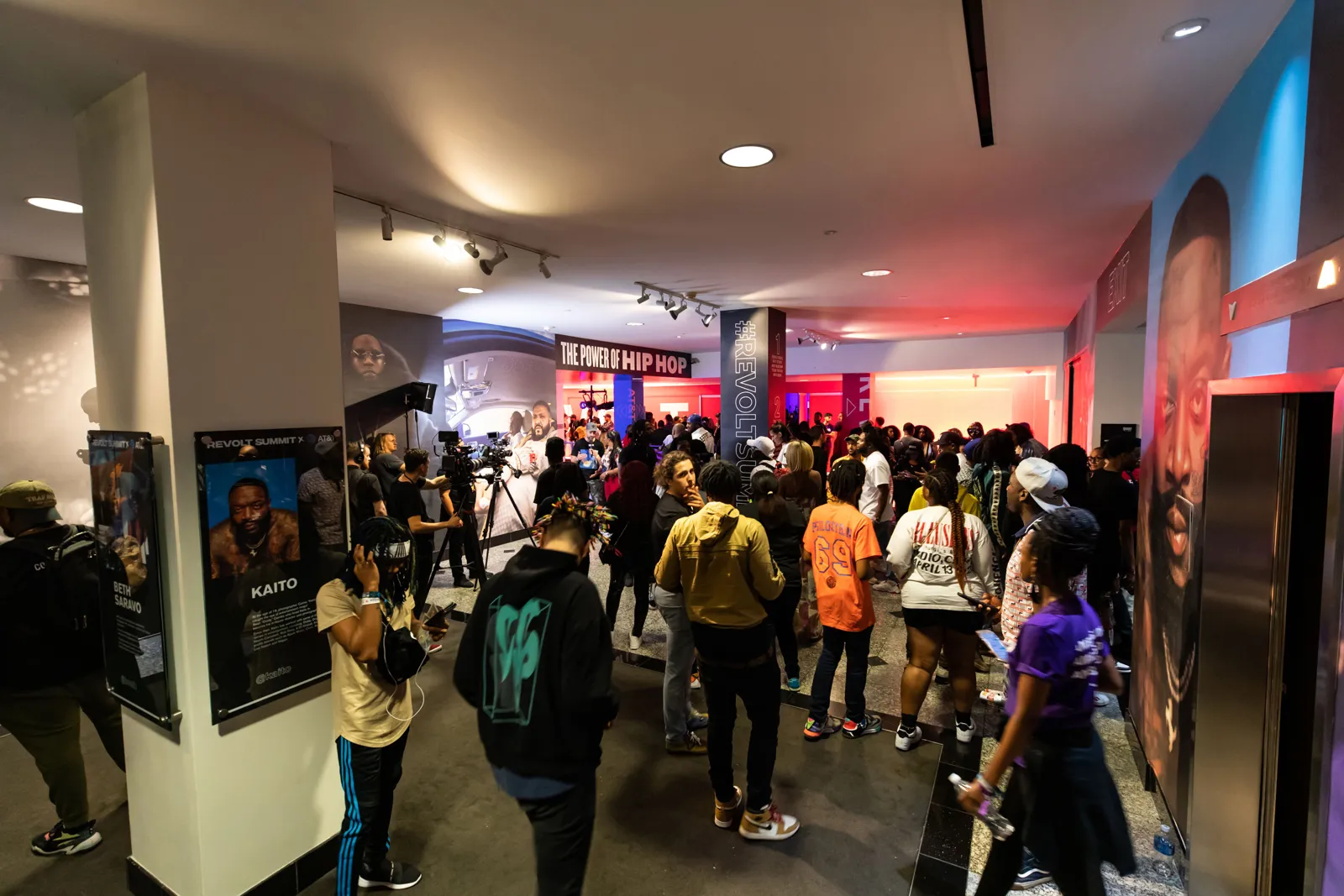
A wedding at your venue looks stunning, and the photographer sends a gallery that would fill your website for a year. Before any of those images appear in an ad or on social media, you need to know who agreed to what. The couple, the guests in the background and the photographer who took the pictures may all have a say.
Releases are simple once you separate three questions. Who appears in the image, who owns the photo, and how you plan to use it.
When Does a Venue Need a Photo Release Form for Events?
A venue generally needs a photo release form for events when it wants to use an identifiable person's image to promote its business, such as on its website, in ads or on social media. Laws on using someone's likeness for commercial purposes vary by state and country, and written consent is the clearest protection. Images of an empty room or decor without recognizable people usually raise fewer issues, though you still need the photographer's permission to use their work.
Who Is in the Photo, and Who Owns It
These are separate rights. A guest's consent lets you use their likeness. The photographer's license lets you use the photograph.
In most cases the photographer owns the copyright in the images they take, even when the client paid for the shoot. A venue that wants to post a wedding photographer's work needs that photographer's permission, usually with a photo credit. Many photographers are happy to grant it, but it should be in writing.
When your own staff or a photographer you hire takes the pictures, your contract with them should say who owns the images and what you may do with them.
Signs Versus Signed Forms
Venues use two main tools for consent, and they do different jobs.
A posted notice at the entrance, such as "Photography and filming are taking place at this event, and images may be used by the venue and organizer," tells guests what to expect. It suits public and ticketed events where collecting individual forms is impractical, and it gives guests a chance to tell staff they prefer not to be photographed.
A signed release is stronger. It records that a specific person agreed to specific uses. Use one for anyone featured prominently in marketing, for testimonials, for staff in ads and for any image of a minor, which should be signed by a parent or guardian.
What the Release Should Cover
A good release is short and specific. It tells the person what they are agreeing to in plain language.
- The event name, date and location
- What images are covered, photos, video or both
- How the venue may use them, such as website, social media and print
- How long the permission lasts and whether it can be withdrawn
- Signature, printed name, date and guardian signature for minors
Avoid vague language that reads as if the person is giving up every right forever. Clear limits make people more willing to sign.
Sample Release Wording
Adapt this wording with your attorney, since requirements differ by location.
"I give The Foundry and its staff permission to photograph and record me at the event named above, and to use those images in the venue's website, social media, printed materials and advertising without payment to me. I understand the venue owns the images it takes, and I may ask in writing that my image not be used in future materials."
For a client's event, add a clause to the rental agreement. "The client agrees that the venue may photograph the event space before and during the event for its own marketing, and will inform guests that photography may occur. The venue will not publish images that show identifiable guests without consent."
For a photographer, a short license works. "The photographer grants the venue a non-exclusive license to use selected images from this event on its website and social media, with credit to the photographer."
Handling Requests to Remove an Image
Even with permission, some guests later ask you to take a photo down. Most venues remove it promptly, since one image is rarely worth a complaint. Keep a simple process so whoever runs your social accounts knows what to do.
Record the request, remove the image from your channels and note it in the file so it is not posted again. If the image appears in print that has already gone out, explain that it will not be used in future runs.
Set Up Your Release Process This Month
Write three short documents with your attorney (a guest release, a rental agreement photo clause and a photographer license) and store them where your sales and marketing staff can find them. Add the rental clause to your standard contract, print an entrance notice for public events, and ask your favorite photographers to sign the license once so it covers every future event.
Images you have permission to use are the only images worth having.
Frequently Asked Questions
Do I need a release to post photos of guests at my venue?
If the guests are identifiable and the post promotes your business, a release or clear consent is the safest approach. Laws vary by state and country, and social media posts can count as promotion. When in doubt, ask for permission or use images where guests cannot be identified.
Is a sign at the door enough for photo consent?
A sign gives notice and may be acceptable for some public events, depending on local law. It is weaker than a signed release, especially for prominent marketing use or minors. Use signs for general coverage and signed forms for featured individuals.
Can I use a wedding photographer's photos of my venue?
Only with the photographer's permission, because they usually own the copyright. Ask for a written license and offer a photo credit. The couple's consent covers their likeness, while the photographer's license covers the photograph.
Do photo releases need to be notarized?
Generally no, a signed and dated release is typical. Some uses, such as paid national advertising, may call for more formal agreements. Ask your attorney what fits the way you plan to use the images.