A location scout calls on a Tuesday asking whether your space is free for a two-day commercial shoot in three weeks. Many venue operators have no idea what to charge, quote their wedding rate, and either scare the production away or leave thousands of dollars on the table. A few say yes without asking about insurance and spend the next month repairing scuffed floors.
Film, TV and photo shoots fit event venues with character very well. They book weekdays, they often pay more for a day than a typical event would on the same date, and the crew is gone by evening or by the end of the week. Getting them right depends on being easy to find, quoting the way productions buy, and protecting the space.
How Do You Rent Your Venue for Photo Shoots and Film Productions?
To rent your venue for photo shoots and film productions, build a location profile with wide photos and practical details, list it where scouts search, and quote day rates for shoot, prep and wrap days instead of an event rental fee. Require a certificate of insurance and any city film permit from the production, sign a written location agreement, and keep a venue rep on-site throughout.
Where Location Scouts Find Venues
Productions find locations through a few channels, and a venue that shows up in two or three of them gets steady inquiries.
- Online location marketplaces where photographers and producers book spaces by the hour or day
- Location databases kept by many regional film commissions and film offices
- Location scouts and managers who keep their own files of reliable spaces
- Photographers and content teams who saw your venue at an event or on social media
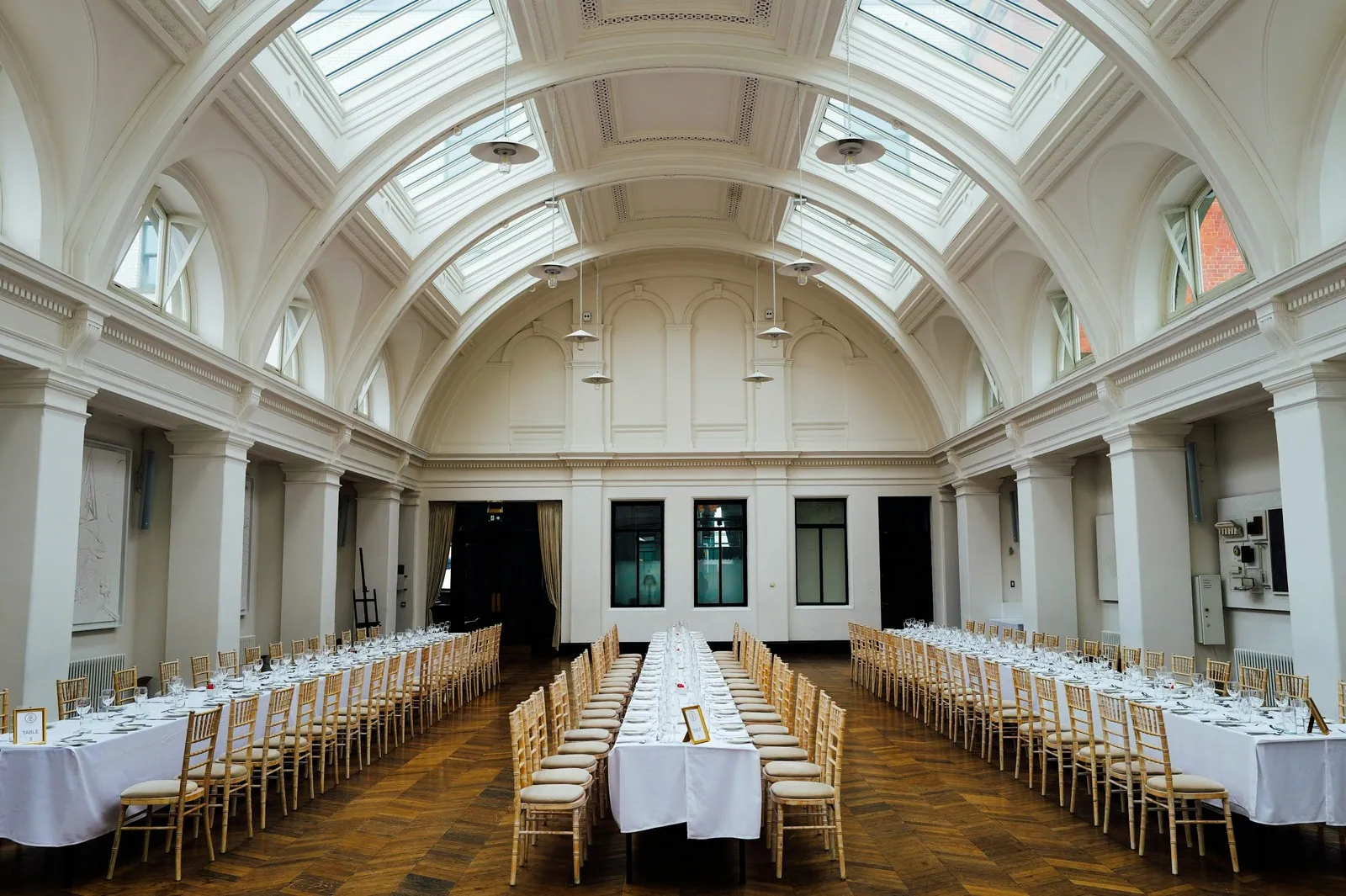
Your location profile matters more than your event listing here. Scouts want wide shots of every room, the light at different times of day, ceiling heights, power, parking for trucks, and a sense of how many looks the venue can deliver. A building with a lobby, a raw industrial room and a rooftop offers three locations to one production, and scouts notice that.
Once a scout has a good experience, they will bring you back for other projects. Keep a short list of the scouts and location managers who have worked with you, and send them a note when you renovate or open a new space.
How Much Should You Charge for a Photo or Film Shoot?
Production budgets work in day rates, and your quote should too. Rates vary widely by market, by the size of the production and by how much of the venue it needs, but these ranges are common for independent venues.
- Small photo and content shoots often pay $75 to $300 an hour with a two to four hour minimum
- Larger commercial photo shoots commonly pay $1,500 to $5,000 for a full day
- Commercial and TV filming days often land between $3,000 and $10,000, and higher in major production cities
- Prep and wrap days commonly bill at 50 to 75 percent of the shoot day rate
- A hold fee, often 10 to 25 percent of the rate, reserves a date before the production confirms
Define the day in writing. A shoot day is commonly 10 to 12 hours including setup and breakdown, with hourly overtime after that. List separate charges for venue staff, power tie-ins, extra cleaning, truck parking and any rooms the crew uses for holding or catering.
Then audit your calendar. Pull the last 90 days and count the weekdays with no booking at all. If you had 30 empty weekdays and shoots filled just six of them at $3,500, that is $21,000 your calendar was giving away.
Film Permits, Insurance and the Location Agreement
Many cities and counties require a film permit for commercial productions, even on private property, and some require neighbor notification or fire safety staff for larger shoots. The production normally obtains the permit, but the address on it is yours, so ask to see a copy. Rules vary by city and state, and your local film office can tell you what applies.
Require a certificate of insurance naming your venue as an additional insured before anyone loads in. Many venues ask for general liability of at least $1 million per occurrence plus coverage for damage to the property, and your own insurer can tell you which limits make sense for your space.
Most productions arrive with their own location agreement, which grants the right to film and depict the property. Read it closely or have your attorney review it. Pay attention to the dates and hours, the restoration and damage terms, whether your venue can be named or identified on screen, and the payment schedule. Ask for the location fee in advance, or at minimum the hold fee and a damage deposit.
How to Protect Your Venue During a Shoot
A crew of 40 moving carts, stands and lights through your building will find every vulnerable surface, and prevention costs far less than repair.
Walk the space with the production's location manager before load-in and take dated photos of every area they will use. Require floor protection in work areas and padding on door frames and corners. Mark the rooms that are off limits, the fixtures that cannot move, and where the crew can eat, smoke and park.
Keep a venue rep on-site for every hour the crew is there, billed to the production at an hourly rate. That person answers questions, opens locked doors and catches problems before they become damage. A refundable damage deposit sized to the shoot gives you a cushion if something goes wrong anyway.
Put every shoot on the same calendar as your events, so an event team never arrives to set a room full of lighting gear. In ShoSoft, a shoot books like any other event, with its own contract, invoice and payments.
Build Your Location Profile This Week
Pull or shoot wide photos of every space, write down your power, ceiling heights and truck parking, and set a shoot day rate with prep, wrap and hold fees. Then list the venue with your regional film office and one location marketplace. Productions are always looking for somewhere new, and a venue that is easy to work with gets the next call.