
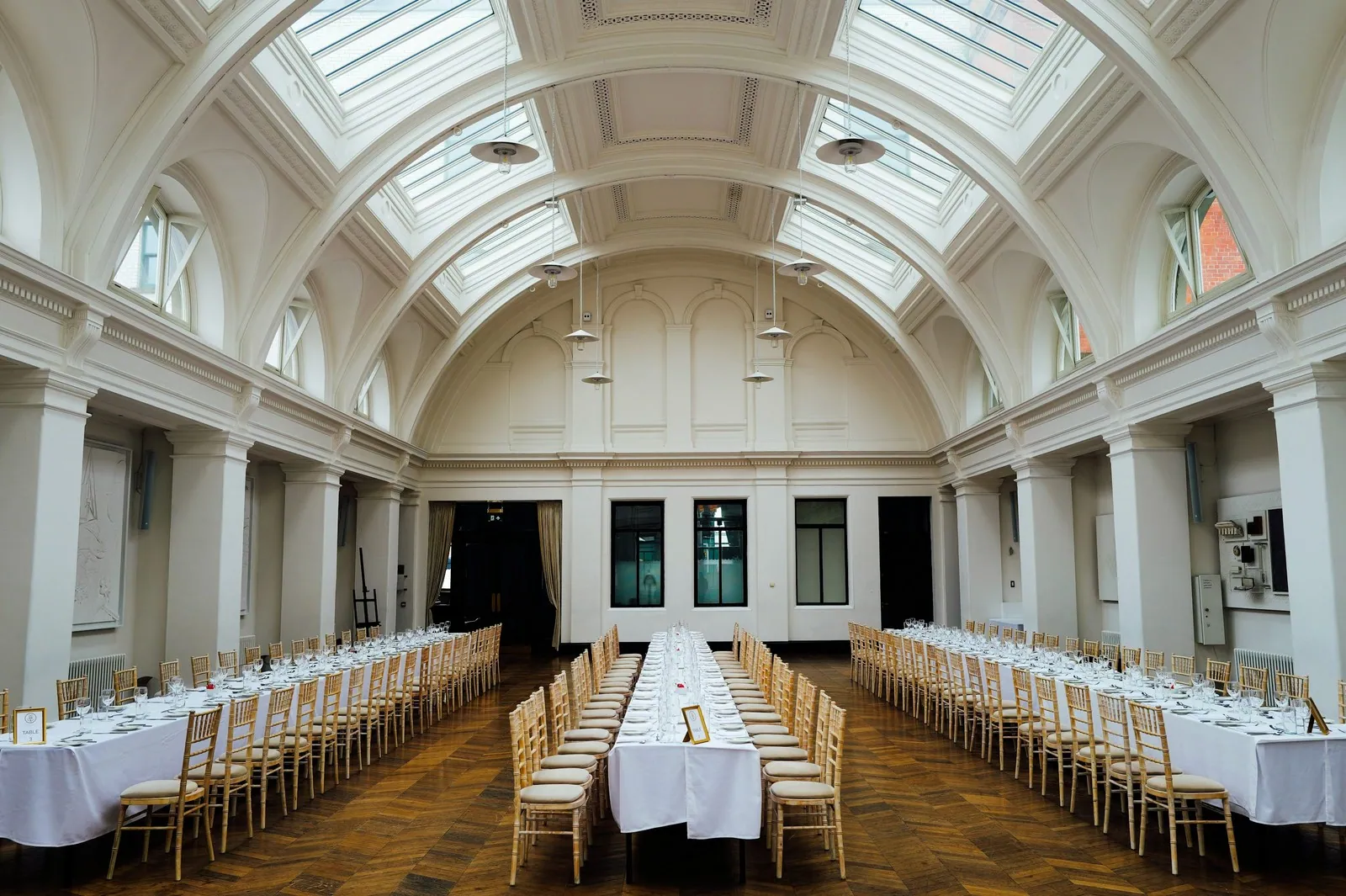
A lunch wedding ends at 2:00. A corporate dinner starts at 6:00. In between, your team has four hours to strip the room down to bare walls and rebuild it into something that looks like it was set up just for the second client. Done well, that single day earns you two full bookings instead of one. Done badly, the dinner guests walk into a room that still smells like the afternoon’s flowers and your staff is hiding rental crates behind a curtain.
Same-day turnover is one of the highest-leverage moves an independent venue can make, because it doubles the revenue you pull from a fixed asset on your busiest dates. The catch is that it only works if the flip is choreographed, not improvised.
What Is a Same-Day Venue Turnover?
A same-day venue turnover, sometimes called a flip, is the process of fully resetting your space between two events booked on the same date. It covers breakdown of the first event, a complete clean, and full setup for the second, all inside a fixed window.
The reason it is hard is that a turnover compresses three jobs into the gap that usually holds one. You are not just cleaning. You are running load-out for one client and load-in for another at the same time, often with the same crew. The whole thing lives or dies on sequence and on protecting enough time to do it without cutting corners the second client will notice.
Decide Whether the Day Is Even Flippable
Before you sell a same-day double-booking, run the math on whether the turnover window is realistic. The worst version of this is promising a second client a 6:00 start when an honest flip needs five hours and you have given yourself three.
Calculate your true turnover time once, on a normal event, and write it down:
- How long does a full breakdown of a seated dinner actually take your crew?
- How long for a deep clean of floors, restrooms, and surfaces?
- How long for a complete setup, including linens, AV, and a final walkthrough?
Add those up, add a buffer, and that number is your minimum gap. If the two events you are about to book do not leave that gap, you either price the rush in, bring on extra hands, or you do not take the second event. Centertech holds a real turnover standard partly because the team can see both bookings and the gap between them in one calendar view, which makes the go or no-go call obvious instead of optimistic.
Sequence the Flip in Three Overlapping Waves
A fast turnover is not one job done in order, it is three jobs run in overlapping waves so crews are never standing idle. The trick is to start setup tasks in cleared zones while breakdown is still finishing elsewhere.
Run the flip in waves:
- Wave one, strip: pull all soft goods, dishware, decor, and the first client’s rentals into a staging area. Get vendors loaded out fast so the dock is clear.
- Wave two, clean: as each zone empties, a cleaning crew moves through it immediately rather than waiting for the whole room.
- Wave three, build: setup begins in the first cleaned zone while cleaning is still finishing the last one.
The point is that no crew waits for the previous job to fully finish. By the time breakdown clears the back of the room, the front is already being set for the next event. That overlap is where the hours come back.
Assign a Crew Choreography, Not a To-Do List
A turnover crew needs roles, not a shared list everyone picks from, because a shared list means three people grab the easy task and nobody touches the loading dock. Choreography means each person knows their lane before the flip starts.
A clean role split for a small crew:
- A strip lead who owns breakdown and getting the first event’s vendors loaded out
- A clean lead who owns floors, restrooms, and surfaces, moving zone by zone
- A build lead who owns setup for the incoming event and the final walkthrough
- A floater who fills the bottleneck, which is usually load-out in the first hour and setup in the last
Brief the crew on the sequence before anyone touches a chair. Two minutes of “here is the order and here is your lane” saves twenty minutes of collisions and re-work.
Protect the Buffer and the Handoff
The gap between two events is not just turnover time, it has to absorb the first event running long and the second event arriving early. Both happen constantly, and a flip with no buffer turns one delay into a ruined second event.
Two protections matter most:
- Build a hard buffer into the schedule, not a hopeful one. If the flip needs four hours, do not start it three and a half hours before doors because the first event “should” end on time.
- Manage the first event’s exit actively. The single biggest threat to a same-day flip is the first client lingering. Set a firm end time in the contract, communicate it warmly during the event, and have a plan for moving guests out on time.
Then plan the handoff to the incoming client. Their vendors and their point of contact will want access the moment the room is ready, sometimes before. Decide in advance where they wait, who greets them, and when they are cleared to load in, so two crews are not fighting over the same dock.
Turn One Day Into Two Bookings, Profitably
Same-day turnover only makes sense if the second booking earns more than the cost of pulling it off. Run that number deliberately so you are flipping for margin, not just for activity.
A few ways to make the flip pay:
- Charge a turnover or rush fee on tight same-day windows. The convenience is real and clients understand paying for it.
- Standardize your fastest-to-set layouts and steer same-day second bookings toward them.
- Track which turnovers ran clean and which ran late, and use that history to quote the next one honestly.
When you can see both bookings, the gap between them, and the crew assigned to the flip in one place, the double-booking stops being a gamble. Magic Box runs same-week and same-day events out of one shared system, which is a real part of how that team saves ten to fifteen hours a week and still says yes to the second event.
Closing thought
A venue that can flip cleanly sells the same room twice on the days that matter most. The asset does not get bigger, but the revenue it throws off on a Saturday does.